
From Bitcoin to XRP: A Guide to Key Cryptocurrency Terms and Their Meanings
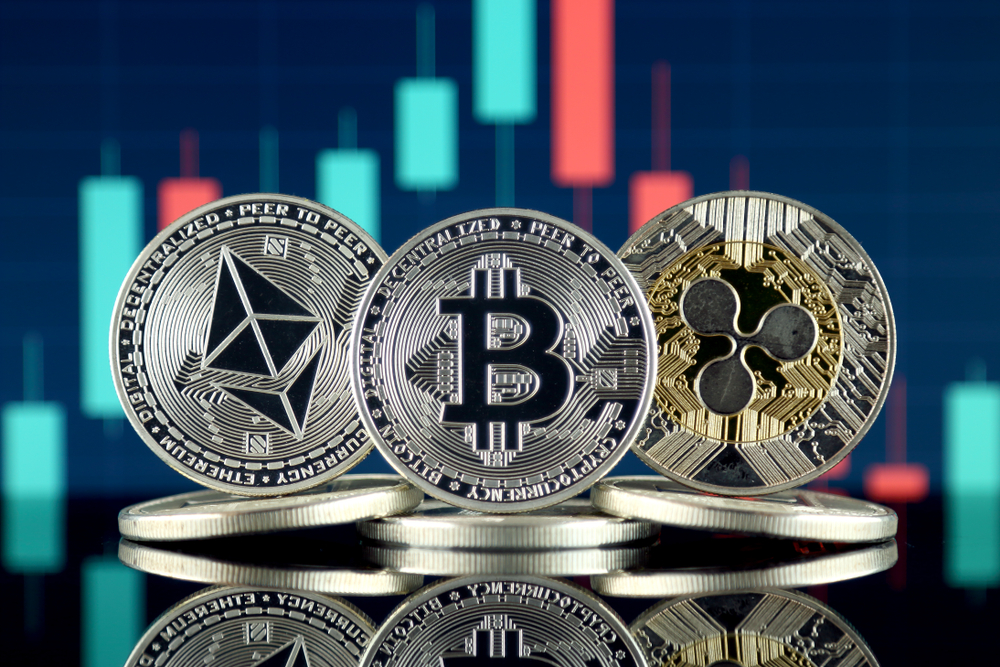
The cryptocurrency market is often filled with terms that can confuse newcomers and seasoned investors alike. With Bitcoin’s price reaching new highs in November, the buzz around cryptocurrencies has surged once again. From blockchain technology to ETFs, here’s a breakdown of some key cryptocurrency terms to help you navigate the digital finance world.
Bitcoin
Bitcoin, the most famous cryptocurrency, is a digital form of currency that operates outside of traditional financial systems. It is decentralized, meaning no central institution controls it. This characteristic makes it appealing to those seeking financial freedom, but also contributes to its volatility. In 2024, Bitcoin saw significant growth, especially after the US presidential election in November, nearing $100,000 in value, though it is often subject to sharp price fluctuations.
Bitcoin ‘Halving’
Bitcoin operates on a capped supply of 21 million coins, and approximately every four years, the reward for validating Bitcoin transactions (known as “mining”) is halved. This event, called “Bitcoin halving,” reduces the number of newly minted bitcoins and slows inflation, potentially increasing scarcity. The most recent halving occurred in April 2024, cutting miners’ rewards from 6.25 to 3.125 bitcoins per block, raising questions about mining profitability.
Blockchain
The technology behind most cryptocurrencies, including Bitcoin, is blockchain. It’s essentially a decentralized digital ledger, recording every cryptocurrency transaction across a network of computers. This process involves volunteers (miners) verifying transactions, with the first to validate rewarded in cryptocurrency. Although vital, mining consumes significant energy, leading to environmental concerns.
Crypto Exchange
A crypto exchange is a platform where users can buy, sell, and trade cryptocurrencies. Similar to stock brokers, these platforms allow people to exchange traditional money for digital currencies, with transaction fees typically involved.
Crypto Wallet
Crypto wallets store digital currencies. There are two types: hot wallets, which are connected to the internet and provide easy access for trading, and cold wallets, physical devices that store cryptocurrencies offline, offering more secure long-term storage.
Ethereum
Ethereum, the second-largest cryptocurrency by market capitalization, functions both as a cryptocurrency (Ether) and a blockchain platform supporting decentralized applications (dApps) and non-fungible tokens (NFTs). In 2022, Ethereum transitioned to a more eco-friendly system that consumes less energy.
Exchange-Traded Funds (ETFs)
ETFs allow investors to buy a basket of assets, such as stocks or commodities, without owning them directly. A spot Bitcoin ETF, for instance, buys Bitcoin at its current price, allowing investors like BlackRock and Fidelity to invest in Bitcoin without the complexity of crypto exchanges or wallets. In January 2024, the US approved several Bitcoin ETFs, marking a significant step in institutional adoption.
Stablecoins
Stablecoins are designed to have a stable value, usually pegged to traditional assets like the US dollar. They aim to reduce the volatility associated with cryptocurrencies like Bitcoin. However, their stability has been questioned, especially after the collapse of high-profile stablecoins, leading to increased regulatory scrutiny.
XRP
XRP is the cryptocurrency used on the XRP Ledger, a platform designed for fast, low-cost transactions. Created by Ripple Labs in 2012, XRP offers an alternative to Bitcoin by utilizing a consensus protocol rather than mining to verify transactions. This method allows faster processing speeds and lower costs, making XRP particularly appealing for financial institutions involved in cross-border payments. Despite its advantages, XRP has faced regulatory challenges and seen significant price fluctuations.
