Yazılar

G20 watchdog warns of “significant gaps” in global crypto regulation amid market surge

The Financial Stability Board (FSB), the G20’s top financial risk regulator, has warned that major gaps persist in global cryptocurrency regulation, raising concerns that unchecked growth in digital asset markets could pose risks to financial stability.

In its review published Thursday, the FSB said that while progress has been made since its 2023 recommendations, regulatory frameworks remain “fragmented, inconsistent, and insufficient” to address the cross-border nature of crypto markets. The watchdog found that financial stability risks from crypto are limited for now, but are rising sharply as the global crypto market has doubled to $4 trillion over the past year, driven by surging bitcoin prices and a wave of new investors.

“These crypto assets can move across borders very easily, much more easily than other financial assets,” said John Schindler, the FSB’s secretary general, calling for stronger global cooperation.

One of the key weaknesses identified was the lack of clear and comprehensive rules for stablecoins, digital tokens typically pegged to the U.S. dollar. The market for stablecoins has grown by nearly 75% over the past year, reaching $290 billion, yet few countries have introduced complete regulatory frameworks.

The report examined 29 jurisdictions — including the U.S., EU, Hong Kong, and the UK — but noted uneven implementation and limited coordination, especially with countries such as El Salvador, which did not participate despite being home to Tether, the world’s largest stablecoin.

The FSB urged governments to accelerate rule-making and improve cross-border cooperation, warning that non-aligned jurisdictions could create regulatory blind spots. “Even if countries have their own rules, crypto companies operating offshore can still affect their markets,” Schindler said.

The warning follows recent market turbulence, including the largest crypto crash in history last week that triggered nearly $20 billion in liquidations, reviving fears of contagion risks.

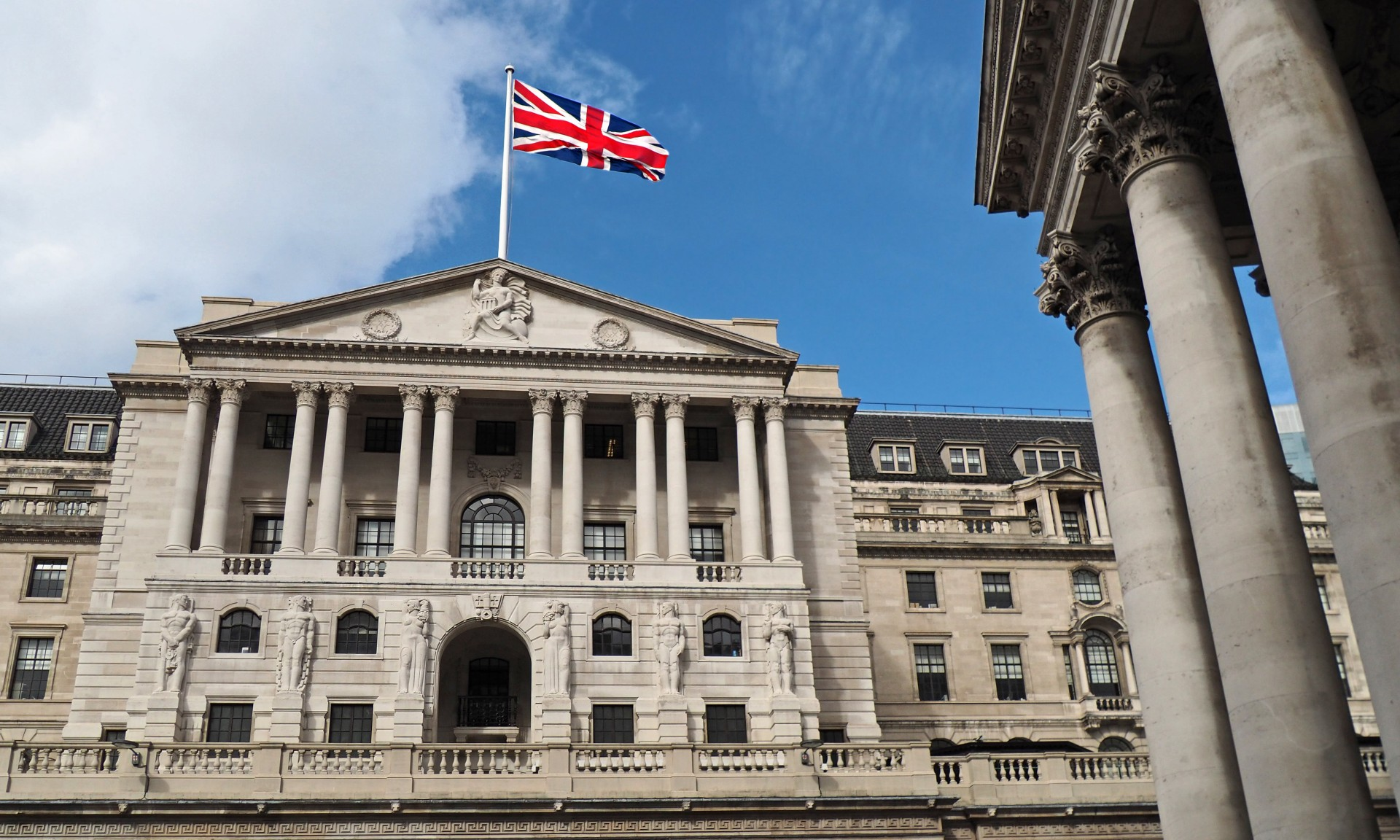
Bank of England to lift stablecoin limits only once risks to financial stability subside

The Bank of England (BoE) will maintain its proposed limits on stablecoin holdings until it is certain that the digital assets pose no risk to the broader financial system, Deputy Governor Sarah Breeden said on Wednesday.

In a speech, Breeden emphasized that the central bank’s cautious approach stems from concerns that large and sudden outflows of bank deposits into stablecoins could destabilize traditional lending. “Such outflows could lead to a precipitous drop in credit for businesses and households,” she warned, if banks are unable to replace lost deposits quickly through wholesale funding.

The BoE has previously suggested caps of between £10,000 and £20,000 ($12,800–$25,600) for individuals, with higher thresholds for businesses. The final levels will be detailed in a consultation paper next month, which will outline the UK’s future stablecoin regulatory framework.

Breeden said the caps would be lifted “once we see that the transition no longer threatens the provision of finance to the real economy.” Large corporations, however, may be exempt so they can hold higher amounts if necessary.

Under the UK’s proposed framework, the BoE would oversee systemic sterling-backed stablecoins — those expected to play a major role in payments — while the Financial Conduct Authority (FCA) would regulate smaller issuers. The BoE is also working with the Treasury on a resolution regime to ensure continuity of services if a stablecoin issuer fails.

Breeden rejected criticism that the UK is lagging in crypto regulation, noting that Britain aims to finalise its framework next year, aligning its timeline with the United States.

European Commission says MiCA rules already tackle stablecoin risks

The European Commission said on Friday that the EU’s landmark crypto regulation, MiCA, already provides a robust framework to handle risks linked to stablecoins, pushing back against the European Central Bank’s call for stricter safeguards.

Stablecoins—digital tokens tied to fiat currencies like the U.S. dollar or euro—have grown rapidly in recent years, prompting debate over how they should be regulated. While the United States has moved to promote their use, the ECB has warned that some models could threaten financial stability.

At the center of the dispute is whether multinational stablecoin issuers can treat tokens created inside and outside the EU as interchangeable under MiCA’s “multi-issuance” model. In a letter to EU Commissioner Maria Luis Albuquerque this week, six crypto trade groups, including Circle, urged Brussels to clarify that such structures are allowed.

A Commission spokesperson told Reuters that MiCA already provides “a proportionate framework for addressing risks” and said guidance confirming how multi-issuance operates will be published “as soon as possible.”

The ECB’s Systemic Risk Board, chaired by Christine Lagarde, argues that cross-border token issuance could lead to runs on EU reserves if holders outside the bloc attempt to redeem with EU entities during market stress. Stablecoin issuers, however, maintain that adequate reserve management can prevent such instability.

Analysts at J.P. Morgan said this week that 99% of all stablecoins are pegged to the U.S. dollar, noting that the sector’s global expansion could further boost demand for the greenback.