Yazılar

Bullish Prices IPO Above Range, Raises $1.11 Billion

Bullish, the cryptocurrency exchange backed by billionaire Peter Thiel and owner of media outlet CoinDesk, has priced its U.S. initial public offering (IPO) at $37 per share, above its earlier target of $32–$33. The offering raised $1.11 billion from 30 million shares, valuing Bullish at $5.41 billion.

The IPO comes as U.S. equity markets see a rebound after more than two years of a dry spell. Other high-profile recent offerings include stablecoin issuer Circle Internet, whose shares have surged over 400% since its IPO in June, and design software maker Figma, which jumped 250% in its market debut two weeks ago.

Bullish, led by former NYSE president Tom Farley, operates a crypto exchange offering spot trading, futures, and derivatives, and is expected to begin trading on the NYSE under the ticker “BLSH” on Wednesday. Institutional investors such as BlackRock and Cathie Wood’s Ark Investment Management have committed to buy up to $200 million in shares. JPMorgan, Jefferies, and Citigroup are the IPO’s lead underwriters.

The listing reflects growing investor confidence in crypto, bolstered by U.S. President Trump’s July law creating a regulatory framework for stablecoins—a move widely seen as legitimizing the crypto industry.

Companies Eye Stablecoin Launches Under New U.S. Law, Experts Warn of Challenges

Financial firms including Bank of America, Citigroup, and Fiserv are exploring launching their own dollar-backed stablecoins following the signing of the GENIUS Act, the first U.S. law establishing federal rules for stablecoins. However, experts caution that multiple hurdles remain before widespread adoption.

OVERVIEW OF THE GENIUS ACT

  • Signed by President Donald Trump on July 18, the law provides the first federal framework for stablecoins.

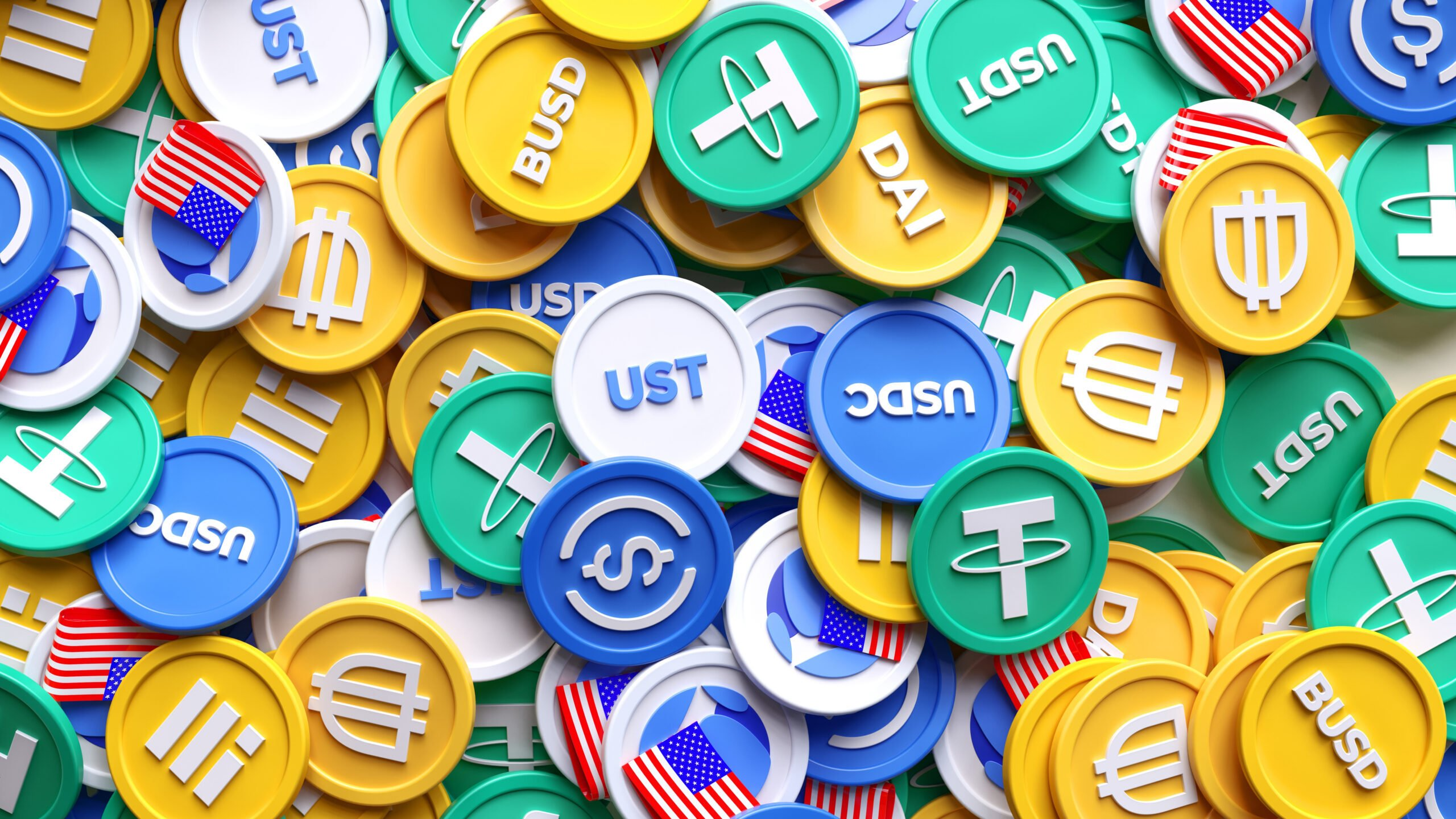
  • Stablecoins are digital tokens pegged to the U.S. dollar, enabling instant payments and cross-border transfers, unlike traditional banking rails that can take days.

  • The law mandates compliance with anti-money laundering (AML) and “know your customer” (KYC) rules, particularly impacting nonbank issuers.

CORPORATE INTEREST

  • Banks such as Bank of America, Citigroup, and JPMorgan Chase have confirmed interest in stablecoin initiatives, while others like Morgan Stanley monitor developments.

  • Retail and e-commerce giants like Walmart and Amazon are reportedly evaluating stablecoin strategies.

  • Companies must decide whether to issue their own stablecoins or partner with existing issuers such as Circle’s USDC, depending on intended use cases.

KEY CONSIDERATIONS

  1. Purpose and Use Case

    • Stablecoins could be used externally for customer payments or internally for cross-border settlements.

    • Intended use affects design choices, partnerships, and integration strategies.

  2. Regulatory Compliance

    • Nonbank issuers face higher compliance costs due to AML/KYC obligations.

    • Banks benefit from existing experience in regulatory oversight, sanctions screening, and risk management.

    • Holding stablecoins may affect liquidity requirements and capital ratios under U.S. banking rules.

  3. Blockchain Infrastructure

    • Issuers must select between permissionless (public) blockchains like Ethereum and Solana or permissioned (private) networks.

    • Banks often prefer permissioned chains for governance and control, while startups may leverage public networks for user adoption and scalability.

  4. Regulatory Phasing

    • Effective implementation may take years, with federal agencies like the Office of the Comptroller of the Currency expected to issue detailed risk management and compliance rules.

    • Treasury Department guidance will address foreign stablecoin regulatory compatibility.

EXPERT INSIGHT

  • Stephen Aschettino, partner at Steptoe: “The intended use is going to matter a lot… driving customer engagement versus aiming for broader ubiquity.”

  • Jill DeWitt, Moody’s: Firms with robust KYC and risk management programs have a competitive edge.

  • Nassim Eddequiouaq, Bastion CEO: Permissionless blockchains offer battle-tested scalability during spikes in activity.

CONCLUSION
While the GENIUS Act sets the stage for corporate stablecoins to become a mainstream tool for payments and settlements, regulatory, technical, and strategic challenges mean widespread adoption may still take several years.

Standard Chartered Launches Joint Venture to Apply for Stablecoin License in Hong Kong

Standard Chartered (2888.HK) announced on Friday the formation of a joint venture, Anchorpoint Financial, with strategic partners Animoca Brands and HKT (6823.HK) to apply for a license to issue stablecoins in Hong Kong. This move comes shortly after Hong Kong’s stablecoin legislation officially took effect.

Stablecoins are cryptocurrencies pegged to fiat currencies like the U.S. dollar, commonly used for transferring funds within the crypto ecosystem. The newly passed Hong Kong bill, effective August 1, sets a clear regulatory framework for fiat-referenced stablecoin issuers.

Anchorpoint Financial has formally expressed interest to the Hong Kong Monetary Authority (HKMA) in obtaining the stablecoin issuer license. The HKMA anticipates granting the first licenses early next year, signaling a growing institutional push into regulated digital currencies in the region.