Yazılar

Toxic Smog Engulfs Northern India as Delhi Pollution Hits Seasonal High

Delhi’s Air Quality Reaches Critical Levels Amid Pollution Crisis

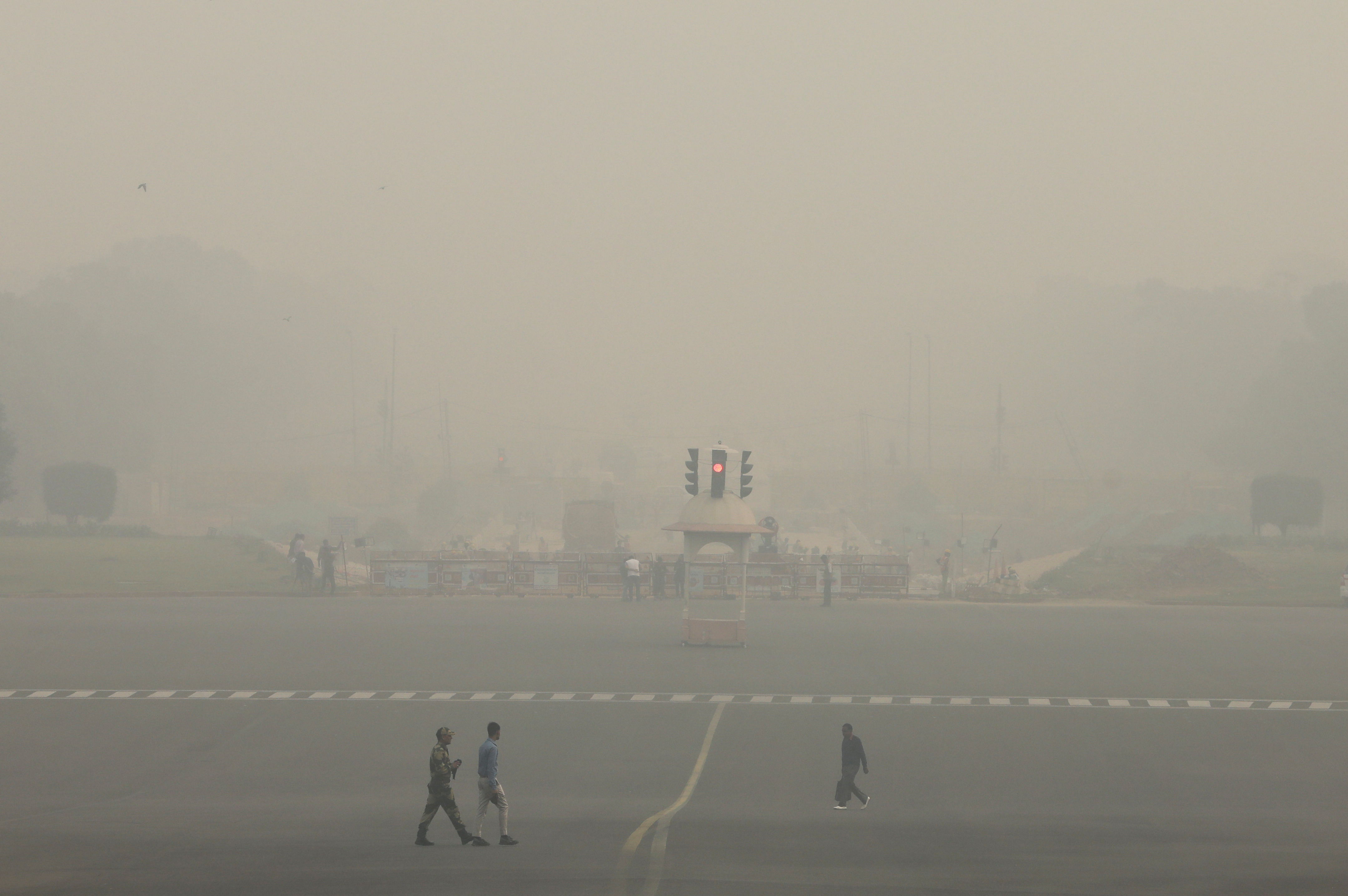
On Monday, dense smog and toxic pollution blanketed much of northern India, with New Delhi’s air quality reaching the worst levels of this pre-winter season. The capital’s air quality index (AQI) surged to 491, classified as “severe plus,” significantly impacting visibility and health.

  • Impact on Daily Life: Visibility in Delhi dropped to just 100 meters due to thick fog and smog, leading to the diversion of at least 11 flights. Airports and railway stations remained operational but faced significant delays. Delhi’s chief minister Atishi termed the situation a “medical emergency,” stressing the urgency of pollution control in the region.
  • Health Warnings and School Closures: Health authorities have warned that the high AQI poses severe risks, particularly for individuals with pre-existing respiratory conditions. In response, the Delhi government has moved all schools to online classes and imposed tighter restrictions on construction activities and vehicle movements. Despite these measures, many residents continued their routines while facing discomfort, including eye irritation and difficulty breathing.

Sources of Pollution and Government Response

The dense pollution is primarily attributed to the combination of cold weather, fog, and smoke from illegal farm fires, where rice stubble is burned to clear fields in neighboring states. This annual phenomenon traps dust, emissions, and smoke in the air, exacerbating the region’s pollution levels.

  • Pollution Control Efforts: Economists and environmental experts, including Kaushik Basu, have called the situation a significant threat to India’s growth, emphasizing the need for immediate and effective action. The Supreme Court has instructed states in the Delhi region to consider suspending in-person classes for students up to grade 12 due to the severe air quality.
  • Farm Fires Contributing to Pollution: According to SAFAR, farm fires are responsible for up to 40% of Delhi’s pollution this season, with the Central Pollution Control Board warning that conditions will likely persist.

Global Ranking and Health Implications

Global air quality monitors, including Swiss group IQAir, rank New Delhi as the world’s most polluted city, with PM2.5 levels reaching 130.9 times the World Health Organization’s recommended levels. PM2.5 particulate matter, known to cause respiratory and cardiovascular diseases, remains a critical concern for public health.

  • Forecast for the Coming Days: The India Meteorological Department has predicted similar hazardous conditions for Tuesday, further compounding the health and logistical challenges facing the region.

The Last Best Hope for Supreme Court Liberals: Amy Coney Barrett

Supreme Court Justice Amy Coney Barrett has emerged as a surprising figure in the polarized environment of the current Court, one that liberals on and off the bench are looking to as a potential counterbalance to the conservative majority. As the only former law professor among the Court’s right-wing bloc and its sole female member, Barrett stands apart in more ways than one.

What makes Barrett particularly intriguing is her distinct background. Unlike the other conservative justices, she never served in a high-level Republican administration, which gives her a more independent voice on the bench. While her judicial philosophy aligns with the right on many major issues, including abortion, affirmative action, and executive power, her more methodical and analytical approach has led some liberals to see her as a potential ally in securing a more moderate judicial consensus.

Since her appointment in 2020, Barrett has been closely watched by both liberals and conservatives. On the one hand, she has cast votes with the conservative majority in significant cases like Dobbs v. Jackson (overturning Roe v. Wade), New York State Pistol & Rifle Association v. Bruen (expanding gun rights), and Students for Fair Admissions v. Harvard (striking down affirmative action). On the other hand, her nuanced legal reasoning and willingness to engage with both sides of a case have earned her a reputation as a potential voice of moderation.

Barrett’s approach to legal interpretation is rooted in originalism and textualism, following in the footsteps of the late Justice Antonin Scalia. But her willingness to challenge her conservative colleagues on methodological grounds—such as in her disagreements with Justice Thomas over historical analogies—sets her apart. In cases like student loan forgiveness and agency powers, Barrett has voiced concern over the overreach of executive authority, aligning with more moderate perspectives.

While Barrett’s votes have overwhelmingly favored conservative positions, her engagement with the left on legal doctrine and her occasional departures from the far-right bloc make her a critical figure. She has even worked alongside liberal justices during oral arguments, with Justice Sotomayor and Justice Kagan frequently referring to Barrett’s questions to support their own arguments. This kind of cross-ideological dialogue, though not always resulting in alignment on the final decision, suggests that Barrett could serve as a bridge in an increasingly divided Court.

Despite this, Barrett remains firmly within the conservative fold on most cultural issues, and her votes continue to uphold conservative priorities. In her most recent opinions, she joined with the conservative majority in curbing the powers of federal agencies and bolstering protections for religious freedoms. Nevertheless, her more cautious approach to certain cases, such as the Idaho abortion ban, reveals a potential willingness to temper her conservative inclinations in pursuit of a more balanced outcome.

Barrett’s impact on the Court is still evolving. As her tenure progresses, her role as a potential moderator may become more pronounced, especially as the country navigates a new phase of political polarization. While she is not expected to dramatically shift the Court’s ideological composition, her legal rigor and willingness to engage in cross-ideological dialogue could help mitigate some of the Court’s more contentious decisions.


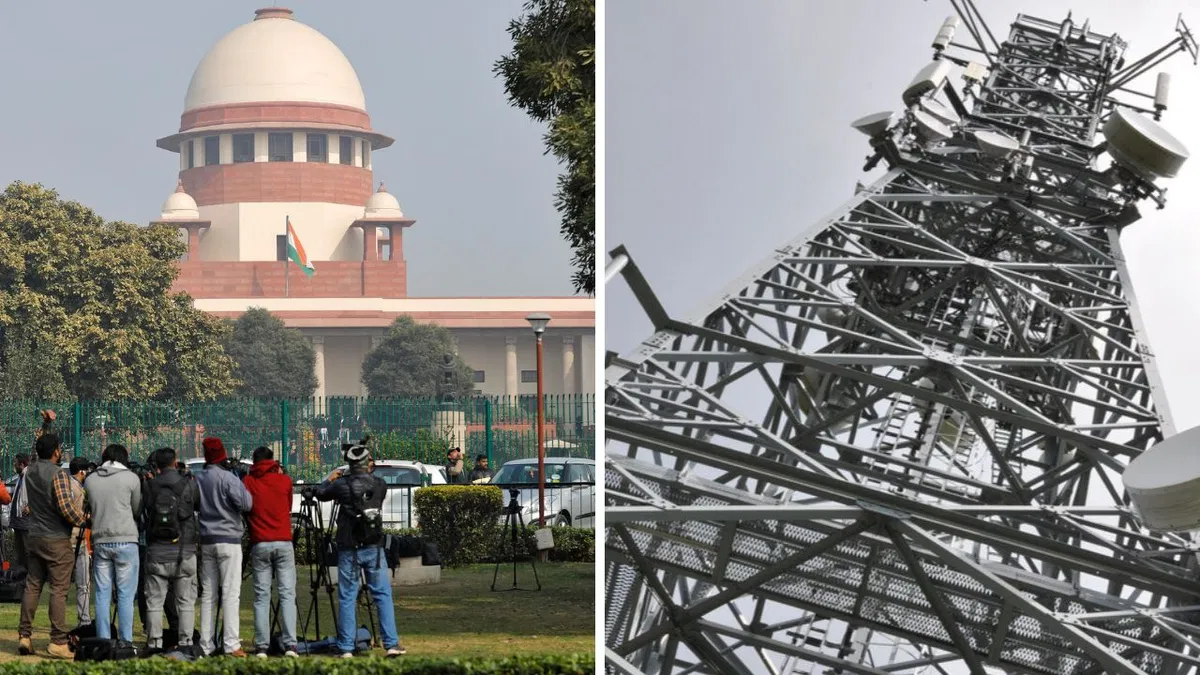
Supreme Court Dismisses Telecom Companies’ Petition Challenging AGR Dues Payment to Government

ICRA Estimates Vodafone Idea and Bharti Airtel’s Outstanding AGR Dues at Rs. 1 Lakh Crore, Including Spectrum and License Fees Devamını Oku