Yazılar

U.S. Naval Academy Defends Race-Conscious Admissions Policies in Court

The U.S. Naval Academy is defending its race-conscious admissions policies in a federal trial initiated by Students for Fair Admissions (SFFA), the same group that successfully persuaded the U.S. Supreme Court to ban race-based admissions at civilian universities in 2023. This lawsuit challenges the military academy’s exemption from the ruling, which allows institutions like the Naval Academy to continue considering race in admissions decisions.

The group, founded by anti-affirmative action advocate Edward Blum, argues that the Naval Academy’s use of racial preferences is unlawful. SFFA’s lawyer, Adam Mortara, claims that the Annapolis-based academy is providing “significant” racial preference in admissions and contends that the academy has not evaluated whether eliminating race as a factor would impact student body diversity. Mortara also questioned the institution’s ability to effect real change in racial diversity within the U.S. Navy and Marine Corps officer ranks.

The U.S. Justice Department, defending the academy, argues that diversity is essential for improving military performance, recruitment, and retention. U.S. government attorney Joshua Gardner explained that race is considered as part of a “holistic” admissions process and stressed that no candidate is admitted solely based on race. He added that diversity within the military is crucial for addressing ongoing racial disparities between service members and officers.

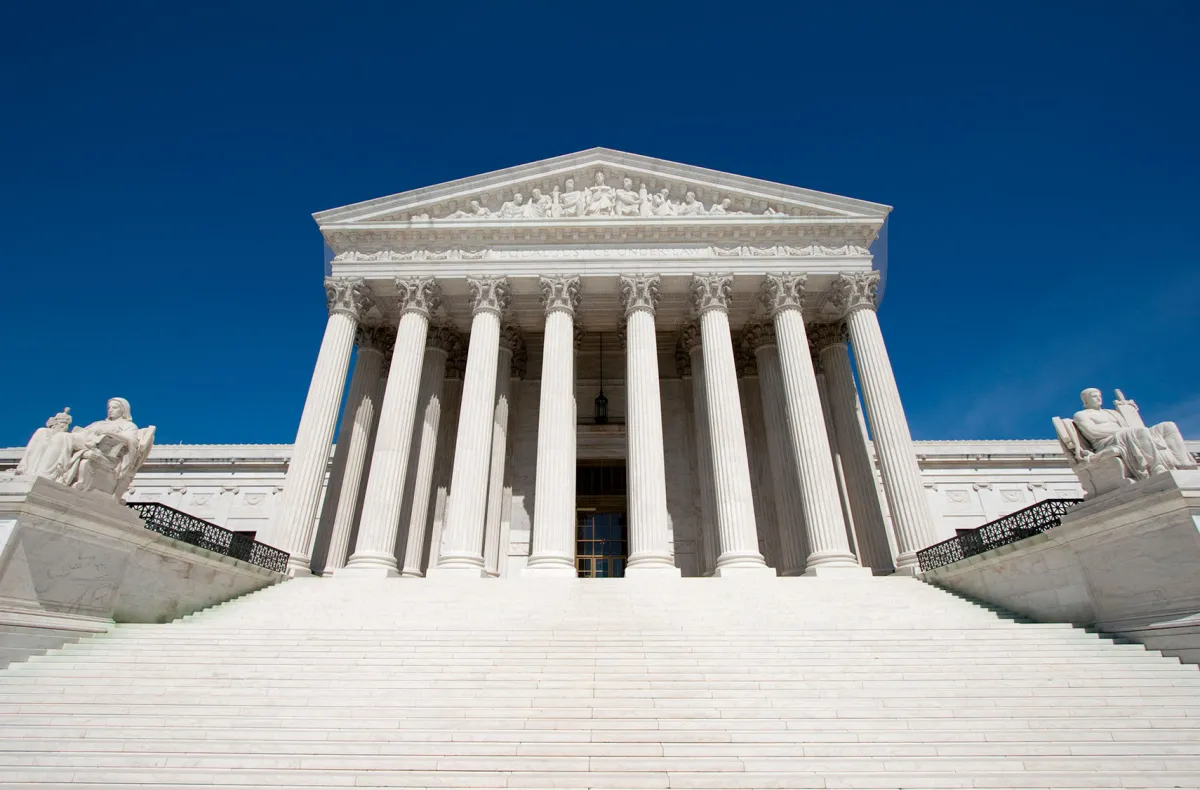
This case builds on the June 2023 Supreme Court decision that invalidated race-conscious admissions policies at Harvard University and the University of North Carolina, both of which were sued by SFFA. That ruling, however, left military academies’ policies intact due to their “distinct interests,” as noted by Chief Justice John Roberts.

SFFA is now pushing to extend the Supreme Court’s ruling to military academies, arguing that these policies are discriminatory and violate the equal protection clause under the Fifth Amendment. Alongside this case, a similar lawsuit has been filed against the U.S. Military Academy at West Point in New York.
 

Brazil Orders Suspension of Elon Musk’s X Platform Amid Legal Feud

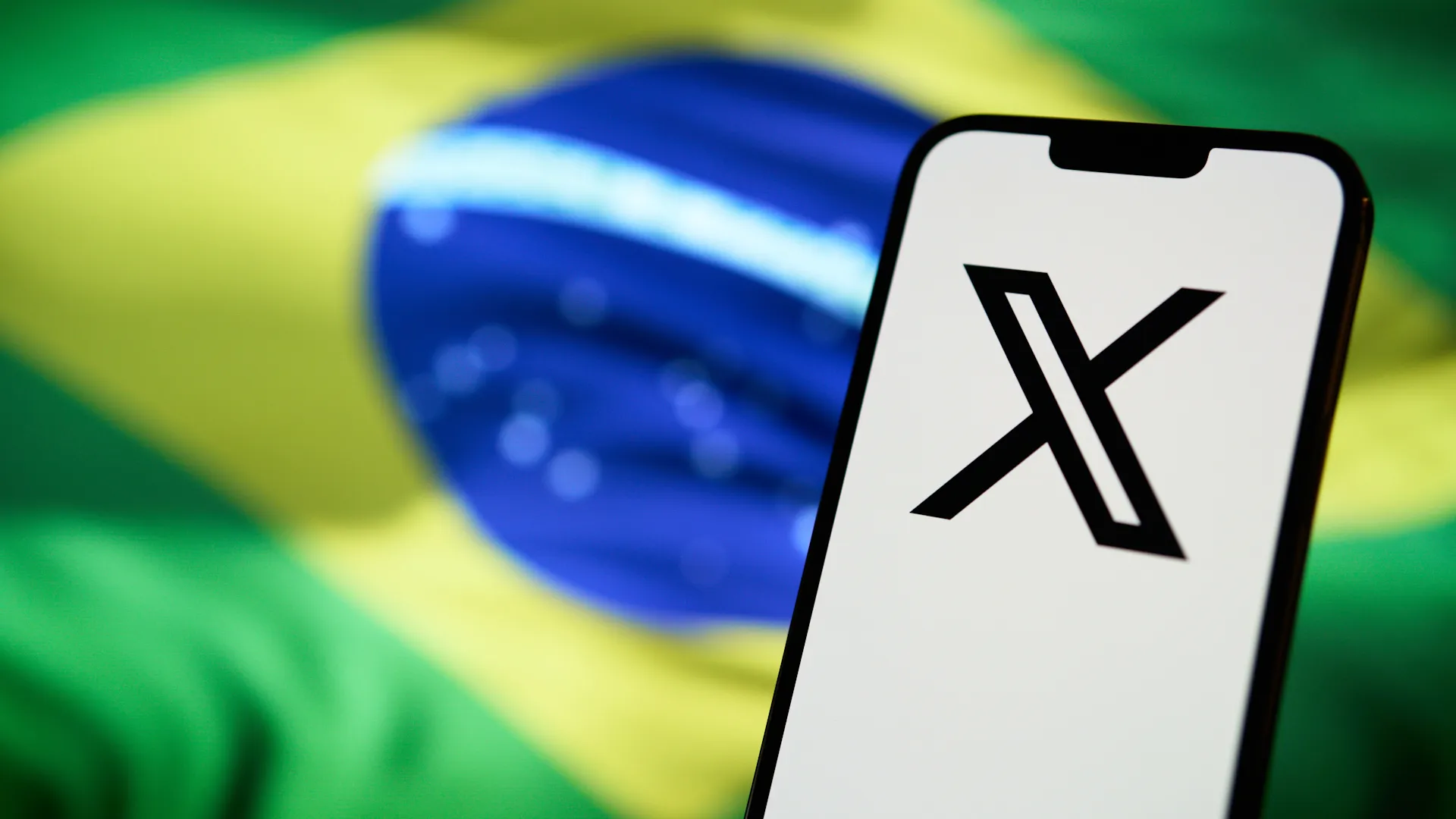
Brazil’s telecommunications regulator announced on Friday that it is moving to suspend access to Elon Musk’s X platform, formerly known as Twitter, following a court order from Supreme Court Justice Alexandre de Moraes. This suspension was triggered after X missed a deadline to appoint a legal representative in Brazil, as required by law.

Musk has fiercely opposed the court’s ruling, accusing Justice Moraes of attempting to enforce unjustified censorship. Moraes, however, has maintained that regulation is necessary to curb hate speech on social media platforms. The judge’s decision is the latest development in a prolonged dispute with Musk, which has now escalated to the point of a potential shutdown of X in one of its largest markets.

Despite the court order, X remained accessible in Brazil late on Friday. Some users, however, reported that their access had already been blocked by local telecommunications carriers, which planned to fully enforce the suspension by midnight.

In addition to the suspension, the court also froze the bank accounts of Musk’s satellite internet provider, Starlink, in Brazil. The judge has ordered X to pay more than $3 million in fines and to comply with other legal mandates before service can be restored in the country. Telecommunications regulator Anatel has been tasked with implementing the suspension, which will require telecommunication companies to block X’s traffic and prevent users from bypassing the ban using virtual private networks (VPNs). Moraes warned that those who continued to access X via VPNs could face daily fines of up to 50,000 reais (around $9,000).

Picture background

While Apple and Google were initially ordered to remove X from their app stores and implement anti-VPN measures, Justice Moraes later reversed this part of the order. Both companies declined to comment.

Brazil’s Supreme Court judges wield considerable power to make unilateral decisions, and in this case, Moraes’ stance has been supported by a majority of the 11-member court. The roots of the conflict trace back to a previous Moraes order demanding X block accounts accused of spreading misinformation and hate speech, which Musk criticized as censorship. Although Musk closed X’s offices in Brazil in response, he has continued to make the platform available to users in the country.

Musk, who also owns 40% of SpaceX and leads electric vehicle giant Tesla, derided Brazil’s President Luiz Inacio Lula da Silva as Moraes’ “lapdog,” further heightening tensions. President Lula responded firmly, stating that all companies, regardless of their wealth or influence, must comply with Brazilian law.

The situation remains tense as Brazil pushes for compliance from Musk’s ventures, with no signs of backing down from the court or government.

The Supreme Court has remanded the social media regulation laws of Texas and Florida back to the lower courts for further review

The Supreme Court vacated two judicial decisions regarding Republican-backed laws from Florida and Texas designed to limit social media companies’ content moderation abilities. The Court sent both cases back to lower courts for further review, emphasizing that the lower courts had not adequately analyzed the First Amendment challenges posed by these laws. Devamını Oku