
Yazılar

GE Vernova to Sell Proficy to TPG for $600 Million, Refocus on Grid Software

GE Vernova announced Thursday it will sell its Proficy industrial software unit to private equity firm TPG for $600 million, with plans to reinvest the proceeds into its grid software business.

Proficy, which represents about 20% of GE Vernova’s electrification software revenue, helps manufacturers monitor and optimize production. In 2024, the company’s electrification segment generated $7.55 billion in revenue.

The sale comes as GE Vernova, spun off from General Electric last year, works to manage higher costs tied to tariffs and inflation. The company has projected an additional $300–$400 million in costs for 2025 and is raising prices and streamlining operations to protect margins.

CEO Scott Strazik said at a Morgan Stanley conference that while Proficy is a valuable business, GE Vernova sees more strategic upside in grid-focused technology. “Indirectly, we are going to reinvest the proceeds into the grid software business,” he said.

Deal Details

  • The transaction is expected to close in the first half of 2026.

  • TPG will acquire and control Proficy through TPG Capital, its U.S. and European private equity platform.

  • GE Vernova will retain a board observer seat and could receive additional proceeds depending on future outcomes and conditions.

  • The sale will establish Proficy as a standalone software company under TPG ownership.

Market Context

Analysts said the divestiture reflects GE Vernova’s efforts to monetize undervalued assets while channeling resources into growth areas like grid modernization. RBC Capital Markets analyst Christopher Dendrinos called the move “strategic,” noting the strong demand for manufacturing and electrification investments.

Shares of GE Vernova fell 3.2% to $622.77 after the announcement.

The company is also boosting its supply chain capacity, including a $600 million upgrade to U.S. factories announced in January, to keep pace with rising global electricity demand.
U.S. to Restrict Chinese Drone and Heavy-Duty Vehicle Imports Over Security Concerns

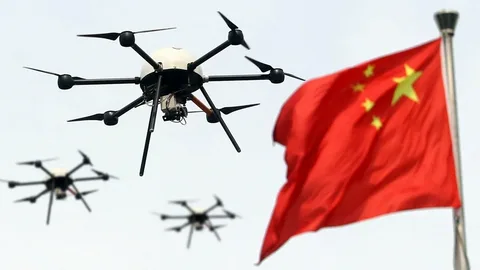
The Trump administration is preparing new rules that could restrict or ban imports of Chinese-made drones and medium-to-heavy duty vehicles, citing national security risks tied to foreign technology. The Commerce Department said Friday it expects to issue the regulations as soon as this month but did not provide details on the scope of the restrictions.

Chinese firms currently dominate the U.S. drone market, with DJI alone accounting for over half of all commercial drone sales. Washington has grown increasingly wary of Chinese technology embedded in vehicles and aircraft, warning that onboard computers, communications systems, flight controls, and data storage could expose U.S. infrastructure to espionage or cyberattacks.

The move builds on earlier measures targeting Chinese cars and trucks, with rules finalized in January under the Biden administration that will bar nearly all Chinese-made vehicles from the U.S. by late 2026. The Commerce Department has also opened national security probes into both drones and heavy-duty vehicles, which could pave the way for new tariffs.

Trump has already signed executive orders this year to boost domestic drone manufacturing and harden defenses against “threatening drones.” Meanwhile, Congress passed legislation in December, under Biden, that could eventually ban DJI and Autel from selling new drone models in the U.S.

The latest restrictions underscore bipartisan concern in Washington over supply chain dependence on China, as well as the push to secure strategic sectors like transportation and aerospace against foreign influence.

Trump to Hit Semiconductor Imports with Tariffs Unless Firms Build in U.S.

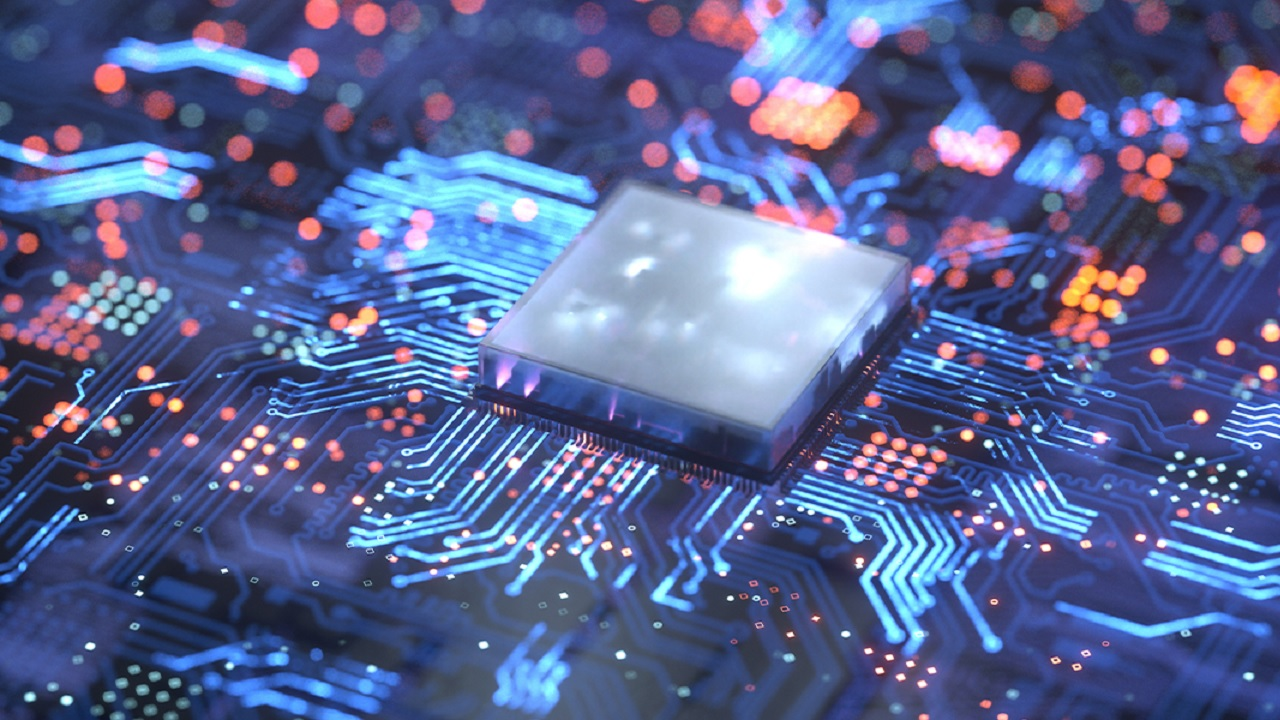
President Donald Trump announced Thursday that his administration will impose tariffs on semiconductor imports from companies that do not move production to the United States. Speaking ahead of a dinner with top tech CEOs, Trump said the tariffs would be “fairly substantial” but would not apply to companies already investing in U.S. manufacturing.

Trump framed the move as part of his broader strategy of using tariffs to pressure foreign companies and governments to shift production and jobs into the U.S. “If they are not coming in, there is a tariff,” he said. He singled out Apple CEO Tim Cook, noting that Apple’s $600 billion commitment to domestic investment puts it “in pretty good shape.”

The policy comes as global chipmakers respond to U.S. pressure. Taiwan’s TSMC, South Korea’s Samsung, and SK Hynix have all announced major U.S. semiconductor plant investments. Trump had previously floated a 100% tariff on imported chips but said exemptions would apply for companies producing or planning facilities inside the country.

The announcement underscores Trump’s second-term emphasis on tariffs as a cornerstone of economic and foreign policy, a tool he has wielded to renegotiate trade terms and gain leverage in geopolitical disputes. However, legal challenges loom: lower courts have invalidated parts of his earlier tariff regime, and the administration has asked the Supreme Court to uphold the sweeping emergency powers used to justify them.