
Yazılar

Hikvision to appeal Canadian court ruling upholding shutdown order

Chinese surveillance camera maker Hikvision said Tuesday it will challenge a Canadian Federal Court decision that upheld Ottawa’s order for the company to cease operations in Canada on national security grounds.

The court dismissed Hikvision’s bid to overturn the June shutdown order, siding with the Canadian government’s argument that the firm’s activities could pose security risks.

A Hikvision spokesperson rejected the claim, saying: “We remain steadfast in our position that our products and technology do not pose a national security threat, and there is no evidence that indicates they have ever presented such a risk to Canada.” The company has notified Ottawa of its intent to pursue arbitration under a 2014 bilateral investment treaty.

Hikvision’s Canadian unit employs 66 staff and sells products through local distributors. While the shutdown order blocks direct operations, it does not explicitly ban the sale of Hikvision products in Canada.

The dispute unfolds against the backdrop of worsening Canada–China relations. Ottawa recently imposed a 100% tariff on Chinese EVs and a 25% tariff on Chinese steel and aluminum, while Beijing retaliated with 75.8% duties on Canadian canola seed imports pending an anti-dumping probe.

The Hikvision case could become another flashpoint in an already fraught trade and diplomatic relationship.
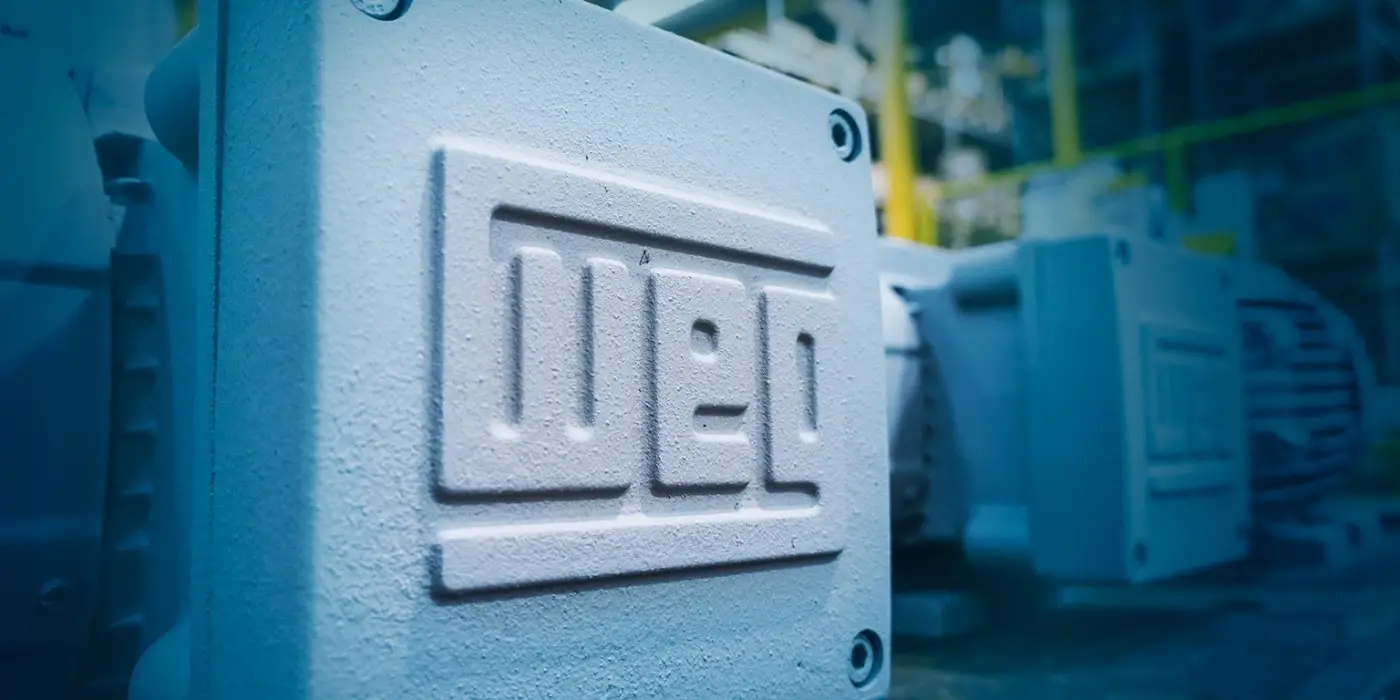
Brazil’s WEG invests $77M to expand U.S. transformer plant amid AI-driven demand

Brazilian motor manufacturer WEG announced Tuesday it will invest $77 million to expand its Washington, Missouri specialty transformer plant, aiming to increase production capacity by 50% as demand surges from AI data centers, industrial manufacturing, and U.S. grid stability needs.

The investment, to be deployed over three years, will bring the additional capacity online no later than 2028, WEG U.S. managing director Peter Barry told Reuters. While the facility previously focused on renewable energy applications like wind power, Barry said the shift toward AI and data center infrastructure is now driving growth.

Despite President Donald Trump’s 50% tariff on Brazilian imports, Barry said the company’s decision was unaffected, citing strong and sustained growth in the North American market. “The North American growth for WEG over the last number of years has been very strong, and I would see that continuing,” he noted.

Key points from the plan:

  • Capacity expansion will be pre-sold, reflecting strong forward demand.

  • Investment will emphasize automation, though around 50 new jobs will still be created.

  • WEG remains open to additional U.S. investments as the AI and energy markets evolve, stressing a strategy of flexibility.

The expansion underscores how the AI boom is reshaping industrial supply chains, with transformers becoming critical components for powering vast data centers and stabilizing electricity grids.

Trump and Xi advance TikTok talks, plan South Korea summit

U.S. President Donald Trump and Chinese President Xi Jinping said they made progress toward a TikTok deal during their first phone call in three months, and agreed to meet face-to-face on October 31 in Gyeongju, South Korea, at the Asia-Pacific Economic Cooperation (APEC) forum.

Trump told reporters Xi had “approved the TikTok deal,” though China’s official statement stopped short, saying only that it respected company negotiations “based on market rules.” A final agreement remains elusive, with disputes over ownership, algorithm control, and congressional approval still unresolved.

Under pressure from Congress, ByteDance must divest TikTok’s U.S. assets by January 2025 or face a nationwide ban. Trump has delayed enforcement, citing concerns about angering TikTok’s 170 million American users and disrupting political communications. He hinted the U.S. may even take a multibillion-dollar broker’s fee for helping facilitate the deal.

The call also touched on trade, fentanyl exports, and the Russia-Ukraine war. Trump said Xi indicated he wanted the conflict “ended,” though no specifics emerged. Meanwhile, Trump’s sweeping tariff hikes against China remain in place, with rates at historic highs despite limited deals earlier this year that paused tit-for-tat escalation.

For Beijing, analysts say the dynamic is favorable: China projects patience while Washington seeks quick wins on TikTok and summit optics. Critics in the U.S. warn that leaving ByteDance’s algorithm under Chinese control could still allow Beijing to influence or surveil Americans. China dismisses those concerns as unfounded.

Both sides confirmed additional leader visits in 2025: Trump to Beijing early next year, and Xi to the U.S. later. But thorny issues — from tariffs to Taiwan and the South China Sea — remain unsettled, ensuring the rivalry continues beneath the cautious diplomatic thaw.