Yazılar

Trump Calls for Repeal of $52.7 Billion Semiconductor Subsidy Law

Former President Donald Trump has called for the repeal of the landmark 2022 bipartisan CHIPS and Science Act, which allocated $52.7 billion in subsidies for semiconductor manufacturing and production. Trump, in a speech to Congress on Tuesday, criticized the act, describing it as a “horrible, horrible thing” and argued that the money allocated had not been effectively spent. He urged lawmakers to cancel the CHIPS Act and redirect the remaining funds towards reducing the national debt.

The CHIPS Act, signed by President Joe Biden in August 2022, includes $39 billion for U.S. semiconductor manufacturing, along with $75 billion in government lending authority aimed at bolstering the country’s tech industry and addressing national security concerns related to semiconductor imports. The law has been praised by Commerce Secretary Howard Lutnick, who previously expressed his desire to review the awards finalized under Biden’s administration, which facilitated major semiconductor firms such as Samsung, Intel, Taiwan Semiconductor Manufacturing Company (TSMC), and Micron in establishing factories in the U.S.

Trump’s remarks mark his strongest criticism of the CHIPS Act, suggesting that avoiding new tariffs would be sufficient to encourage domestic semiconductor production. Critics, however, argue that the law is crucial for securing investments, such as TSMC’s $100 billion plan to build five chip facilities in the U.S., which would create tens of thousands of jobs. New York Governor Kathy Hochul highlighted that Micron’s $100 billion investment in Central New York, which could generate 50,000 jobs, was a direct result of the CHIPS Act.

While Trump’s position may undermine the funding for key semiconductor projects, officials are concerned that repealing the law could harm Arizona’s semiconductor industry and jeopardize job creation. Recent reports also indicated significant layoffs within the U.S. Commerce Department, which oversees the semiconductor subsidies, raising questions about the future of the industry under a potential new administration.
Trump’s DOJ Pick Says Resources Key in Big Tech Antitrust Cases

Gail Slater, President Donald Trump’s nominee to lead the U.S. Department of Justice’s antitrust division, told a Senate confirmation hearing on Wednesday that resource availability would be a critical factor in pursuing high-profile cases against Big Tech.

Slater, an experienced antitrust lawyer and economic adviser to Vice President JD Vance, would oversee cases targeting monopolistic practices if confirmed as the DOJ’s assistant attorney general for antitrust.

Senator Mike Lee, a Republican from Utah and head of the antitrust subcommittee, questioned Slater about her stance on ongoing litigation against Apple, Google, and other tech giants—cases initiated during Trump’s first term and carried over into the Biden administration.

Slater acknowledged the complexities and high costs of such lawsuits. “Resources are of course a very important consideration in antitrust litigation, in taking cases further. It is very complex civil litigation and costly, so that will be a consideration,” she said. She also pledged to advocate for sufficient resources to continue enforcement.

The DOJ is actively suing Google for its dominance in online advertising markets and recently won a case confirming Google’s illegal monopoly in online search. Additionally, the DOJ and state attorneys general have accused companies like Apple, LiveNation, and Visa of anticompetitive practices.

Slater expressed her commitment to collaborating with state attorneys general from both parties on these cases.

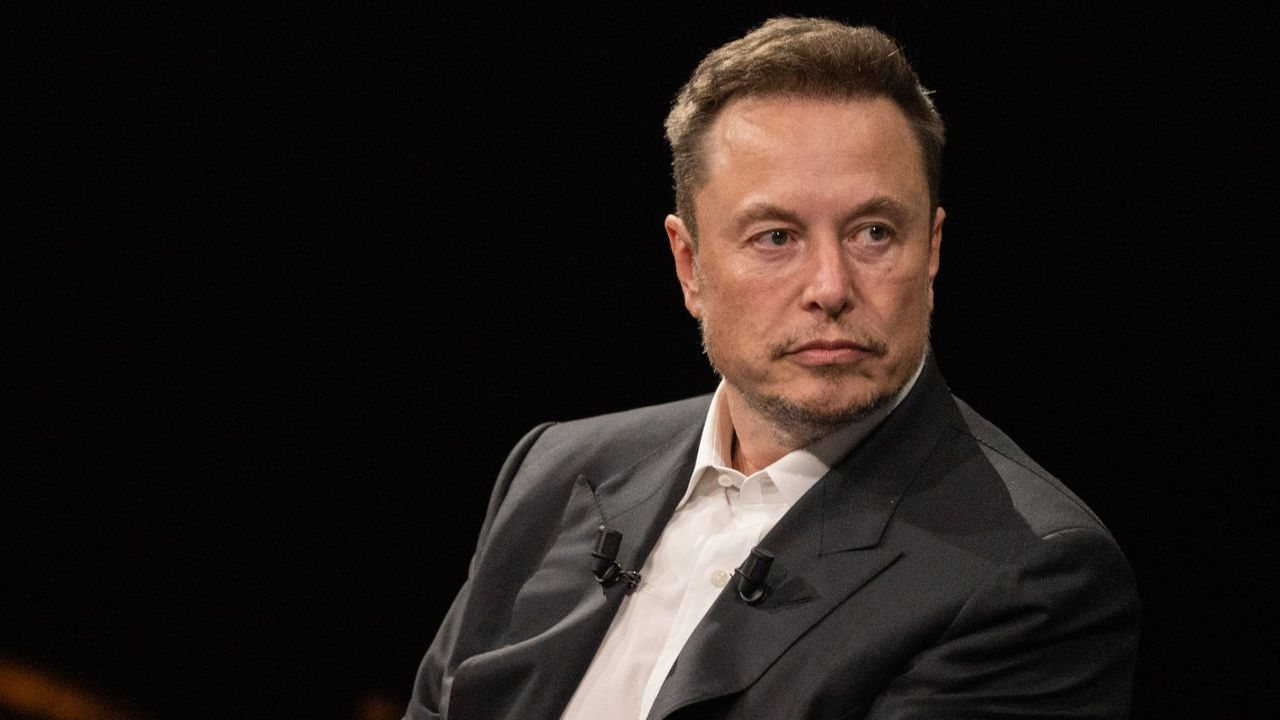
Senator Cory Booker, the ranking Democrat on the Senate’s antitrust committee, voiced concerns about how efforts by Tesla CEO and Trump adviser Elon Musk to downsize the federal workforce could hinder the DOJ’s antitrust enforcement. “Any efforts by Musk and Trump to fire or push out federal employees charged with enforcing our antitrust laws will hurt Americans at a time when families are struggling,” Booker said.

Slater’s background includes positions at Fox Corp and Roku, as well as representing major tech firms at the now-defunct Internet Association. She began her career at Freshfields Bruckhaus Deringer and spent a decade at the Federal Trade Commission.

Elon Musk Declines Interest in Purchasing TikTok

Billionaire Elon Musk stated that he has no interest in acquiring TikTok, the popular short-video app that has faced scrutiny in the U.S. due to national security concerns over its Chinese parent company, ByteDance. His remarks were made in late January during a summit hosted by The WELT Group, part of Axel Springer SE, and were released online on Saturday.

Musk’s comments came shortly after U.S. President Donald Trump indicated he would be open to Musk purchasing TikTok. However, Musk emphasized that he has not made any bids for the platform and has no plans for managing TikTok if he were to acquire it. “I don’t use TikTok personally and I’m not familiar with its format,” Musk said, adding that acquiring companies is not his usual approach, as he typically prefers building businesses from the ground up.

This week, TikTok has attempted to bypass restrictions by enabling U.S. Android users to download the app via package kits from its website, as Apple and Google have yet to reinstate TikTok to their app stores following the implementation of a new U.S. law.

The U.S. government has raised concerns that TikTok could potentially share data with the Chinese government, prompting lawmakers to demand the app’s sale or face a ban. While TikTok has denied these allegations, its future remains uncertain.

President Trump, who has signed an executive order to potentially buy TikTok through a sovereign wealth fund, has shown a new interest in the app after previously attempting to block it. Despite past attempts to ban TikTok over security concerns, Trump has more recently expressed a positive view of the app, citing its influence on younger voters.