Yazılar

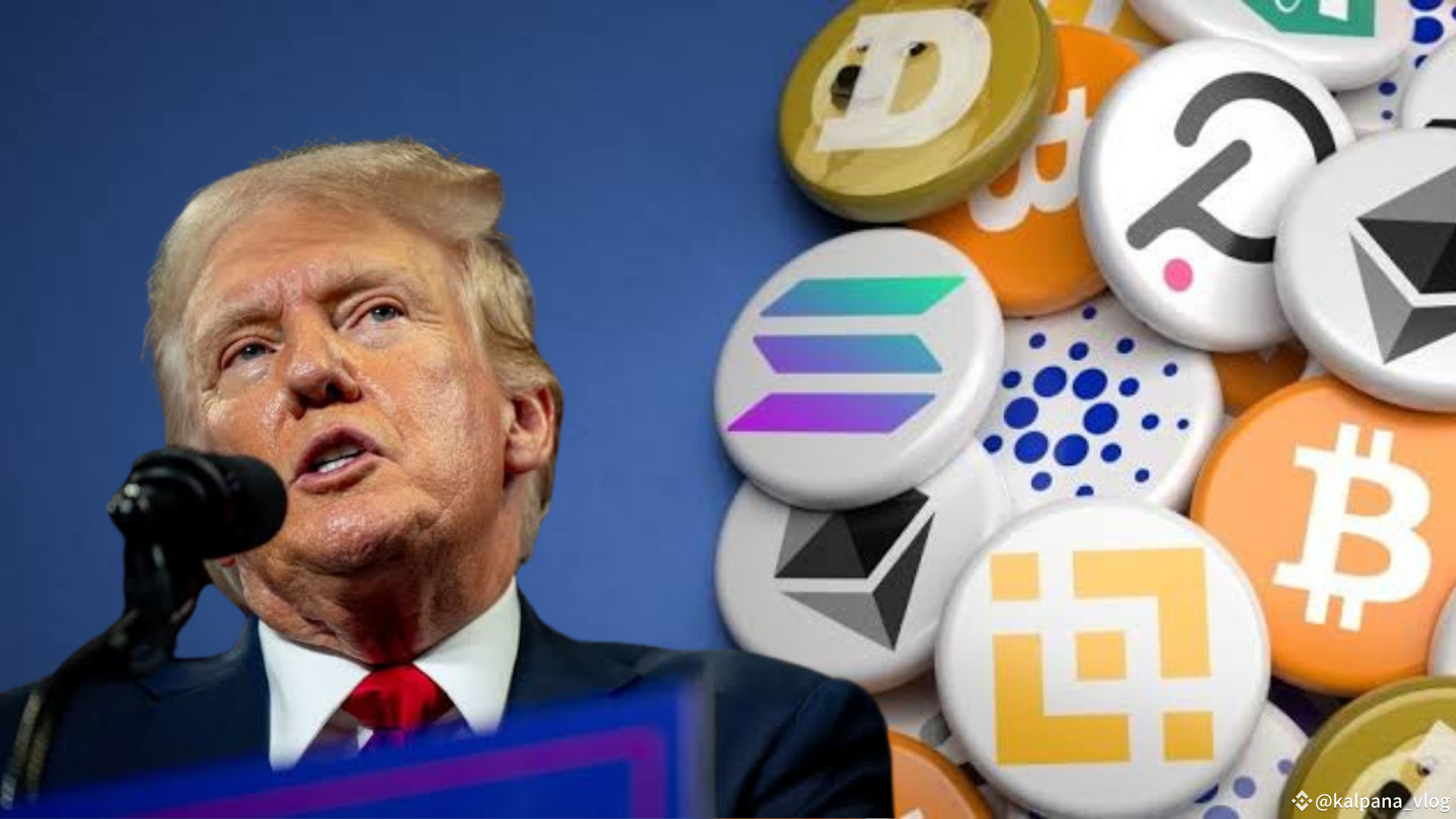
Trump’s World Liberty Financial to Launch USD1 Stablecoin

Donald Trump’s World Liberty Financial venture announced plans to launch a new dollar-pegged stablecoin, USD1, which will be fully backed by U.S. Treasuries, dollars, and other cash equivalents to maintain a value of $1. The move follows the venture’s successful raise of over $550 million from the sale of a separate digital token, $WLFI.

Stablecoins like Tether and USDC have become crucial players in the crypto industry, with over $237 billion in circulation. These tokens facilitate transactions between cryptocurrencies and provide liquidity in the market. USD1 aims to tap into this growing market and offer “sovereign investors and major institutions” a secure means of conducting cross-border transactions, according to World Liberty co-founder Zach Witkoff.

The reserves for USD1 will be audited by a third-party firm, although World Liberty has not disclosed further details. The stablecoin will initially launch on the Ethereum and Binance Smart Chain blockchains, with future plans to expand to other platforms. The firm also revealed its partnership with BitGo, a California-based custodian, to handle the reserves and provide institutional clients access to liquidity.

Trump’s crypto interests, including the launch of USD1 and a meme coin earlier this year, have raised concerns among ethics experts about potential conflicts of interest, especially as he has pledged to overhaul U.S. regulations on crypto. Despite this, the initiative aims to compete with established stablecoins in the market, such as Tether and USDC.

Trump Family in Talks for Stake in Binance’s US Arm, WSJ Reports

Representatives of President Donald Trump’s family have engaged in talks regarding a potential financial stake in the U.S. arm of Binance, the world’s largest cryptocurrency exchange, according to a Wall Street Journal report released Thursday. The report also suggested that Binance’s founder, Changpeng Zhao, has been advocating for a pardon from the Trump administration.

In November 2023, Zhao resigned as CEO of Binance and pled guilty to violating U.S. anti-money laundering laws, following a $4.3 billion settlement that resolved a prolonged investigation into the company’s operations. The move marked a significant step for the exchange as it looked to resolve its legal challenges.

According to the Journal, Binance representatives reached out to Trump allies in late 2023 to discuss a potential business arrangement aimed at bringing the crypto giant back to the U.S. However, details about the nature of the potential deal or whether it would be tied to the granting of a pardon remain unclear.

The Trump family has shown a growing interest in the cryptocurrency sector, with cryptocurrency meme coins launched by its members and former President Trump himself holding a stake in World Liberty Financial, a crypto platform. Trump’s recent executive order, which establishes a strategic reserve of cryptocurrencies from government-owned tokens, has sparked controversy due to potential conflict-of-interest concerns, especially as the crypto industry has heavily supported Trump and other Republican candidates financially.

Both Binance and representatives for Trump did not immediately respond to requests for comment.

TSMC CEO Highlights U.S. Investment Driven by Strong Customer Demand

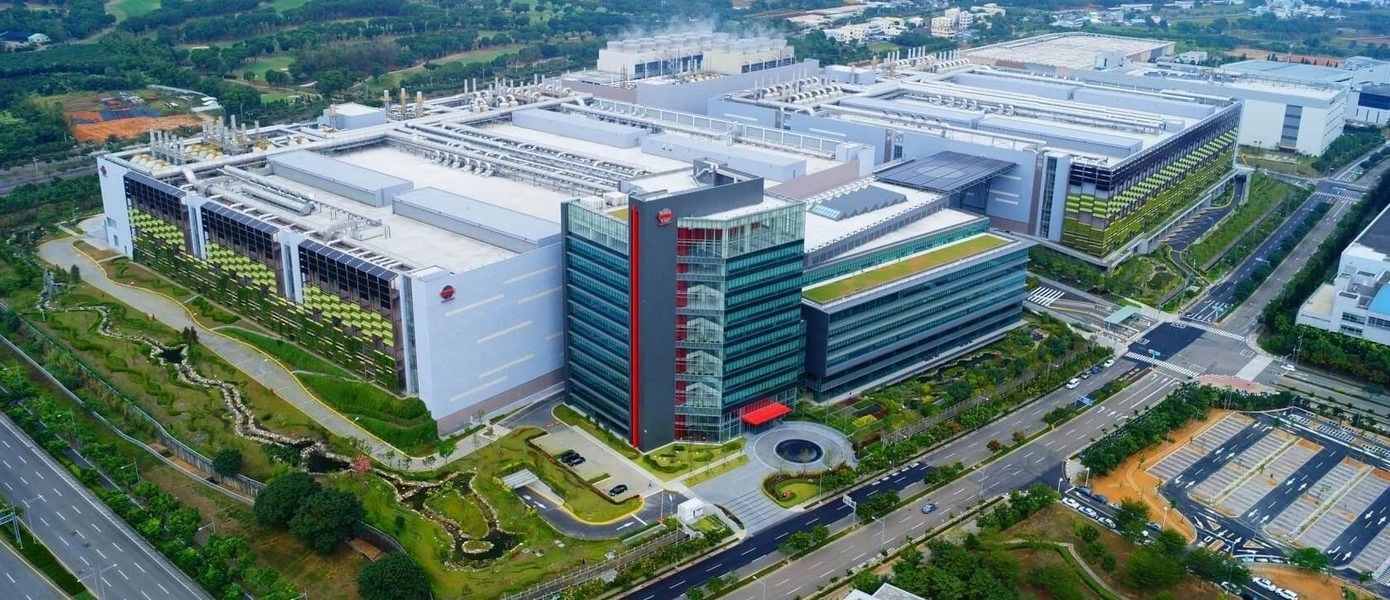
Taiwanese semiconductor giant TSMC (2330.TW) announced that its increased investment in the United States is primarily driven by strong customer demand, with production lines already fully booked for this year and the next two years. CEO C.C. Wei revealed the company’s expansion plans during a press conference at Taiwan’s presidential office on Thursday. Wei emphasized that TSMC’s $100 billion investment plan, unveiled this week, would not affect its ongoing expansion efforts in Taiwan, despite concerns that overseas investments might harm the island’s semiconductor industry.

TSMC, the world’s largest contract chipmaker, plans to construct five additional chip facilities abroad, including in the U.S., Japan, and Germany. This expansion comes in response to demands from major U.S. clients like Apple, Nvidia, and Qualcomm. While TSMC is planning three new production lines in the U.S. over the coming years, it is also set to build 11 new production lines in Taiwan this year, a sign that Taiwan remains crucial to the company’s global operations.

Wei’s comments follow ongoing pressure from former U.S. President Donald Trump, who has criticized Taiwan for taking U.S. semiconductor business and has advocated for bringing semiconductor manufacturing back to U.S. soil. Taiwan President Lai Ching-te assured that Taiwan has not faced external pressure from the U.S. during TSMC’s investment decisions and pledged government support for the company’s domestic expansion.

While Taiwan maintains its dominance in the global semiconductor industry, concerns about over-reliance on the island, particularly amid rising tensions with China, have prompted discussions about diversifying production sites. TSMC’s expansion into the U.S. is seen as a potential solution to address supply chain risks for American technology companies.

Despite these developments, Trump recently called for the repeal of the 2022 bipartisan law that provides $52.7 billion in U.S. subsidies for semiconductor manufacturing, suggesting the funds should instead be used to pay off national debt.