
Yazılar

Europe’s Defence Push Inspires Young Innovators at Amsterdam Hackathon

A hackathon held over the weekend in Amsterdam gathered more than 100 young programmers and engineers, aiming to create fast, affordable battlefield technologies to support Ukraine in its war against Russia. As Europe ramps up military spending in response to U.S. President Donald Trump’s warnings about pulling back NATO commitments, young tech talent is increasingly looking toward defence careers.

Participants of the hackathon, organised by the European Defense Tech Hub (EDTH) and Ukraine’s Brave1 defence accelerator, explored innovations ranging from drones and anti-drone tech to squad radar systems and seismic wave detection for enemy movement. While some attendees arrived with startup ambitions, others were there to network or show solidarity with Ukraine.

Among them was Emil Knutsson, a 24-year-old Swede, who noted a broader generational shift. “Even before the Russian invasion, I was interested in defence. But now, many of my peers are thinking the same way,” he said.

Interest in the event was further fuelled by recent geopolitical developments. According to Benjamin Wolba of EDTH, events like the Munich Security Conference and Trump’s more conciliatory tone toward Russia have created a renewed sense of urgency across Europe to invest in its own security infrastructure.

The hackathon also highlighted how defence innovation is no longer limited to governments or legacy contractors. Attendee Andreas Michaelides, whose team developed a seismic sensor system, said, “Every single one of us can get into this now,” pointing to the democratization of military tech development, especially in software and drone warfare.

Investor interest is also growing. Judge Bram Oostvogel of NUNC Capital, which recently announced a €20 million fund for early-stage defence startups, sees Ukraine as a real-world testing ground for ideas that could plug security gaps across Europe.

“First, you take care of security and safety – not Facebook likes,” Oostvogel said, emphasizing the shift in focus among both investors and innovators as the continent faces rising geopolitical threats.

With more hackathons planned across Europe this year, EDTH sees this as just the beginning of a new wave of grassroots defence innovation.
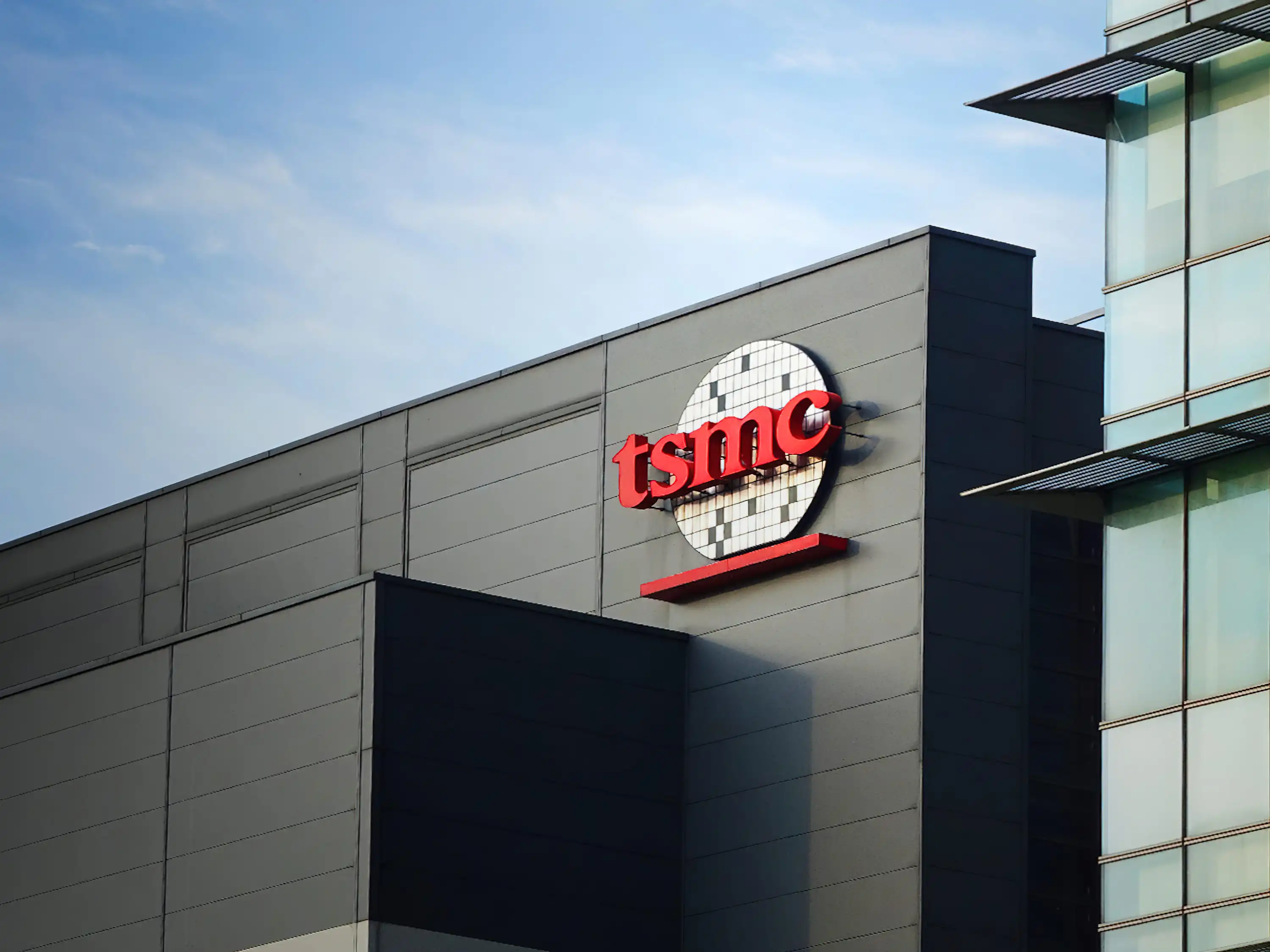
TSMC Reinforces Commitment to Taiwan with New Domestic Fab Amid Global Expansion

Taiwan Semiconductor Manufacturing Company (TSMC) reaffirmed its dedication to its home base with the opening of a new chip manufacturing facility in Kaohsiung, Taiwan. The factory, which will produce the company’s most advanced chips using 2nm technology, is expected to create 7,000 tech jobs on the island. This announcement comes amid concerns that TSMC’s significant investment in the United States could dilute its domestic presence.

TSMC’s executive vice president, Y.P. Chyn, made the remarks during a ceremony at the new fab, highlighting the company’s ongoing commitment to Taiwan even as it expands globally. The new facility is slated to begin volume production of 2nm wafers in the latter half of this year, according to the company’s schedule.

Despite its $100 billion investment plan in the U.S., TSMC and the Taiwanese government have both emphasized that a substantial portion of the company’s production will remain in Taiwan. TSMC, often called Taiwan’s “sacred mountain protecting the country,” plays a pivotal role in Taiwan’s economy, and the company’s officials reassured that Taiwan will continue to be at the heart of its operations.

While Taiwan’s Premier Cho Jung-tai expressed gratitude for TSMC’s assurances, noting that the company will always remain a “national team,” the company has also made clear that it intends to meet the growing demand of global customers, which has driven its expansion.

TSMC’s growing presence in the U.S. follows pressure from U.S. President Donald Trump, who has repeatedly criticized Taiwan’s semiconductor dominance and called for more manufacturing to return to the U.S. The concerns over potential tariff impositions highlight the delicate balance TSMC must strike as it manages its global footprint while maintaining its critical role in Taiwan’s economy.

Wolfspeed’s Shares Plunge to 27-Year Low Amid Uncertainty Over Federal Funding

Shares of Wolfspeed, a prominent chipmaker, dropped by 50% on Friday, hitting their lowest point since 1998. This significant decline stems from uncertainty surrounding the company’s eligibility for federal funding under the U.S. CHIPS Act. Wolfspeed is awaiting approximately $750 million in subsidies promised by the 2022 bipartisan CHIPS Act, which allocated $52.7 billion in federal funds to boost U.S. semiconductor manufacturing.

However, Wolfspeed’s future funding remains in limbo as the company is left vulnerable to changes in the administration’s stance on the law. President Donald Trump has recently voiced opposition to the CHIPS Act, calling for its repeal in favor of using its funds for debt reduction. This has increased concern over the company’s ability to secure the much-needed funds.

Analysts warn that without the CHIPS Act grant, Wolfspeed may face devastating consequences, including the need for major restructuring. The company had hoped the funding would help it accelerate the production of silicon carbide chips, essential for electric vehicles and renewable energy.

As of Friday, Wolfspeed’s shares were trading at $2.72, marking a 59% decline in value for the year. The company has also made changes in leadership, appointing Robert Feurle as CEO, effective May 1. Additionally, Wolfspeed has secured $865 million in tax credits to strengthen its financial position.