Yazılar

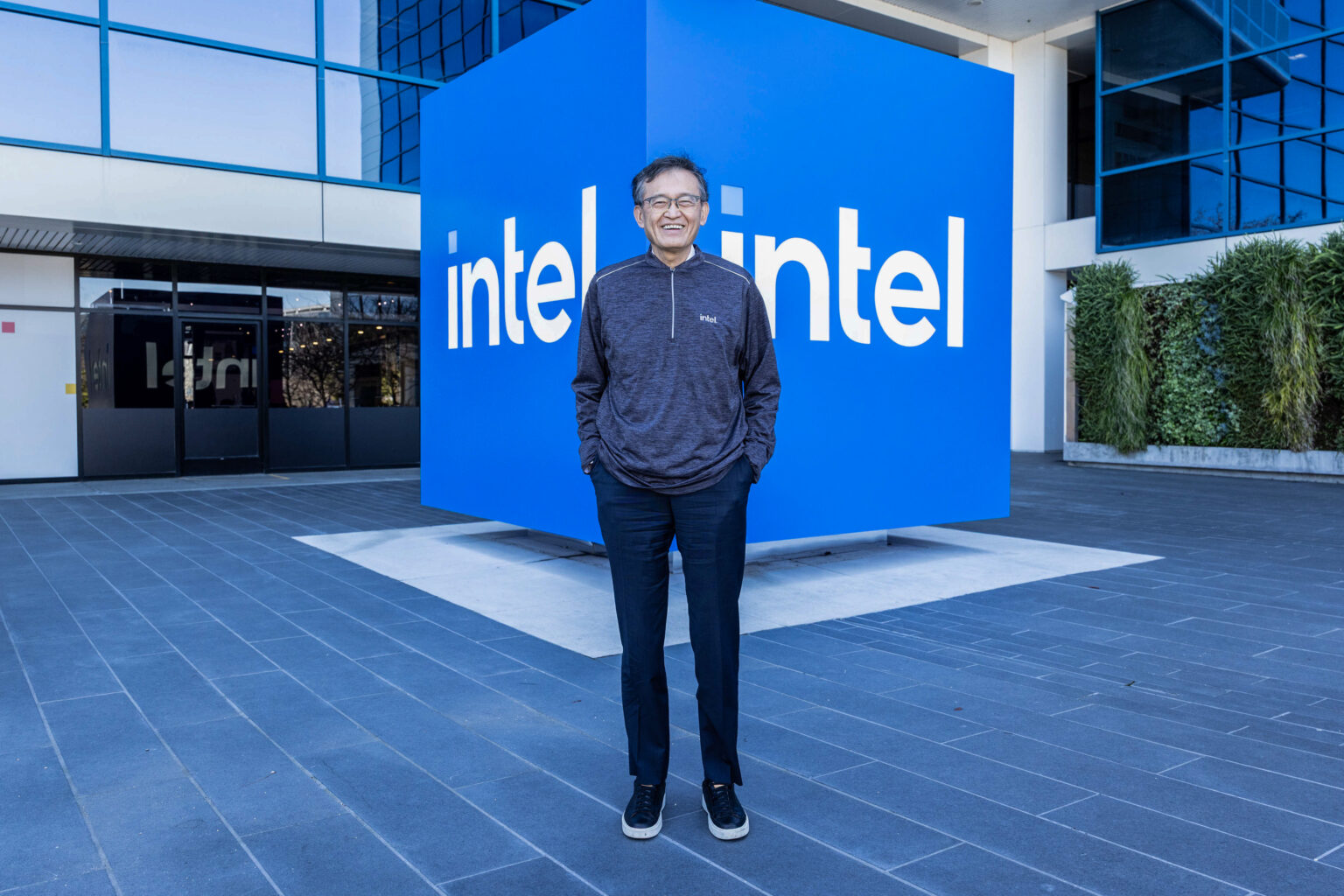
Trump’s Call for Intel CEO Lip-Bu Tan’s Resignation Sparks Mixed Reactions

U.S. President Donald Trump has called for the immediate resignation of Intel CEO Lip-Bu Tan, citing concerns over his extensive investments in Chinese technology companies — including at least eight with reported links to China’s People’s Liberation Army. The demand comes just months after Tan took over leadership of the struggling semiconductor giant.

According to an April Reuters investigation, Tan’s decades-long career includes hundreds of investments in Chinese firms, both personally and through venture funds he founded. On Wednesday, Reuters also reported that Senator Tom Cotton had raised questions about Tan’s ties to China and a recent criminal case involving his former company, Cadence Design Systems.

Reactions from analysts and investors have been sharply divided. Some view Tan’s knowledge of China’s semiconductor industry as an invaluable asset for Intel and the U.S., while others see Trump’s intervention as a sign of escalating political pressure and market uncertainty.

Key reactions:

  • Anshel Sag, Moor Insights & Strategy – Criticized Trump’s call, arguing that Tan’s deep understanding of China’s semiconductor capabilities could benefit Intel and the U.S., making him more valuable rather than less.

  • David Wagner, Aptus Capital Advisors – Said Trump’s move reflects his broader push to bring business back to the U.S., noting the momentum from the recent Apple deal.

  • Ryuta Makino, Gabelli Funds – Suggested Trump’s motives may be tied to Intel’s manufacturing strategy and possible deals with TSMC, calling it “very much a political move.”

  • Blake Anderson, Carson Group – Warned that such political disputes highlight Intel’s reliance on external factors for its manufacturing turnaround, increasing long-term uncertainty.

  • Shiraz Ahmed, Sartorial Wealth – Noted that Trump has a history of publicly criticizing corporate leaders and predicted it will not be the last such intervention.

  • Phil Blancato, Ladenburg Thalmann – Called it a troubling precedent for presidents to dictate corporate leadership, but acknowledged Trump’s opinion carries weight. He added that Intel’s problems extend beyond its CEO and require “real, radical change.”

The Intel board has yet to respond publicly, but the controversy underscores the growing intersection of geopolitics and corporate governance in the U.S. technology sector.
Trump Announces Proposed 100% Tariff on Imported Semiconductors, With Exemptions for U.S.-Based Manufacturers

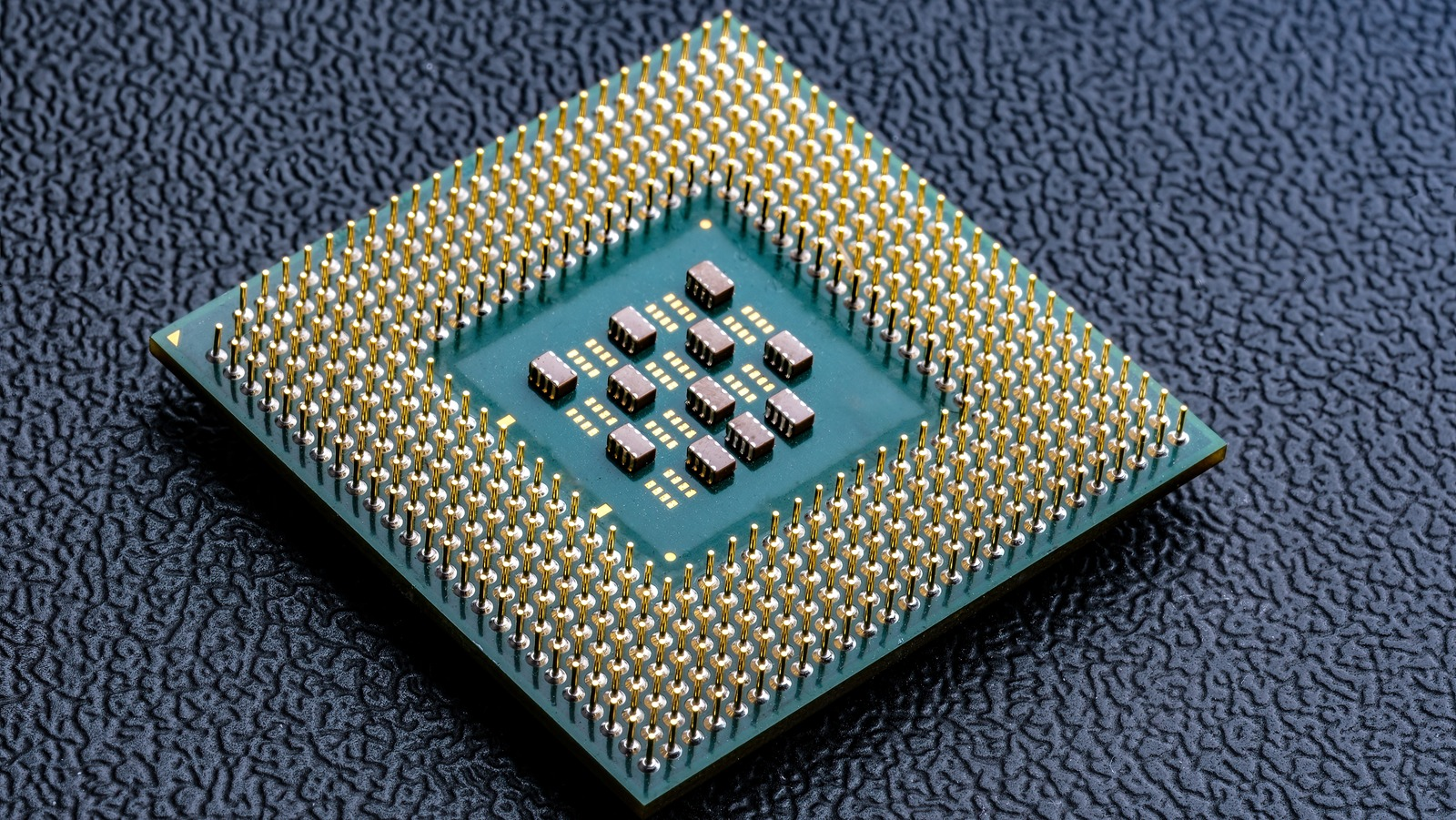
President Donald Trump announced plans to impose a roughly 100% tariff on imported semiconductor chips, aiming to incentivize companies to manufacture in the United States. However, firms that have committed to or are already producing chips on U.S. soil—such as Apple, which pledged an additional $100 billion investment in America—would be exempt from the tariff.

Trump warned that companies making false commitments to build U.S. factories would face retroactive charges if they fail to deliver. His remarks were informal and details on implementation remain unclear, with a formal national security investigation on tariffs expected to conclude by mid-August.

Reactions from the global semiconductor industry and governments varied. South Korea’s trade envoy confirmed that major chipmakers Samsung Electronics and SK Hynix will be exempt under a U.S.-South Korea trade deal. In contrast, officials from the Philippines and Malaysia expressed concern that tariffs would severely harm their industries, risking competitiveness in the U.S. market.

Taiwanese companies, notably TSMC, which have established U.S. manufacturing facilities or partnerships, are expected to avoid significant impact. This benefits key U.S. customers like Nvidia, which plans major investments in American chip production.

Experts note that the tariffs favor large, financially strong firms able to build factories domestically, emphasizing a “survival of the biggest” dynamic. The U.S. government has supported this shift with a $52.7 billion semiconductor subsidy program to boost domestic chip production, which currently accounts for about 12% of global output, down from 40% in 1990.

The European Union has agreed to a 15% tariff on most U.S. exports, including chips, and Japan secured assurances against worse tariffs than other nations on semiconductor products.

Following the announcement, shares of Asian chipmakers with U.S. manufacturing plans rose significantly, reflecting market optimism over tariff exemptions.

Trump Extends Deadline for US TikTok Sale to September

U.S. President Donald Trump on Thursday extended the deadline to September 17 for ByteDance, the China-based parent company of TikTok, to divest the app’s U.S. assets. This extension comes despite a law requiring the sale or shutdown of TikTok in the U.S. without significant progress.

Trump signed an executive order delaying the original deadline, which was set for Thursday, by 90 days—a move he had previously indicated.

The Republican president had already granted two extensions earlier, postponing enforcement of a law that mandated TikTok’s sale or shutdown by January, unless significant progress was made toward divestment.

Trump has expressed a desire to keep TikTok operational in the U.S., noting the app helped him gain young voters in the 2024 presidential election. He also voiced optimism that Chinese President Xi Jinping would approve a deal preserving TikTok’s presence in the U.S., although it is unclear how much the issue has been discussed amid ongoing tariff disputes between the two countries.

TikTok released a statement expressing gratitude for Trump’s support in keeping the app available. The company said it is continuing discussions with U.S. Vice President JD Vance’s office.

White House spokeswoman Karoline Leavitt told reporters that the extension provides “more time to make a good deal.” She added that legal experts at the White House and Department of Justice support the extension’s legality.

On Tuesday, Trump had indicated he would likely extend the deadline and expressed hope for China’s approval of the sale. “I think President Xi will ultimately approve it,” he said.

The 2024 law required TikTok to cease operations in the U.S. by January 19 unless ByteDance had divested U.S. assets or made substantial progress toward a sale. Trump, who began his second term on January 20, chose not to enforce the law and previously extended the deadline twice: once to early April and again last month to June 19.

Earlier this year, Trump offered to reduce tariffs on China to facilitate a deal for TikTok’s U.S. operations, which currently serve 170 million Americans. A planned deal would spin off TikTok’s U.S. business into a new company majority-owned by U.S. investors but was paused after China indicated it would not approve it amid tariff tensions.

Some Democratic lawmakers argue that Trump lacks legal authority to extend the deadline and question whether the proposed deal would comply with legal requirements.