Yazılar

Trump’s AI plan backs antitrust scrutiny, DOJ official says

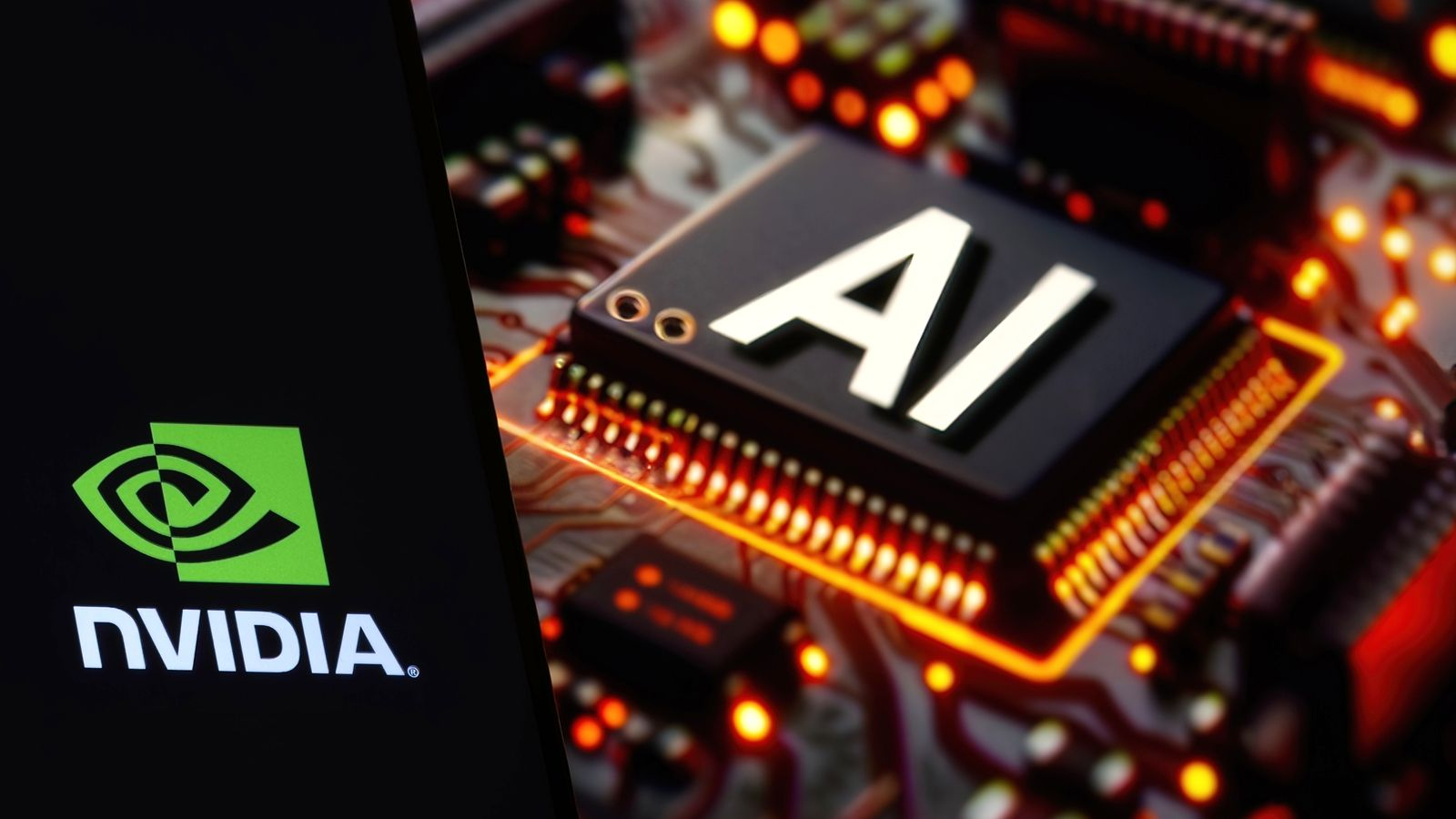
U.S. antitrust authorities are closely watching the artificial intelligence industry for anticompetitive practices as part of the Trump administration’s broader push to secure American leadership in AI, a senior Justice Department official said on Thursday.

Speaking at Fordham University, Assistant Attorney General Gail Slater emphasized that protecting competition in the AI sector is key to fostering innovation. “The competitive dynamics of each layer of the AI stack and how they interrelate, with a particular eye towards exclusionary behavior that forecloses access to key inputs and distribution channels, are legitimate areas for antitrust inquiry,” she said.

One major focus will be access to data. Slater noted that a judge in Washington recently ordered Alphabet’s Google (GOOGL.O) to share some search data with rivals, including AI firms, to strengthen competition in online search. Google has said it will appeal the ruling.

Slater added that demand for data could fuel vertical integration—mergers between companies and their suppliers—especially in sensitive areas such as healthcare. “We may also increasingly see the desire to acquire data, or to deprive rivals of data, play a role in driving transactions,” she said.

Open-source AI models are another area of interest. Slater said such models can enhance competition, but stressed that “a truly open-source model must be one that is not unilaterally maintained by a single vendor that exerts unwarranted influence and impose restrictions.”

Concerns about AI competition were also voiced during President Joe Biden’s administration, which scrutinized Big Tech’s partnerships with AI startups. Trump’s AI plan, however, explicitly ties antitrust enforcement to the goal of strengthening U.S. dominance in the sector.

U.S. Investigates Malware Email Linked to China Targeting Trade Talks

U.S. authorities are probing a malware-laden email disguised as coming from Republican Representative John Moolenaar, aimed at infiltrating organizations connected to U.S.-China trade negotiations, the Wall Street Journal reported Sunday.

The July email was sent to trade groups, law firms, and government agencies, asking recipients to review draft legislation. Cyber analysts traced the malware to APT41, a hacking group widely believed to be linked to Chinese intelligence. Opening the attachment would have given hackers deep access to the targets’ systems.

Moolenaar, a vocal critic of Beijing and chair of a congressional committee on U.S.-China competition, said the incident was “another example of Chinese cyber operations aimed at stealing U.S. strategy,” adding: “We will not be intimidated.”

The attack coincided with sensitive trade talks in Sweden, which temporarily extended a tariff truce between Donald Trump and Xi Jinping until their expected November meeting at an Asian economic summit.

The Chinese embassy in Washington denied knowledge of the incident, stressing opposition to all cyberattacks while warning against “smearing others without solid evidence.”

The FBI confirmed it is working with partners to track those responsible. Meanwhile, the Capitol Police are investigating after staff on Moolenaar’s committee noticed unusual inquiries about the fake message.

The episode adds to mounting evidence of Beijing-linked cyber campaigns targeting U.S. institutions to gain insight into trade and national security deliberations.

Trump to Hit Semiconductor Imports with Tariffs Unless Firms Build in U.S.

President Donald Trump announced Thursday that his administration will impose tariffs on semiconductor imports from companies that do not move production to the United States. Speaking ahead of a dinner with top tech CEOs, Trump said the tariffs would be “fairly substantial” but would not apply to companies already investing in U.S. manufacturing.

Trump framed the move as part of his broader strategy of using tariffs to pressure foreign companies and governments to shift production and jobs into the U.S. “If they are not coming in, there is a tariff,” he said. He singled out Apple CEO Tim Cook, noting that Apple’s $600 billion commitment to domestic investment puts it “in pretty good shape.”

The policy comes as global chipmakers respond to U.S. pressure. Taiwan’s TSMC, South Korea’s Samsung, and SK Hynix have all announced major U.S. semiconductor plant investments. Trump had previously floated a 100% tariff on imported chips but said exemptions would apply for companies producing or planning facilities inside the country.

The announcement underscores Trump’s second-term emphasis on tariffs as a cornerstone of economic and foreign policy, a tool he has wielded to renegotiate trade terms and gain leverage in geopolitical disputes. However, legal challenges loom: lower courts have invalidated parts of his earlier tariff regime, and the administration has asked the Supreme Court to uphold the sweeping emergency powers used to justify them.