Yazılar

Trump–Xi call breathes life into TikTok U.S. asset sale talks

A call between U.S. President Donald Trump and Chinese President Xi Jinping has revived hopes for a deal that would see ByteDance divest TikTok’s U.S. assets, though key details remain unsettled.

Trump posted on Truth Social that he appreciated Xi’s “approval of the TikTok deal,” though China’s readout stopped short of endorsing a sale. Beijing instead emphasized respect for market-based negotiations that comply with Chinese law. Analysts said the difference in tone suggests both leaders want to project progress while keeping leverage in ongoing talks.

The tentative breakthrough comes after months of deadlock. Congress mandated ByteDance sell TikTok’s U.S. assets by January 2025 or face a nationwide ban, but Trump has repeatedly extended deadlines, citing TikTok’s popularity with American voters and its political value. The latest extension runs until December 19.

Still, major hurdles remain: the ownership structure, the degree of Chinese control over TikTok’s algorithm, and whether Congress will sign off. Reuters has reported that any U.S. version of TikTok under new ownership would likely continue using ByteDance’s algorithm, a sticking point for lawmakers worried about data security and influence operations.

China blocked a similar deal earlier this year amid trade tensions, and experts say it may do so again if U.S. demands cross Beijing’s red lines. “The contours of the conversation better align with China’s interests than U.S. interests,” said Scott Kennedy of CSIS, noting structural reforms were not on the table.

Wendy Cutler of the Asia Society Policy Institute called the talks “positive and constructive” but stressed that the algorithm question remains unresolved.

For now, the deal remains fragile: Beijing wants to protect its tech assets, Washington wants to claim victory on national security, and Trump is balancing political calculations against congressional pressure. Months of negotiations still lie ahead.
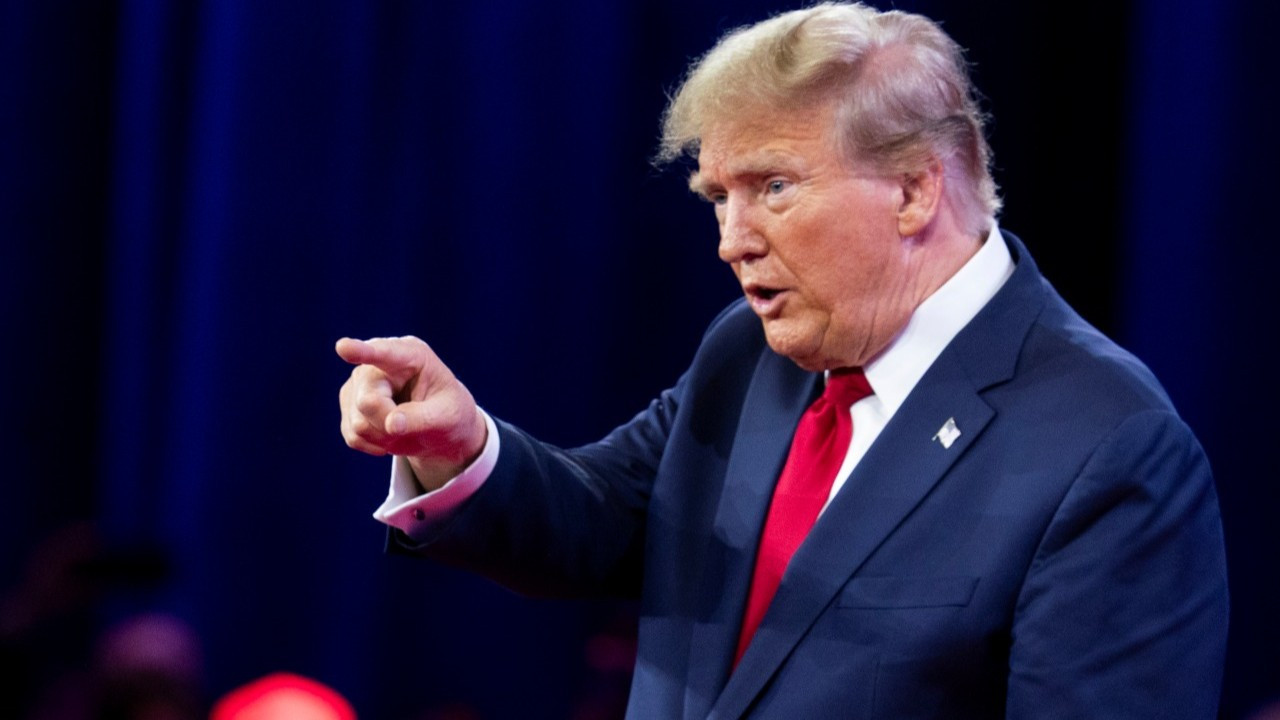
Analysts weigh in on Trump–Xi call over trade and TikTok

A phone call between U.S. President Donald Trump and Chinese President Xi Jinping on Friday eased tensions but left major issues unresolved, particularly the fate of TikTok and broader trade negotiations. Analysts say the call highlighted China’s confidence in playing the long game, while the U.S. appeared eager to keep talks alive.

Scott Kennedy (CSIS) noted that neither side announced a firm deal, suggesting negotiations are ongoing or that leaders are holding back until more comprehensive progress is made. He argued China feels “relatively unthreatened” and that the talks are unfolding on Xi’s terms.

Bonnie Glaser (German Marshall Fund) observed Trump’s readout was more explicit about TikTok, while Xi avoided Taiwan—perhaps reassured by recent U.S. decisions to delay arms sales and downgrade Taiwan-related engagements.

Craig Singleton (FDD) warned that China may be using summit diplomacy to stall U.S. competitive measures while extracting concessions. He said Beijing is trading symbolic gestures, like fentanyl actions, for relief on tariffs and tech controls, with Washington “hungry for a summit” more than China.

William Yang (ICG) emphasized that Beijing wants U.S. export controls lifted, particularly on advanced chips, before committing to bigger trade deliverables. He said China is betting Trump’s desire for a deal will push him toward concessions, while holding leverage in rare earth supply chains.

Danny Russel (Asia Society) downplayed the outcomes, calling the TikTok reference the only semi-concrete result, while noting the deferral of Trump’s China visit shows how slowly negotiations are moving.

Patrick Cronin (Hudson Institute) framed the call as a temporary easing of rivalry, giving both leaders economic “breathing space” while masking deeper great-power competition beneath the surface.

Ali Wyne (ICG) highlighted the prospect of three in-person meetings—at APEC in South Korea, a Trump trip to China next year, and an eventual Xi visit to the U.S.—calling the sustained engagement welcome, even if no breakthrough on TikTok emerged.

Overall, analysts see Beijing as confident, patient, and willing to leverage time and resources, while Washington seeks symbolic wins to show progress, leaving the TikTok deal and trade negotiations hanging in limbo.

Trump jokes about AI “taking over the world” as U.S. and U.K. sign tech deal

U.S. President Donald Trump, speaking alongside U.K. Prime Minister Keir Starmer in London, quipped that artificial intelligence was “taking over the world” and admitted he hoped tech leaders understood it better than he did. The remarks came during Trump’s second state visit to Britain, at an event attended by Nvidia CEO Jensen Huang and other industry figures.

Departing from prepared remarks on the strength of U.S.-U.K. relations and new tech investments, Trump turned to Huang with a laugh: “Jensen, I don’t know what you’re doing here. I hope you’re right. All I can say is, we both hope you’re right.” His comments drew laughter from Starmer and the audience.

The two leaders signed a “Tech Prosperity Deal”, pledging deeper cooperation on artificial intelligence, quantum computing, and civil nuclear projects. Under the agreement, Nvidia will deploy 120,000 GPUs across Britain, marking its largest European rollout to date.

Trump, characteristically playful, joked with Treasury Secretary Scott Bessent before signing: “Should I sign this? If the deal’s no good, I’m blaming you, Scott.”

The partnership aims to strengthen transatlantic research and industry collaboration while addressing the disruptive potential of AI—a technology Trump acknowledged as both transformative and unsettling.