Yazılar

China, Trump Signal Cautious Optimism for Renewed US-China Cooperation Amid Tough Rhetoric

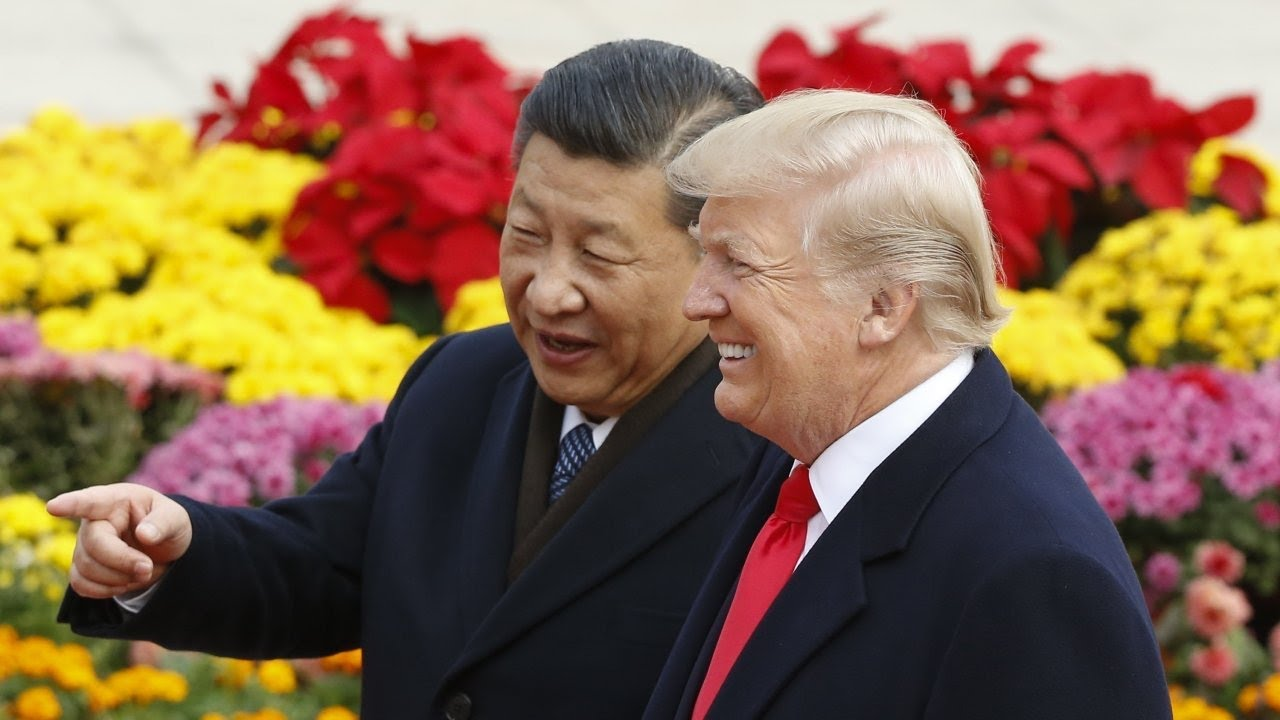
China’s top diplomat, Foreign Minister Wang Yi, expressed hope on Tuesday that the incoming Trump administration would collaborate with Beijing “in a mutually beneficial manner” despite ongoing tensions. Wang’s comments came hours after Donald Trump remarked that the COVID-19 pandemic had strained his relationship with Chinese President Xi Jinping, whom he once considered a “friend.”

“We hope the new U.S. administration will make the right choice and work with China to remove disruptions and overcome obstacles,” Wang stated during a forum in Beijing, according to his ministry’s statement.

Trump, addressing reporters at his Mar-a-Lago resort, reflected on his past relations with Xi, acknowledging the pandemic as a breaking point. “We had a very good relationship until COVID,” Trump said. “COVID didn’t end the relationship, but it was a bridge too far for me.” Trump avoided confirming whether Xi would attend his inauguration but emphasized the importance of U.S.-China ties: “China and the United States can together solve all of the problems of the world.”

Trump’s Second Term Agenda and Beijing’s Strategy

Trump has signaled a more confrontational stance toward China as he prepares for his second term. His campaign promises include imposing a 10% tariff on Chinese goods and additional levies exceeding 60% to pressure China on issues like stopping fentanyl exports to the U.S. Trump has also pledged to revoke China’s most-favored-nation trade status—a move that could reshape bilateral trade dynamics.

In response, analysts suggest China is preparing to amass bargaining chips to engage with Trump’s administration on contentious issues such as trade, technology, and investment. Beijing has shown readiness to push back, with Wang Yi emphasizing China’s firm stance: “We firmly oppose the illegal and unreasonable suppression of China by the U.S., particularly on matters like Taiwan.”

Sanctions and Hard-Line Appointments

The diplomatic environment remains volatile as Trump’s choice of China hawks for key positions signals an aggressive approach. Republican Senator Marco Rubio, Trump’s nominee for Secretary of State, remains under Chinese sanctions imposed in 2020. Rubio’s prior criticism of Beijing raises questions about how his role would affect bilateral engagement.

China’s move to quietly remove a January 2021 statement sanctioning 28 Trump administration officials from its foreign ministry website has further fueled speculation. When asked about this development, Chinese Foreign Ministry spokesperson Lin Jian declined to comment, stating he had “no information to offer.”

Mutual Posturing, Cautious Optimism

Despite the confrontational rhetoric, both sides have hinted at opportunities for collaboration. Trump’s remarks acknowledged the global importance of U.S.-China cooperation, while China continues to position itself for negotiations that balance engagement with resistance to U.S. policies it deems provocative.

As Trump prepares for a second term, Beijing appears both prepared to push back against hard-line policies and cautiously optimistic about finding common ground to stabilize bilateral relations.
 

G20 Summit Kicks Off with Global Pact to Fight Hunger and Poverty

Global Alliance Against Hunger and Poverty

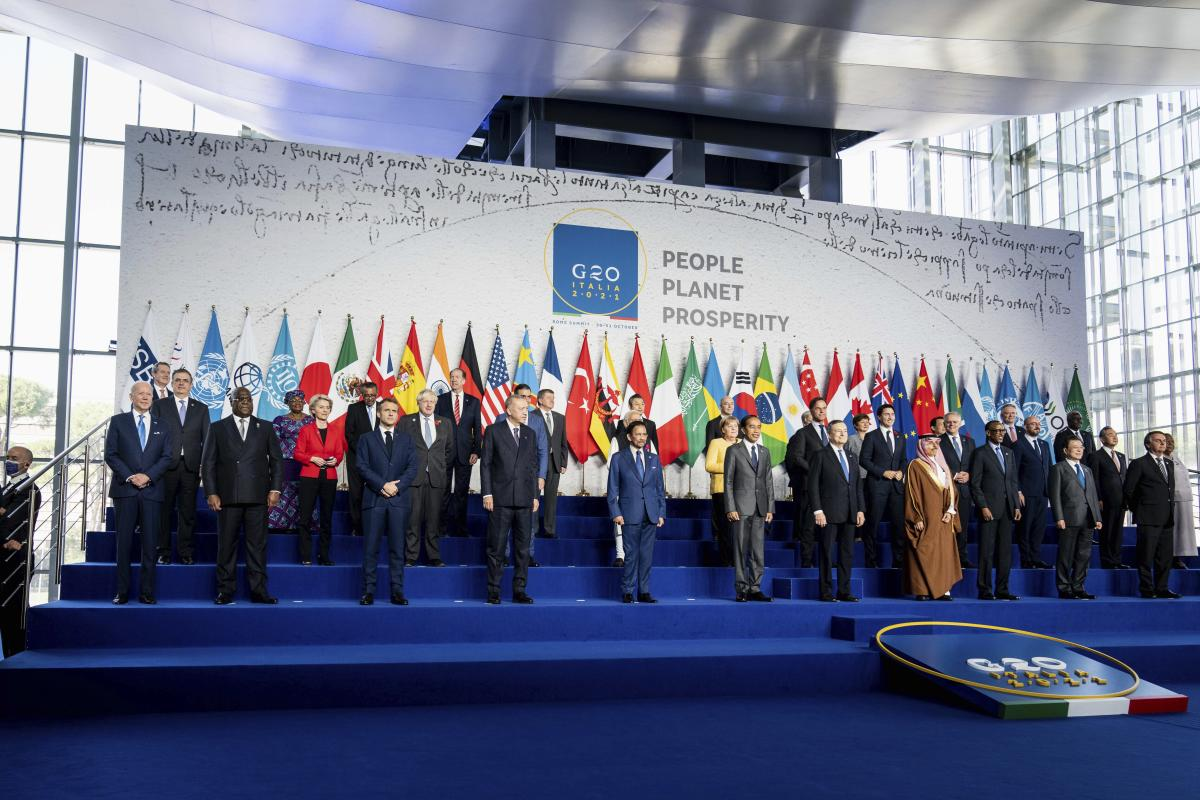
Brazil’s President Luiz Inacio Lula da Silva opened the Group of 20 (G20) summit on Monday with the launch of a groundbreaking global alliance aimed at combating hunger and poverty. A total of 81 countries have agreed to support this initiative, which emphasizes coordinated efforts to address these challenges globally.

  • Alliance Backed by Major Entities: The alliance is supported by the African Union, European Union, international organizations, development banks, and major philanthropies such as the Rockefeller Foundation and the Bill & Melinda Gates Foundation.
  • Lula’s Message: In his opening remarks, Lula, who rose from poverty and organized a metalworkers union, stressed that hunger and poverty are political decisions, not the result of scarcity or natural events.

G20 Agenda Amid Global Shifts

As leaders gathered in Rio de Janeiro for two days of talks, their discussions on trade, climate change, and international security are expected to clash with shifting U.S. policies under President-elect Donald Trump.

  • U.S. Policy Changes: Trump’s stance on tariffs, the war in Ukraine, and other issues is set to reshape the global agenda once he takes office in January.
  • Escalating Ukraine Conflict: A recent Russian airstrike on Ukraine and a new U.S. decision to allow Ukraine to use U.S. weapons to target deeper into Russia have created challenges for diplomats trying to reach consensus on the war.

Tensions and Security Concerns in Rio

Security in Rio has been heightened with the presence of Brazilian troops and police reinforcements. Despite this, a Brazilian army patrol came under gunfire near a slum in Rio de Janeiro, though no one was injured.

  • Geopolitical Tensions: Amid these tensions, the summit is being held against the backdrop of escalating conflicts in Gaza and Ukraine, with discussions focused on the global governance system and economic inequalities.

New White House Priorities and China’s Role

While U.S. President Joe Biden is seen as a lame duck with only two months left in office, China’s President Xi Jinping is poised to play a central role at the summit.

  • Biden’s Contributions: Biden is expected to announce a significant pledge to the World Bank’s International Development Association fund and launch a clean energy partnership with Brazil.
  • China’s Economic Influence: Xi is expected to promote China’s Belt & Road initiative, although Brazil has opted not to join.
  • U.S.-China Tensions: The G20 summit’s trade talks are also set to be impacted by Trump’s plans to escalate the U.S.-China trade war.

Brazil’s Push for Reform Faces Obstacles

Brazil’s efforts to push for reform in global governance and multilateral financial institutions could face challenges under Trump’s administration, particularly in areas like taxing the super-rich, an issue close to Lula’s agenda.

  • Opposition from Allies: Argentine President Javier Milei, a new ally of Trump in Latin America, has already rejected including a mention of taxing the wealthy in the summit’s joint communique.

Russia Defense Chief Touts ‘Common Understanding’ with China in Beijing Talks

Russian and Chinese defense officials pledged to bolster their military cooperation during a series of meetings in Beijing this week, highlighting deepening ties between the two countries in the face of shared tensions with the West.

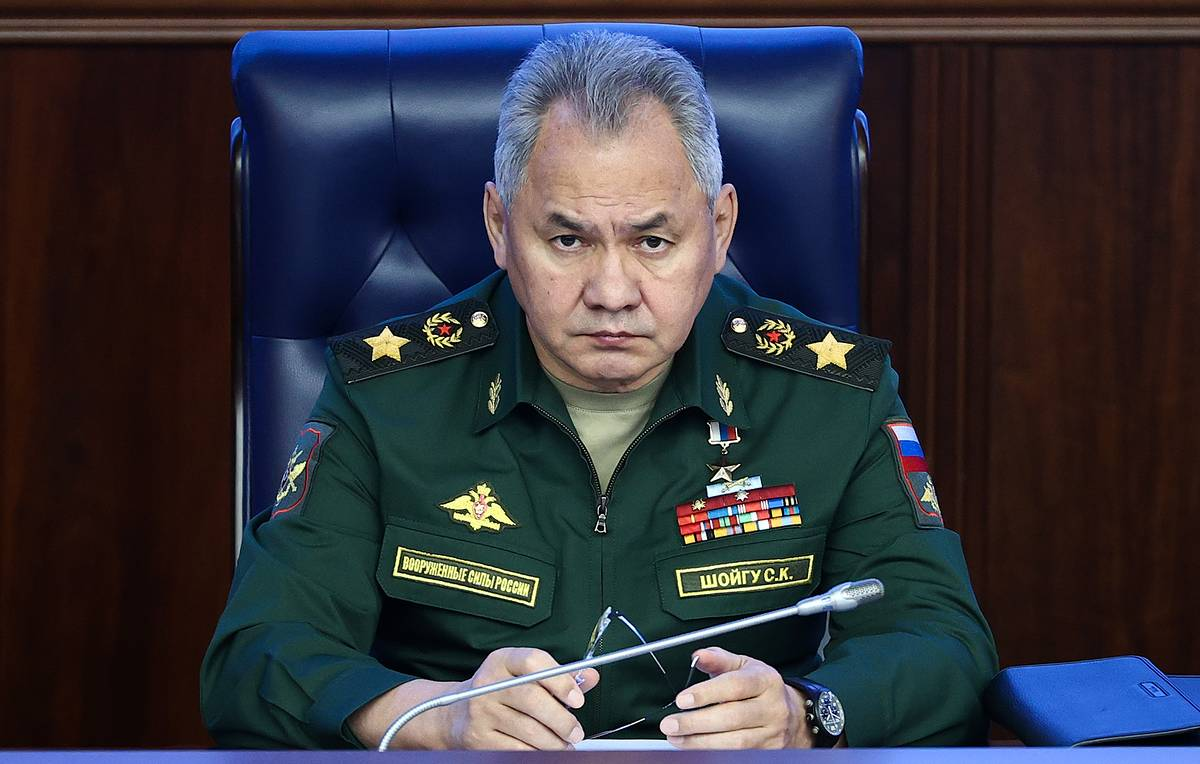
Russian Defense Chief Andrey Belousov emphasized the alignment between Russia and China, stating that the two countries share “common views, a common assessment of the situation, and a common understanding of what we need to do together” during talks with Zhang Youxia, vice chairman of China’s Central Military Commission. According to Russian state media Tass, the officials discussed plans to further “strengthen and develop” their strategic partnership.

Belousov’s visit, his first to China since his appointment in May, comes just ahead of an anticipated trip by Chinese leader Xi Jinping to Russia, where he is expected to attend a BRICS summit in Kazan next week. The BRICS group, composed of Brazil, Russia, India, China, and South Africa, has emerged as an economic bloc that Moscow and Beijing promote as a counterbalance to the US-led Group of Seven (G7).

Strengthening Military Relations

During the meeting on Tuesday, Zhang reiterated a familiar message from both Xi and Russian President Vladimir Putin, calling for deeper military cooperation. According to China’s Ministry of Defense, the two sides agreed to continue expanding military relations and emphasized their commitment to safeguarding each country’s national sovereignty, security, and development interests.

Belousov’s discussions in China also included talks with Chinese Defense Minister Dong Jun, and both sides stressed the importance of furthering joint military operations, particularly in light of recent security challenges from Western powers.

Growing Sino-Russian Security Cooperation

Russia and China have increasingly cooperated on security and military matters, staging numerous joint military drills in recent months. These actions are seen by experts as a way for both countries to show that they are not isolated, despite tensions with the United States and its allies.

The growing military coordination comes amid accusations from Washington that Beijing is assisting Russia’s war efforts by supplying dual-use technologies like microelectronics. China has defended its trade with Russia as “normal” and insists that it remains neutral in the ongoing conflict between Russia and Ukraine.

High-profile joint military activities in recent weeks include joint patrols by Chinese and Russian coast guards in the Arctic Ocean and anti-submarine warfare exercises in the northwestern Pacific Ocean. One notable joint exercise took place near Alaska, where US and Canadian forces intercepted Russian and Chinese bombers together for the first time.

This cooperation signals an effort to project military strength and unity as global geopolitical tensions rise, particularly over issues like the South China Sea, where Beijing asserts extensive territorial claims, and Taiwan, which China views as part of its territory despite the island’s self-governance.

Taiwan Tensions

Belousov’s visit to China coincided with a record number of Chinese warplanes flying around Taiwan during large-scale military drills. These drills were labeled as a “stern warning” by Beijing against pro-independence forces in Taiwan, just days after Taiwan’s new president, Lai Ching-te, vowed to defend the island’s sovereignty in a speech. China claims Taiwan as part of its territory and has increased military pressure around the island in recent years.

The growing security cooperation between China and Russia, paired with their military exercises near sensitive regions like Taiwan and Alaska, underscores the broader strategic alignment between the two countries as they face growing resistance from Western nations.

Broader Diplomatic Implications

Xi’s expected trip to Russia next week will be his second visit to the country since Putin launched the invasion of Ukraine in February 2022. This will mark the fifth face-to-face meeting between the two leaders during this period, highlighting their close diplomatic relationship amid global challenges.

The high-level meetings and intensified military cooperation between the two countries continue to draw close scrutiny from the US and its allies, particularly as they watch how China positions itself concerning the war in Ukraine and its broader ambitions in the Indo-Pacific region.