Yazılar

Taiwan’s President Asserts China Cannot Be Its Motherland, Sparking Controversy

Taiwan’s President, Lai Ching-te, has declared that it is “absolutely impossible” for Communist China to be considered Taiwan’s motherland, citing Taiwan’s longer-established government in a move that reinforces the historical rivalry between the two entities. His comments, delivered during a concert ahead of Taiwan’s national day, highlighted Taiwan’s distinct identity and the ongoing rejection of Beijing’s claims over the island.

Lai, who has consistently supported Taiwan’s sovereignty, pointed out that Taiwan, officially the Republic of China (ROC), predates the People’s Republic of China (PRC) by several decades. The ROC, founded in 1912 after a revolution that overthrew China’s Qing dynasty, relocated its government to Taiwan in 1949 following the Chinese Civil War and the rise of the Communist Party under Mao Zedong. In contrast, the PRC, established in Beijing in 1949, has never controlled Taiwan but continues to claim it as a breakaway province.

During his speech, Lai underscored Taiwan’s unique status: “Our neighbor, the People’s Republic of China, just celebrated its 75th birthday on October 1. In a few days, the Republic of China will celebrate its 113th birthday.” This comparison was met with applause from the audience in Taipei, reinforcing Lai’s stance that the PRC cannot be Taiwan’s motherland. He even humorously suggested that the ROC could be the motherland of Chinese citizens over 75 years old.

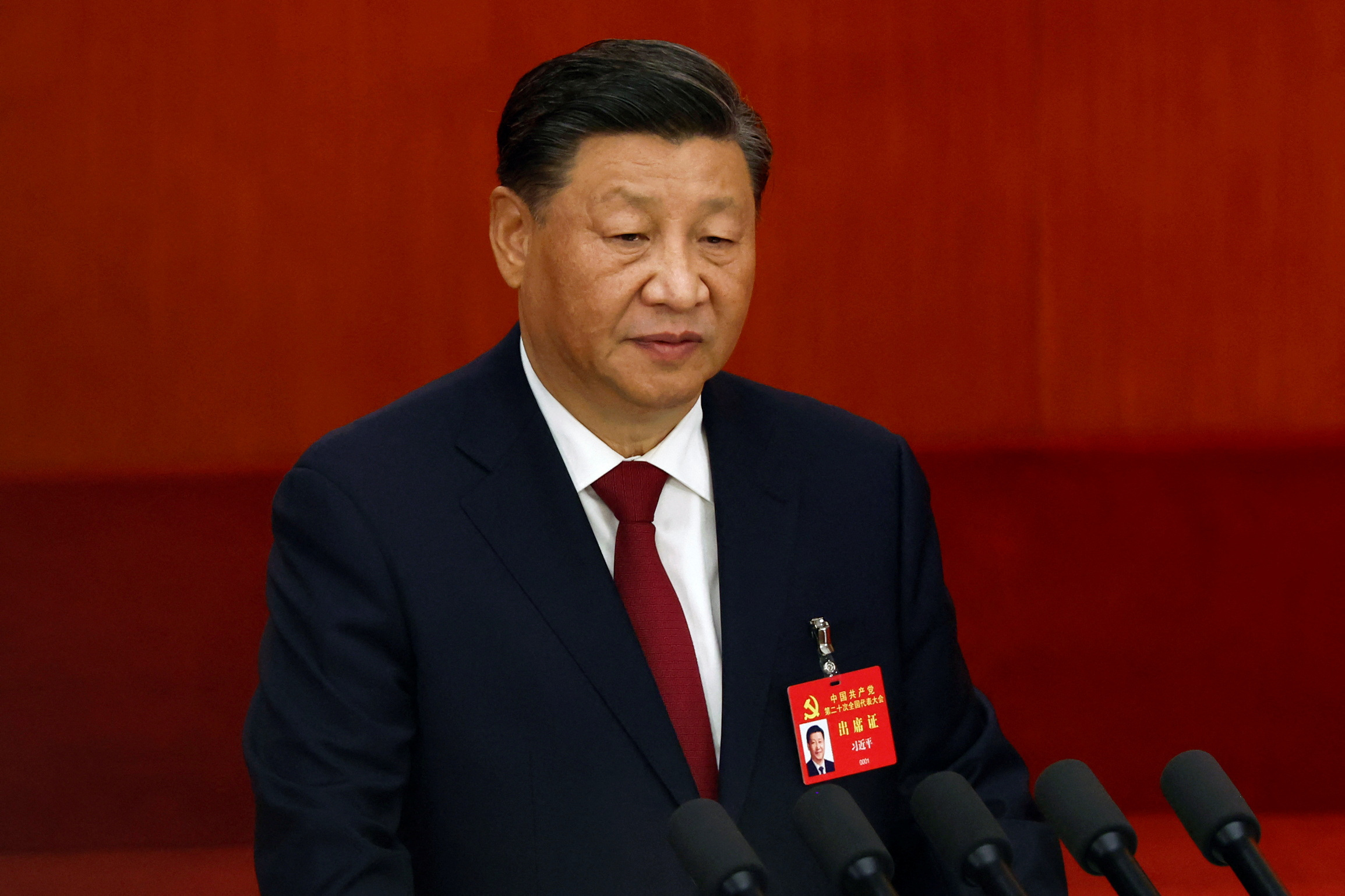
Beijing has yet to respond to Lai’s remarks, which come at a time of heightened tensions. China’s leaders, particularly under President Xi Jinping, have intensified efforts to bring Taiwan under Chinese control, even threatening military action if necessary. Xi has reiterated his determination to achieve reunification, viewing it as an “irreversible trend” and a “common aspiration of the people.”

Lai’s comments have drawn criticism domestically, particularly from the Kuomintang (KMT), Taiwan’s main opposition party. The KMT has accused Lai’s Democratic Progressive Party (DPP) of unnecessarily provoking China. KMT city councillor Ling Tao remarked on social media that Lai’s references to the PRC and his “motherland theory” were intended to stoke political confrontation between Taipei and Beijing.

The KMT, once intent on reclaiming mainland China, has since evolved to support closer ties with Beijing, favoring a more pragmatic approach toward cross-strait relations. Meanwhile, Lai’s DPP maintains a more assertive stance on Taiwan’s sovereignty, further intensifying the political divide within Taiwan.

Beijing’s aggressive posture toward Taiwan, paired with Lai’s defiant rhetoric, has raised concerns of a potential military conflict in the region. Lai’s upcoming national day address is expected to further clarify Taiwan’s position as tensions with China continue to simmer.
China and North Korea Mark 75th Anniversary of Diplomatic Ties with Vows of Cooperation

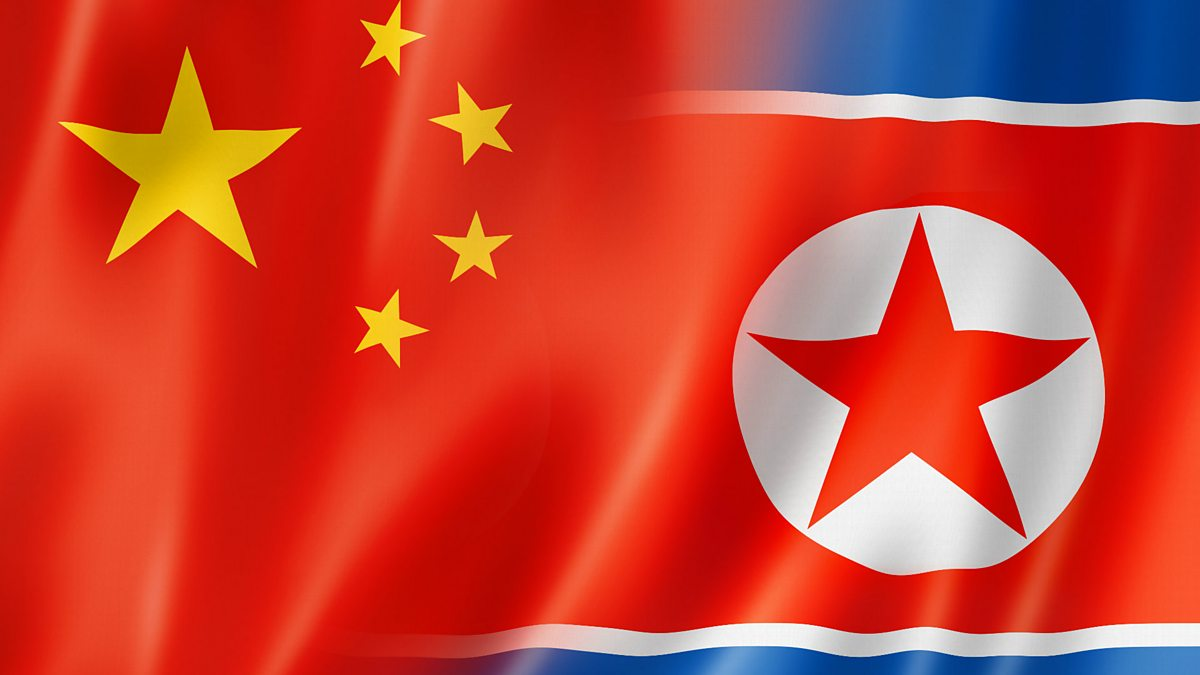
China and North Korea reaffirmed their long-standing relationship on Sunday, marking the 75th anniversary of diplomatic relations between the two nations. Both China’s President Xi Jinping and North Korean leader Kim Jong Un expressed their commitment to strengthening bilateral cooperation, according to North Korea’s state news agency KCNA.

President Xi Jinping emphasized the importance of China-DPRK ties, pledging to enhance communication and collaboration to “write a new chapter” in their relationship. The two countries have deep historical ties, with China being North Korea’s most significant trading partner and supporter, dating back to China’s involvement in the Korean War (1950-1953), which resulted in the division of the Korean Peninsula.

However, China has expressed some reservation in recent months as Kim Jong Un has moved to deepen ties with Russian President Vladimir Putin. North Korea and Russia signed a strategic treaty this year that includes mutual defense elements, a development that has caught the attention of Beijing.

In his message to Xi, Kim pledged to continue advancing friendly and cooperative relations with China, stating it was necessary to do so in line with “the requirements of the new era.”

Meanwhile, tensions on the Korean Peninsula could rise further as North Korea prepares to revise its constitution. The amendment is expected to remove the long-standing goal of peaceful unification with South Korea, potentially escalating hostilities between the two Koreas. North Korea is scheduled to convene a parliamentary session on Monday to discuss the changes.

Experts suggest that these amendments could redefine the inter-Korean border and signal a shift in North Korea’s approach toward South Korea, possibly advocating unification by force. This comes in the wake of Kim Jong Un’s earlier statements calling for preparations to “occupy, subjugate, and reclaim” South Korea in the event of war.

The redefinition of inter-Korean territory could act as a “new flashpoint” between the two Koreas, according to Lim Eul-chul, a professor of North Korea studies at Kyungnam University in South Korea. He also raised concerns that North Korea might suggest using nuclear weapons in its pursuit of unification.

On Friday, Kim warned that North Korea would not hesitate to use all available offensive forces, including nuclear weapons, to protect its sovereignty from external threats.


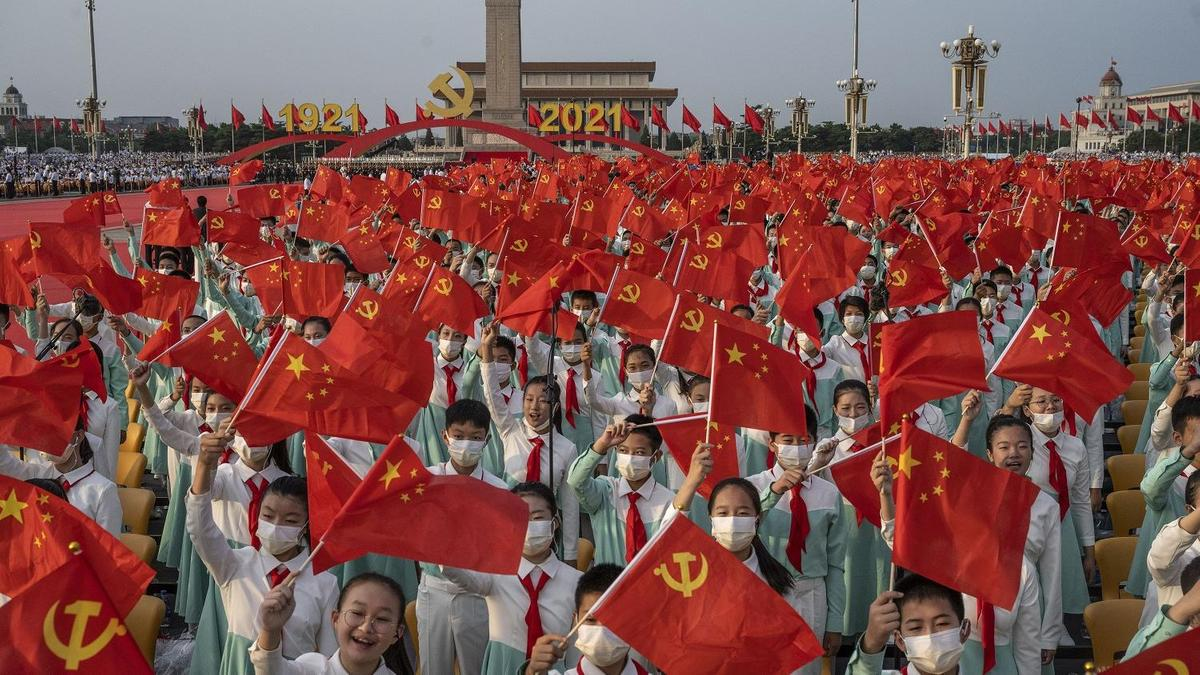
Communist China Celebrates 75th Anniversary Amid Economic Struggles

As China celebrates its 75th anniversary, the mood across the country remains somber despite a sudden stock market surge. Over the past year, China’s economy has faced persistent challenges: rising unemployment among youth, salary cuts, a shrinking middle-class, and a collapsing housing market. Many fear the country may be entering its own “garbage time of history,” a reference to a basketball game’s unwinnable final moments. This pessimism starkly contrasts with the optimism from just five years ago, when many expected China to soon surpass the U.S. as the world’s largest economy.

In an effort to regain momentum, Chinese leader Xi Jinping has recently approved stimulus measures aimed at reviving the economy. The government announced cash handouts, employment subsidies, and measures to encourage lending, resulting in a stock market surge. Yet, experts caution that these short-term measures are insufficient to address the country’s deeper structural problems, including its reliance on an investment-led growth model, an oversaturated housing market, and a shrinking workforce.

The housing market, which accounts for 70% of household wealth, has been particularly devastating. Despite easing restrictions on home purchases, property prices continue to fall, leaving many households with significant losses. Adding to the challenges, China’s population has been shrinking for two years, further dampening demand in the real estate sector.

China’s youth are especially disillusioned, with buzzwords like “lying flat” and “letting it rot” reflecting growing resistance to societal pressures. Youth unemployment hit a record 18.8%, and many young people see limited prospects for upward mobility. This presents a challenge for the Communist Party, which has long relied on economic growth for its legitimacy.

Despite these hurdles, China’s stock market is experiencing a sudden rebound. However, analysts warn that the real economy remains fragile. Stimulating the stock market may temporarily boost sentiment, but fundamental reforms, including more robust social welfare and efforts to shift toward a consumption-led economy, are necessary to sustain long-term growth.