Yazılar

China Sets Ambitious 2028 Target for Historic Mars Sample Return Mission

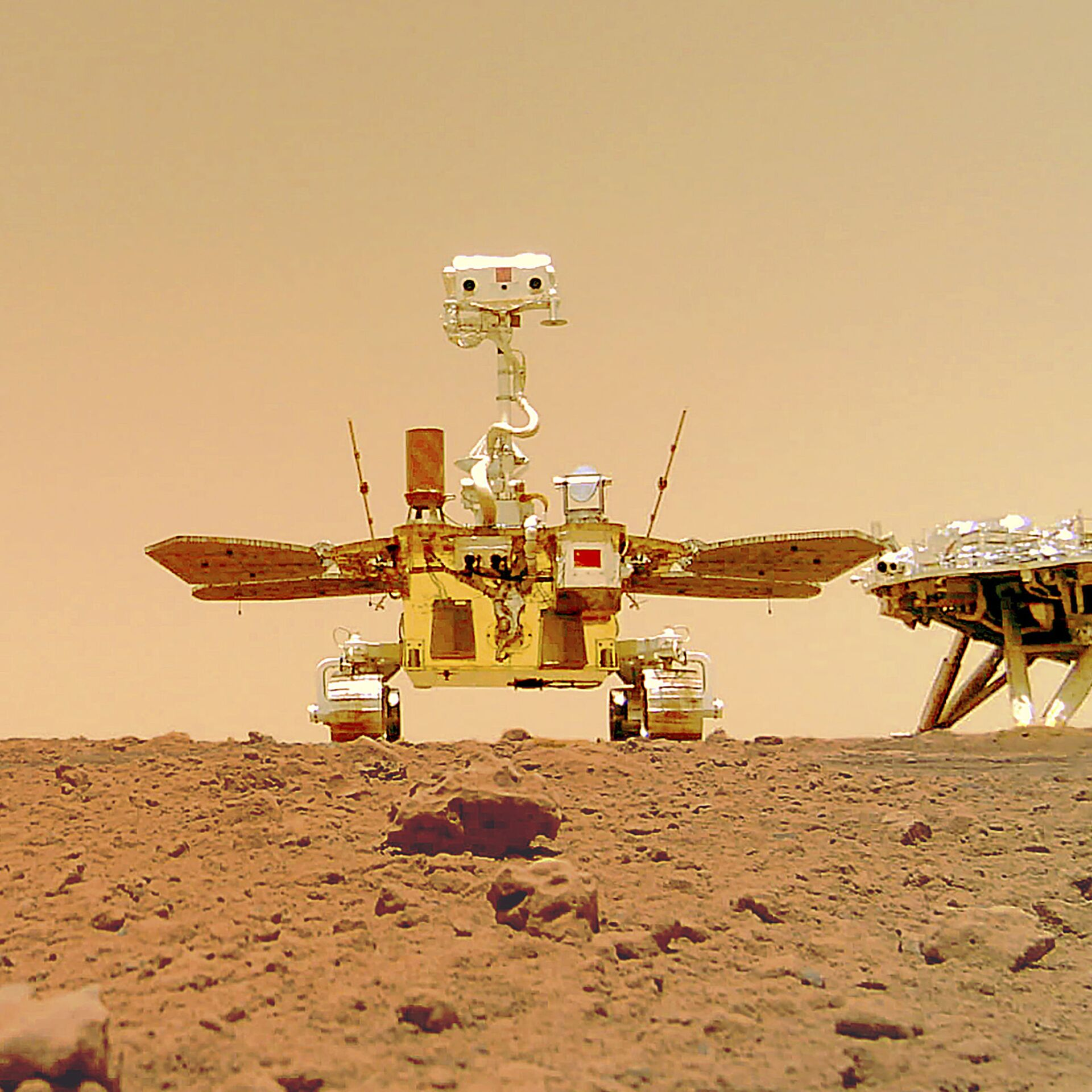
China’s plan to bring samples from Mars to Earth could launch as early as 2028, advancing its ambitious space program. Liu Jizhong, the chief designer for the Tianwen-3 mission, recently announced the updated timeline at a deep-space exploration event, accelerating the goal from the previous 2030 target. The mission would involve two launches aimed at retrieving Martian samples, with the goal of returning them to Earth by 2031.

This accelerated mission plan follows China’s recent achievement of retrieving samples from the far side of the moon and positions the nation in a competitive race with NASA and the European Space Agency. While the U.S. space agencies are still assessing plans for their own Mars sample return, which is facing delays and budget concerns, China aims to establish itself as a dominant space power under President Xi Jinping’s vision.

China’s Tianwen-3 mission will focus on searching for signs of life on Mars and overcoming significant technical challenges, including launching a small rocket from the Martian surface for the return journey. International cooperation will also be a key aspect of the mission, involving payloads and data sharing with other countries.

China’s space achievements have grown in prominence, particularly after its Tianwen-1 probe successfully landed the Zhurong rover on Mars in 2021. Zhurong exceeded expectations by operating far longer than its planned mission duration and delivering valuable data about Mars’ past environment, including evidence that water once existed on the planet.
 

Xi Jinping’s Message to African Leaders: Choose China

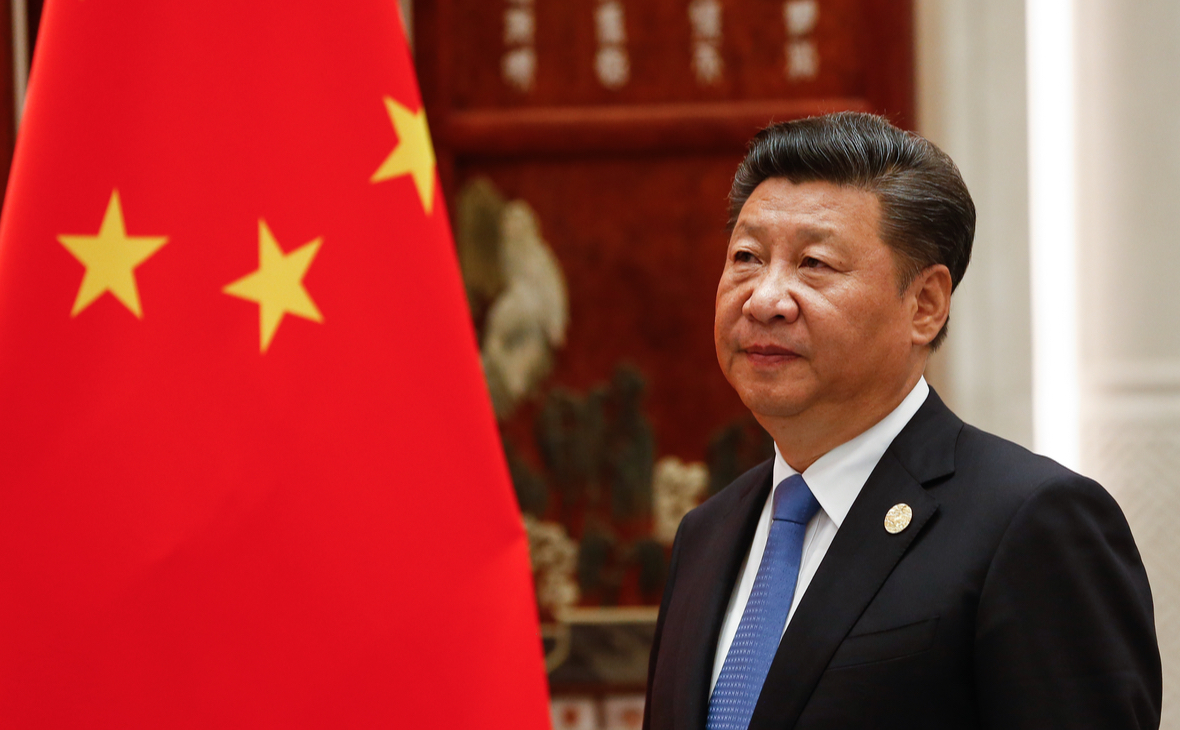
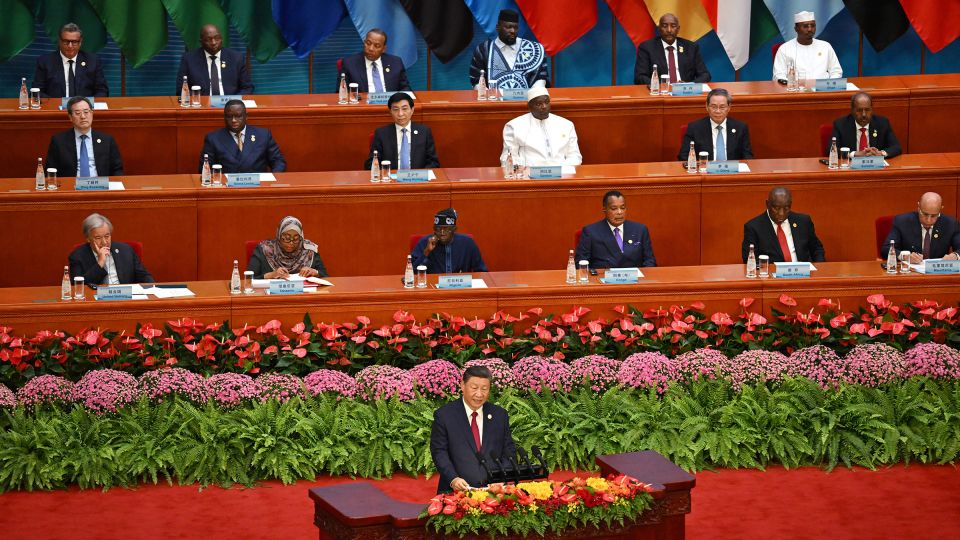
During a recent summit in Beijing, Xi Jinping made a clear pitch to over 50 visiting African leaders: choose China as their foremost international partner. The gathering, held in the Great Hall of the People, underscored China’s commitment to deepening ties with Africa and solidifying its role as the continent’s premier foreign ally.

Key Announcements and Promises

  • Financial and Development Support: Xi pledged more than $50 billion in financial support for Africa over the next three years. This includes commitments to create one million jobs, provide tens of millions in food and military aid, and bolster cooperation in various sectors such as industry, agriculture, infrastructure, trade, and investment.
  • Infrastructure Projects: China announced plans to support 30 infrastructure connectivity projects and launch 30 clean energy projects across the continent. These initiatives aim to enhance land-sea links and position Africa as a key market for China’s green technology.
  • Bilateral Agreements: Specific deals included revitalizing the Tanzania-Zambia Railway Authority and developing Nigeria’s transportation, ports, and free trade zones.

Shifts in Chinese Funding Despite the substantial pledges, the total amount of financial support is noted to be less robust compared to previous years. Analysts suggest that the funding for large-scale infrastructure projects may be reduced, reflecting China’s economic slowdown and a strategic shift towards smaller, more sustainable investments.

Debt Concerns The summit also highlighted the ongoing debt crisis in several African countries, exacerbated by substantial Chinese loans. While China’s lending practices have been defended by both Beijing and African leaders, concerns remain about the increased debt burden and the pace of debt relief efforts.

Geopolitical Context Xi’s outreach to Africa is part of a broader strategy to position China as a champion of the Global South and an alternative global leader to the US. By emphasizing historical grievances against Western exploitation, Xi aims to align Africa more closely with China in the global geopolitical landscape.

Competing Interests Despite China’s strong pitch, African leaders are expected to continue balancing their relationships with multiple international partners, including the US. The US and its G7 allies are also actively working to strengthen ties with Africa, presenting alternative partnership opportunities.

Conclusion Xi Jinping’s summit underscores China’s determination to maintain and expand its influence in Africa. While the financial promises and strategic commitments are significant, African leaders are likely to navigate their international partnerships carefully, maintaining a diverse set of relationships to maximize opportunities and mitigate risks.

China’s Xi Praises “Best in History” Africa Ties, Pledges $50 Billion in Financial and Military Aid

Chinese leader Xi Jinping hailed the “best in history” ties between China and African nations during a major diplomatic event in Beijing on Thursday, pledging $50 billion in financial aid and $140 million in military support over the next three years. Speaking to delegates from over 50 African nations at the Forum on China-Africa Cooperation, Xi emphasized the importance of deepening strategic relations, highlighting cooperation in areas like infrastructure, industry, security, and green development. Xi’s pledge, which includes credit funds and private investments, underscores Beijing’s commitment to the continent despite recalibrating its spending under the Belt and Road Initiative. The fresh military aid, aimed at bolstering Africa’s security capacities, further signals China’s growing strategic ambitions in the region, where it has already established its first overseas military base in Djibouti. Xi’s speech, emphasizing a “shared future” and pushing back against Western-dominated global systems, comes amid rising competition with the U.S. and Europe, both of which are vying for Africa’s critical resources and geopolitical influence. African leaders, including South Africa’s Cyril Ramaphosa, responded positively, commending China’s solidarity and support in navigating global challenges such as climate change and the competition for critical minerals. However, while China has been a leading foreign economic power in Africa, concerns over debt levels persist as Beijing continues to navigate its role amid mounting global tensions and shifts in the global security order.