Yazılar

Tesla Plans Lower-Cost Model Y to Defend Market Share in China

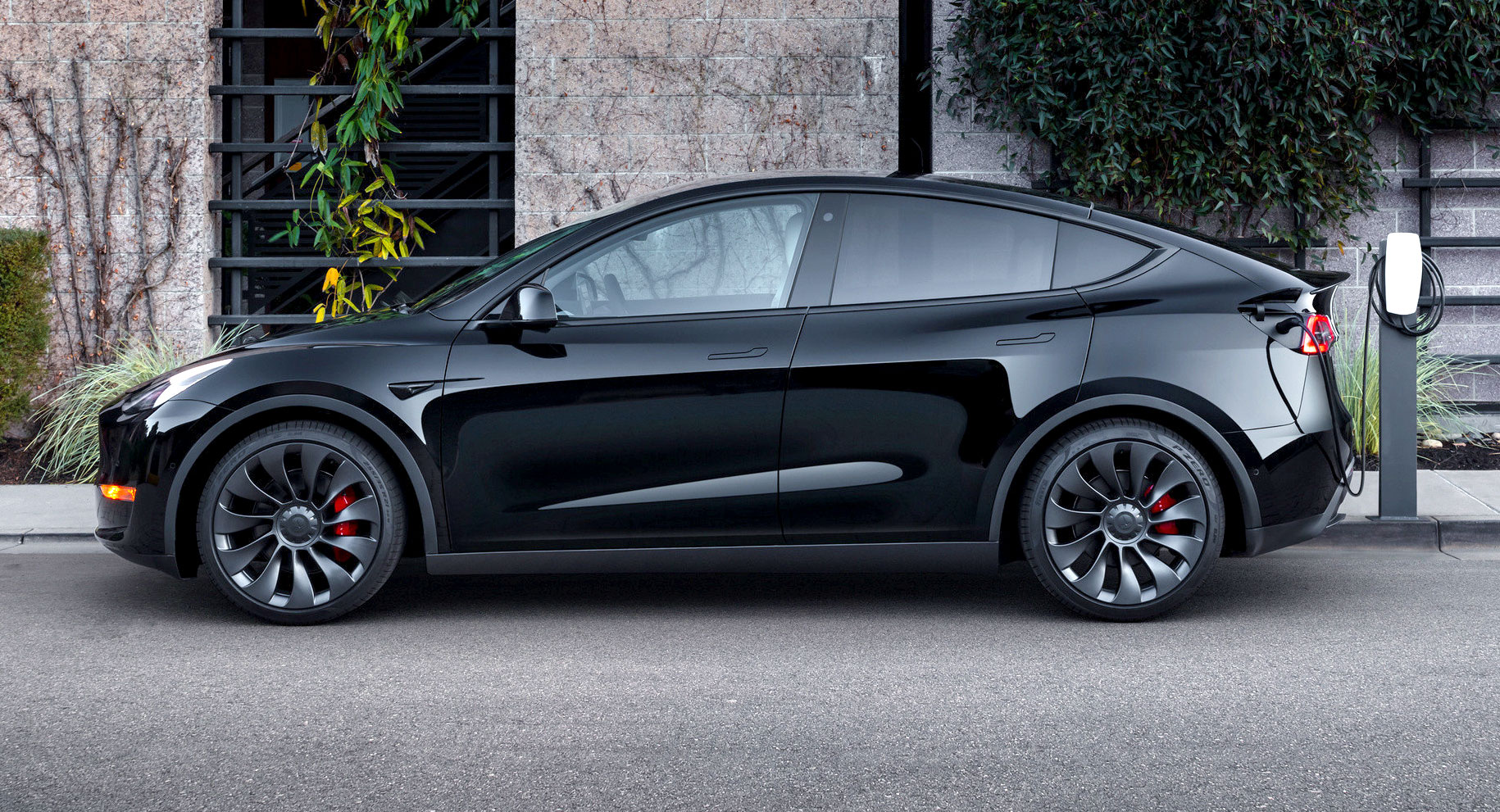
Tesla is set to introduce a lower-cost version of its best-selling Model Y in Shanghai, aiming to recover market share lost during a price war in its second-largest market, according to sources familiar with the plan. The new model, developed under the project codename “E41”, will utilize existing production lines at Tesla’s largest factory by output, with mass production set to begin in 2026.

The upcoming Model Y will be smaller and is expected to cost at least 20% less to produce than the refreshed Model Y launched late last year, which is currently priced starting from 263,500 yuan (~$36,351). This price reduction is part of Tesla’s strategy to defend its market position, particularly in China, where competition from domestic electric vehicle (EV) manufacturers has intensified.

While primarily aimed at the Chinese market, the new model is also planned for production in Europe and North America, though timelines for these markets are not yet specified. Tesla has not commented on the project.

The decision to develop a more affordable Model Y aligns with Elon Musk‘s earlier statement that Tesla would introduce lower-cost models in the first half of 2025, though further details on the exact cost reductions, pricing, and specifications were not disclosed at the time.

In 2023, the Model Y was China’s best-selling car, but its market share has since slipped, now standing at 10.4%, down from 11.7% in the previous year. Tesla faces increased competition from local companies, with models like the YU7 crossover from Xiaomi becoming strong rivals. The YU7 has already outsold Tesla’s Model 3 on a monthly basis since December.

As Tesla contends with rising competition in China, it has focused on introducing various versions of existing models rather than unveiling entirely new products, aside from the Cybercab robotaxi slated for 2026. A six-seat version of the Model Y is also expected to launch in China later this year.

US-Blacklisted Zhipu AI Secures Fresh Funding from Chinese State Firm

Zhipu AI, a Chinese AI startup, has secured 500 million yuan ($69.04 million) in funding from Huafa Group, a state-owned conglomerate based in Zhuhai, Guangdong province. This follows the company’s earlier announcement in January of a separate 1 billion yuan capital raise. Huafa Group’s investment comes amid competition between Chinese cities to back promising AI startups, as Beijing views this sector as vital to its technological rivalry with the United States, according to Zhuhai Special Economic Zone Daily.

Earlier this month, Hangzhou City Investment Group Industrial Fund, a state-backed entity from Hangzhou, also participated in a major funding round for DeepSeek, a competitor of Zhipu AI, securing 1 billion yuan. This aligns with China’s push to strengthen its AI capabilities, as DeepSeek‘s large language models have gained attention for allegedly matching the performance of Western counterparts at lower development costs.

Founded in 2019, Zhipu AI is widely recognized as one of China’s “AI tigers”. The startup has drawn investments from prominent tech giants such as Tencent, Meituan, and Xiaomi, across over 15 funding rounds, according to business registration platform Qichacha. In July 2024, Zhipu AI was valued at 20 billion yuan.

The latest funds will be directed toward advancing the development of its GLM foundation model and furthering the company’s technological innovation and ecosystem expansion. However, this investment comes after Zhipu AI and its subsidiaries were added to the U.S. Commerce Department’s export control entity list in January, which prevents the company from procuring U.S.-made components.

Xiaomi’s YU7 Electric Crossover SUV to Compete with Tesla’s Model Y

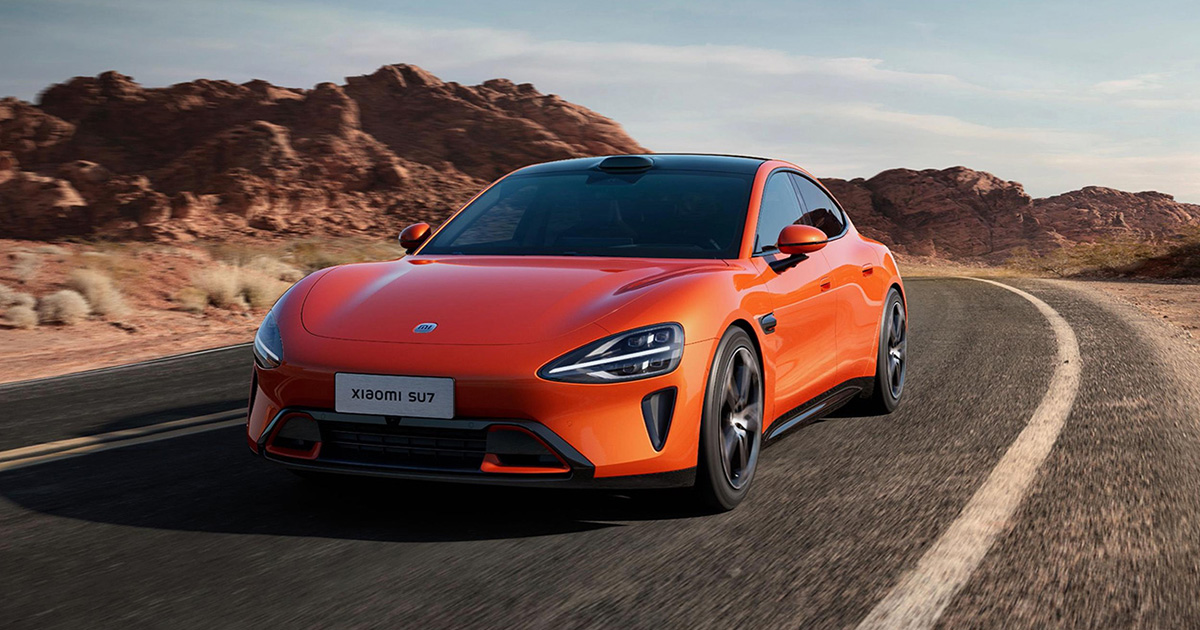
Xiaomi, the Chinese tech giant, is set to launch its first electric crossover SUV, YU7, with a driving range of up to 770 kilometers (478 miles), according to a government document released on Thursday. The YU7 is expected to hit the market this summer, positioning itself as a direct competitor to Tesla’s Model Y.

The YU7 will feature a battery-powered drivetrain combined with traditional crossover SUV characteristics. Along with the 770 km variant, Xiaomi will also offer shorter-range versions with 675 km and 760 km ranges. The vehicle has been added to a list of models that qualify for purchase tax breaks, as indicated in an industry ministry notice.

Tesla, which began deliveries of its refreshed Model Y in February, offers a long-range variant with a 719 km driving range per charge, up from 688 km in the previous version. Its rear-drive variant now offers a range of 593 km, a significant increase from its previous 554 km range.