Yazılar

Xiaomi 15 Ultra Debuts Globally at MWC 2025 with Leica-Tuned Cameras, Joined by Xiaomi 15

Xiaomi has officially launched the Xiaomi 15 Ultra in global markets, just ahead of Mobile World Congress (MWC) 2025 in Barcelona. The flagship smartphone was initially introduced in China on February 27, while the standard and Pro models debuted in October 2024. The Xiaomi 15 series is powered by Qualcomm’s Snapdragon 8 Elite chipset, paired with up to 16GB of RAM, ensuring top-tier performance. These devices also feature LTPO AMOLED displays for enhanced visual quality and incorporate silicon-carbon batteries that support 90W fast charging, providing a balance of power efficiency and longevity.

In terms of pricing, the Xiaomi 15 Ultra starts at EUR 1,499 (roughly Rs. 1,36,100) for the base model, which comes with 16GB of RAM and 512GB of storage. The standard Xiaomi 15 is priced at EUR 999 (roughly Rs. 90,700) for the 12GB+256GB variant. While availability for different regions, including India, has yet to be confirmed, Xiaomi has announced customer-centric after-sales support. Buyers will be eligible for one out-of-warranty repair without labor charges within the first year of purchase, along with a free screen replacement within the first six months.

On the software front, the Xiaomi 15 Ultra runs Android 15 with Xiaomi’s latest HyperOS 2 interface, offering a refreshed user experience. The company has committed to four major OS upgrades, ensuring long-term software support. Under the hood, the device is powered by Qualcomm’s cutting-edge 3nm Snapdragon 8 Elite processor, combined with up to 16GB of LPDDR5x RAM. Its 6.73-inch WQHD+ (1,440×3,200 pixels) quad-curved LTPO AMOLED display supports a 120Hz refresh rate and an impressive peak brightness of 3,200 nits, delivering vibrant colors and smooth performance even in bright conditions.

With its advanced hardware and premium features, the Xiaomi 15 Ultra is set to compete with other flagship smartphones in 2025. Xiaomi’s partnership with Leica continues to enhance its camera capabilities, offering users professional-grade photography and videography tools. As global availability expands, the Xiaomi 15 Ultra is expected to attract users looking for high-end specifications, extended software support, and a refined design. The coming weeks should bring further announcements regarding its rollout in additional markets.

Xiaomi 15 Ultra to Launch; Official Design Unveiled

Xiaomi has officially confirmed the launch date for its highly anticipated Xiaomi 15 Ultra smartphone in China. The flagship device will be introduced on February 27, alongside the Xiaomi SU7 Ultra electric car, marking a major event for the brand. Xiaomi has also unveiled the official design of the Xiaomi 15 Ultra, showcasing its premium aesthetics and high-end features. The smartphone is set to come with Leica-branded cameras and will run on Xiaomi’s latest HyperOS interface. Meanwhile, the company is preparing to showcase the device globally at MWC 2025, further solidifying its presence in the premium smartphone segment.

The launch event will take place in China at 7:00 PM local time (4:30 PM IST). Alongside the Xiaomi 15 Ultra, the company is set to introduce multiple new products, including the Xiaomi SU7 Ultra EV, the RedmiBook 16 Pro 2025, and the Xiaomi Buds 5 Pro. The brand has been teasing the smartphone’s design through its Weibo account and official website in China. Xiaomi’s latest teaser images confirm a sleek and sophisticated design that stays true to the Ultra series’ signature look while incorporating new refinements.

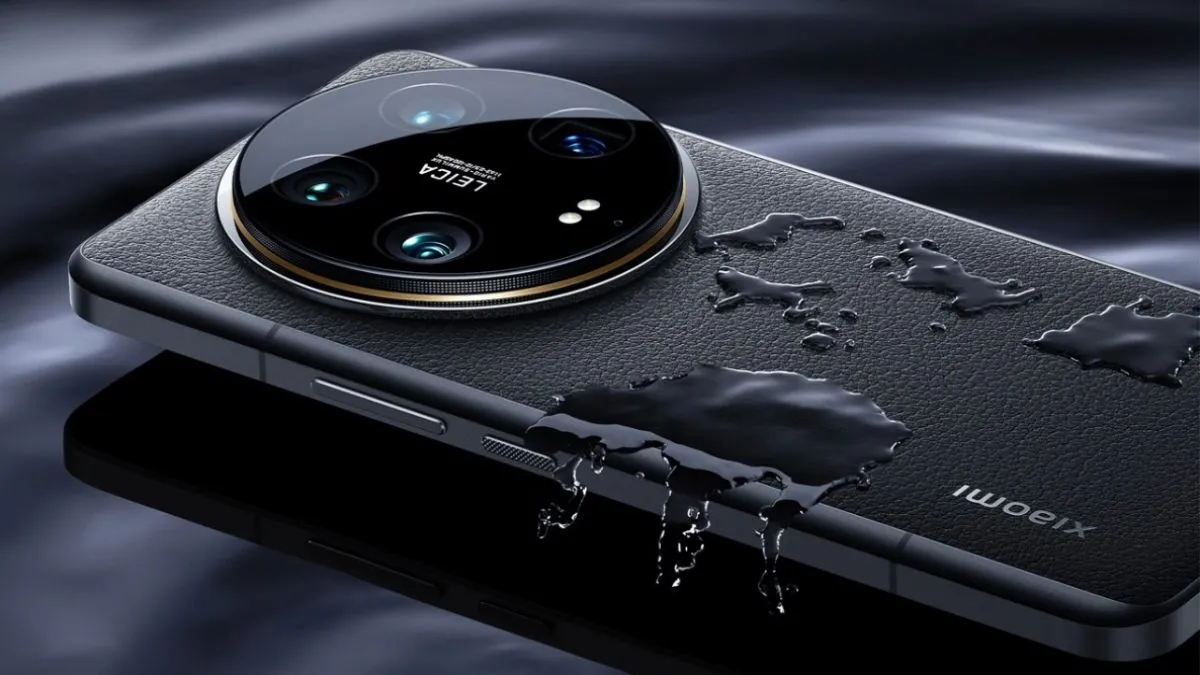
Pre-orders for the Xiaomi 15 Ultra have already begun via Mi Mall in China, generating excitement among consumers. The official renders highlight a dual-tone finish, giving the phone a premium appearance. The device features a circular rear camera unit, reminiscent of previous Xiaomi Ultra models, but with noticeable refinements. The quad-camera setup is accompanied by an LED flash strip, promising an advanced photography experience. The materials used in the phone’s construction suggest a combination of glass and vegan leather, a nod to the classic aesthetics of Leica cameras. Additionally, the rear panel features an italicized “Ultra” branding in the top-right corner, further enhancing its premium appeal.

With Xiaomi gearing up for a global unveiling at MWC 2025, the Xiaomi 15 Ultra is expected to compete with the best flagship smartphones in the market. Given its Leica-branded camera system, cutting-edge hardware, and refined design, the device aims to attract photography enthusiasts and premium smartphone users alike. More details regarding its specifications, pricing, and global availability will likely be revealed as the official launch date approaches.

Explainer: What Autonomous Driving Features Are Available in China?

China, the world’s largest auto market, is seeing significant advancements in autonomous driving features, with several companies introducing innovative technologies in their vehicles. Chinese electric vehicle (EV) maker BYD recently launched its proprietary advanced driver-assistance system, “God’s Eye,” in a range of models, signaling the start of a potential price war in a highly competitive market.

BYD’s Autonomous Driving Features:

BYD’s “God’s Eye” system is a three-tier platform based on computing power. The most affordable entry-level version, the C model, is available on vehicles priced between 69,800 yuan ($9,500) and 219,800 yuan, under the Dynasty and Ocean series. The system includes features such as:

  • Automatic highway ramp exit/entry
  • Lane keeping and cruise driving
  • Autonomous lane changes and obstacle avoidance
  • Autonomous emergency braking and self-parking upon exit
  • Remote parking

This version of the system uses 12 cameras, five-millimeter wave radars, and 12 ultrasonic radars. Higher-end variations of the system, God’s Eye A and B, are available on more premium models such as Denza and Yangwang brands, utilizing advanced computing and lidar to create 3D images of a vehicle’s surroundings, assisting in navigation around obstacles.

Tesla’s Full-Self Driving (FSD):

Tesla offers its full self-driving (FSD) software for subscription in China, though the features are limited compared to other markets. Tesla vehicles come with basic autopilot features, such as traffic-aware cruise control and in-lane autosteer.

  • Enhanced autopilot, priced at 32,000 yuan, includes auto lane change and auto parking.
  • FSD, priced at 64,000 yuan, will soon allow navigation on city streets and recognition of traffic lights and stop signs, with plans for a release later this year.

Huawei-backed AITO:

AITO, another key player in China’s EV space, equips its M7 model with two versions of Huawei’s advanced driving system. The base version includes navigation on highways, auto ramp entry/exit, and partial auto lane changes, priced at 249,800 yuan. The advanced version, priced at 289,800 yuan, includes lidar-powered features, such as city street navigation and automatic emergency braking for special-shaped obstacles.

AITO’s advanced driving software is also available for subscription on EVs from other brands, including Changan’s Avatr, for approximately $4,100.

Xpeng’s MONA Series:

Xpeng introduced its most affordable EV with advanced autonomous driving capabilities through its MONA sub-brand. The MONA M03 Max, priced from 155,800 yuan, includes a vision-only solution with lane-keeping control, adaptive cruise control, navigation on highways, and smart parking. The vehicle will also feature smart exit from parking spaces.

Xiaomi’s Autonomous Driving System:

Xiaomi has introduced its own smart driving system in the SU7 EVs, priced from 215,900 yuan. The lower-end version of the system includes auto parking and highway navigation. The higher-end version, equipped with lidar, enables additional features like urban navigation, collision avoidance, and special vehicle recognition, available in SU7 trims priced above 245,900 yuan.