
Redmi Watch 6 Debuts With 2.07-Inch AMOLED Display and 24-Day Battery Life
Redmi Watch 6 Launched in China With 2.07-Inch AMOLED Display and 24-Day Battery Devamını Oku

Redmi Watch 6 Launched in China With 2.07-Inch AMOLED Display and 24-Day Battery Devamını Oku
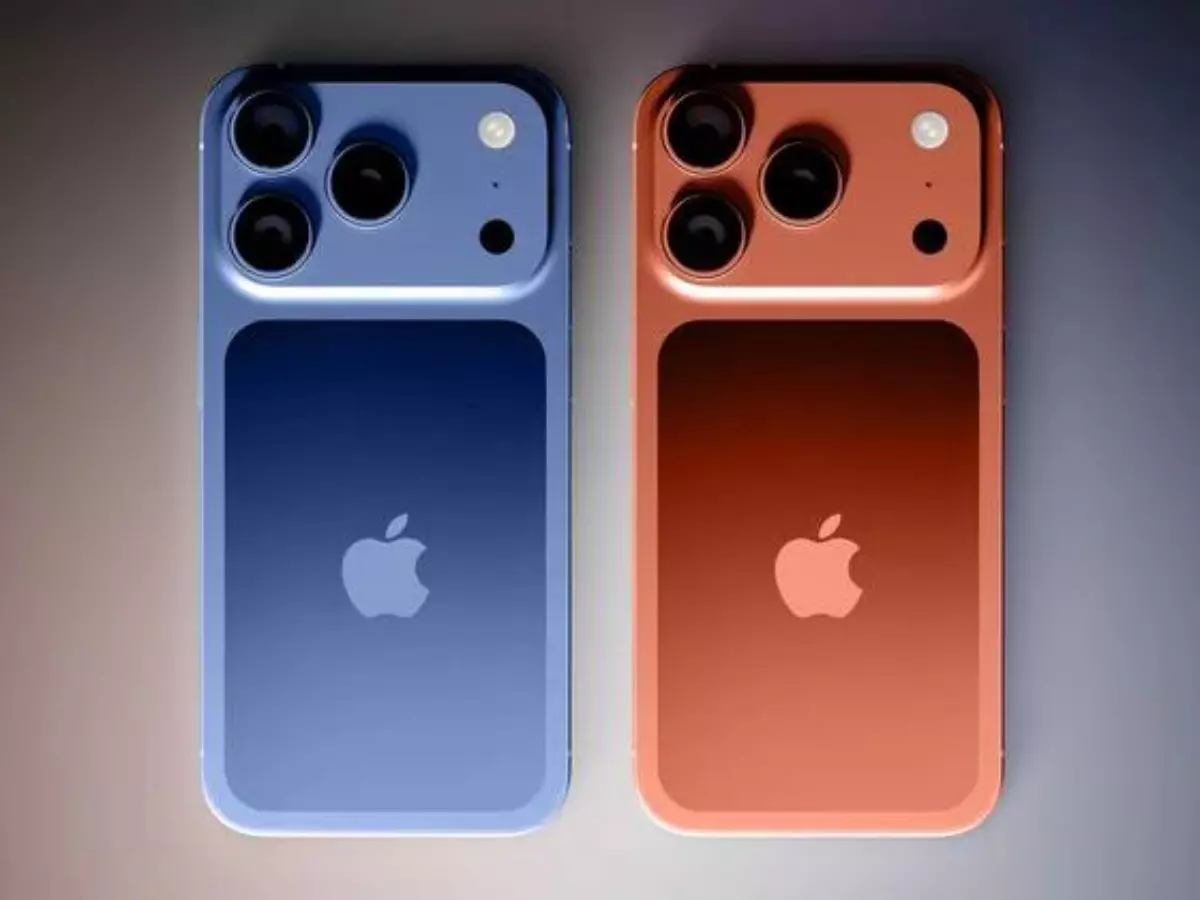
Apple’s shipments in China rose slightly in the third quarter, boosted by strong demand for its new iPhone 17 series, according to data released by research firm IDC. Shipments grew 0.6% year-on-year to 10.8 million units, giving Apple a 15.8% share of China’s smartphone market and securing its position as the country’s second-largest vendor.
Overall, China’s smartphone market continued to face weak demand, with total shipments falling 0.6% to 68.4 million units in the third quarter, following a 4% drop in the previous quarter. Despite the sluggish environment, Apple outperformed rivals, becoming the only brand among China’s top three vendors to post growth during the period.
IDC analyst Will Wong credited the success to Apple’s “value-for-money” iPhone 17 base model, which appealed to cost-conscious consumers while maintaining premium quality. By contrast, Huawei’s shipments slipped 1% to 10.4 million units, placing it third, and Xiaomi’s fell 1.7% to 10 million units, ranking fourth. Market leader Vivo saw a sharper decline of 7.8%, down to 11.8 million units.
IDC expects the Chinese smartphone market to recover modestly in early Q4, driven by the release of new flagship models launched in recent months.

Russian resellers unveiled the iPhone 17 on Saturday, with major retailer Restore: reporting a 66% jump in pre-orders compared to last year, highlighting strong demand for Apple devices despite Russia’s economic downturn.
Russia is grappling with 20-year-high interest rates and a budget deficit exceeding 4 trillion roubles, yet enthusiasm for Apple’s latest smartphones remains resilient. Apple itself halted direct sales and suspended Apple Pay in 2022 due to Western sanctions, but resellers continue to import devices through parallel channels, pushing prices far above U.S. and European levels.
At Afimall City in Moscow’s business district, Restore: displayed the new models for browsing, with deliveries promised in coming days. The base 256GB iPhone 17 is priced at 119,990 roubles ($1,437)—about 57% higher than in the U.S.
“There is a huge fan base that will never exchange iPhone for anything else,” said Lyudmila Semushina, PR director of Restore:. Customer interest is especially high for the redesigned iPhone Air and the upgraded Pro models with improved cameras.
Tech blogger Sergei Yepikhin noted that while Android remains more practical in Russia, the new iPhones’ features are luring users to switch. Restrictions on WhatsApp and Telegram calls have also boosted demand for FaceTime, further embedding iPhones into Russian digital life.
To bypass Apple Pay’s absence, Russian banks such as Sber and T-Bank recently rolled out local contactless payment services. Despite higher logistics costs from imports, Restore: said its supply chain remains “quite stable,” though short-term shortages of new iPhones are expected.
Apple was Russia’s top smartphone brand by revenue in 2024, while Xiaomi led in unit sales, underscoring the iPhone’s enduring premium appeal even in a strained economy.