
Amazon Prime Day to Boost U.S. Online Sales to $23.8 Billion, Adobe Forecasts

Online sales in the U.S. are projected to reach $23.8 billion during Amazon’s extended 96-hour Prime Day event from July 8 to 11, marking a 28.4% increase compared to last year, according to Adobe Analytics. This surge reflects consumers’ eagerness for strong discounts, especially on back-to-school items like apparel and electronics.

Adobe highlighted that this sales volume is equivalent to “two Black Fridays,” noting that shoppers are increasingly using generative AI tools to hunt for deals and get an early start on their back-to-school shopping. The expansion of Prime Day from 48 to 96 hours also responds to growing competition from retailers like Walmart and Target, who are launching their own promotions during the same period.

Consumers are expected to “trade up” by purchasing higher-priced items such as electronics, sporting goods, and appliances, while choosing more budget-friendly options in categories like home, garden, and groceries. Clothing discounts are forecast to deepen to 24%, up from 20% last year, while electronics discounts may slightly decrease to 22%.

Back-to-school essentials, including backpacks, lunchboxes, headphones, and computers, are also expected to see sales growth. Additionally, the use of Buy Now Pay Later (BNPL) payment options is anticipated to rise slightly to 8% of online spending, up from 7.6% last year.

Adobe’s forecast is based on analysis of 1 trillion visits to U.S. ecommerce sites, covering 100 million SKUs across 18 product categories.

Huawei’s AI Lab Denies Copying Alibaba’s Qwen Model Amid Copyright Claims

Huawei’s AI research division, Noah Ark Lab, has denied allegations that its Pangu Pro Moe (Mixture of Experts) large language model copied from Alibaba’s Qwen 2.5 14B model. The lab insisted on Saturday that Pangu Pro was independently developed and trained, refuting claims made in a report by an entity named HonestAGI.

HonestAGI published a paper on GitHub claiming “extraordinary correlation” between Huawei’s Pangu Pro Moe and Alibaba’s Qwen model, suggesting that Huawei’s model might have been “upcycled” rather than trained from scratch. The report also raised concerns about potential copyright violations and false claims regarding Huawei’s investment in the model’s training.

In response, Noah Ark Lab stated that their model is not based on incremental training from other manufacturers’ models but instead includes key innovations in architecture and technical features. They highlighted that Pangu Pro is the first large-scale model built entirely on Huawei’s Ascend chips and confirmed adherence to open-source licensing rules for any third-party code used—though they did not specify which open-source models influenced their work.

Alibaba has yet to comment on the allegations, and the identity of HonestAGI remains unknown. The controversy comes amid rising competition in China’s AI sector, which has been accelerated by the release of open-source models like DeepSeek’s R1 and Alibaba’s Qwen family, designed for consumer and chatbot applications. In contrast, Huawei’s Pangu models are primarily applied in government, finance, and manufacturing sectors.

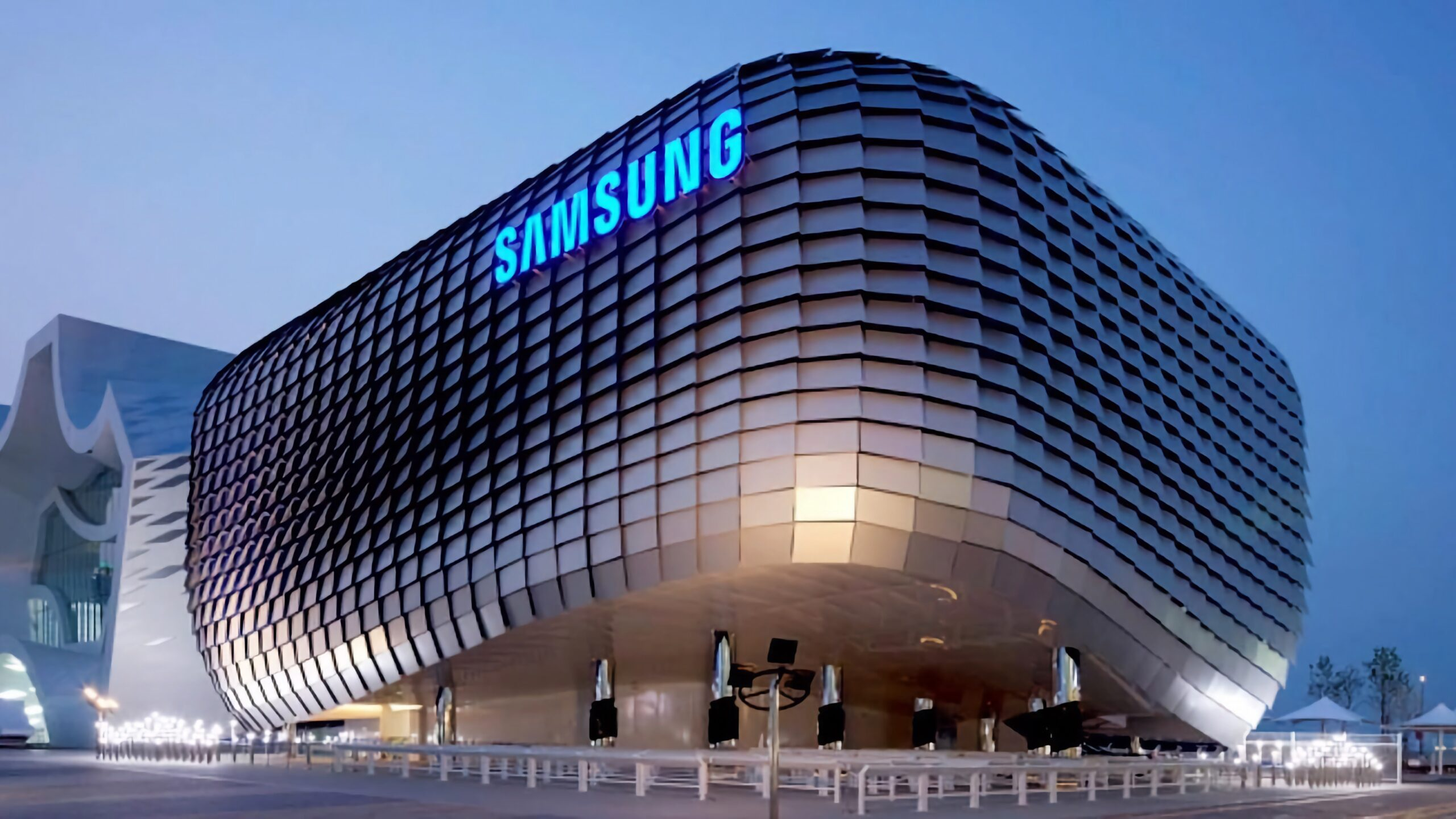
Samsung to Acquire U.S. Healthcare Platform Xealth to Boost Mobile Health Business

Samsung Electronics announced on Tuesday it has signed an agreement to acquire Xealth, a U.S.-based digital healthcare platform, aiming to expand its mobile healthcare services. The financial terms of the deal were not disclosed.

Samsung said the acquisition is intended to create synergy by combining its advanced wearable technology with Xealth’s platform, which manages digital health programs and connects care providers—including over 500 U.S. hospitals—with patients through data integration.

This move aligns with Samsung’s broader strategy to diversify beyond its traditional semiconductor and smartphone operations. The company is increasingly investing in growth areas such as medical technology, consumer audio, climate control systems, and robotics.

Earlier this year, Samsung agreed to acquire Germany’s FlaktGroup for €1.5 billion ($1.68 billion), targeting the booming demand for data center cooling, driven by AI projects. At a March shareholder meeting, Chairman Jay Y. Lee emphasized Samsung’s focus on “meaningful” acquisitions to drive growth, especially after falling behind rivals in the AI chip market led by Nvidia.

Notably, on the same day as the Xealth announcement, Samsung forecasted a sharp 56% decline in its second-quarter operating profit, mainly due to weak AI chip sales—raising investor concerns about the company’s semiconductor business recovery.