Samsung Profit Plunges 56% Amid AI Chip Woes, U.S. Export Curbs to China

Samsung Electronics reported a steep 56% year-on-year drop in Q2 operating profit, projecting earnings of 4.6 trillion won ($3.36 billion)—significantly below analyst expectations of 6.2 trillion won, according to LSEG SmartEstimate. This marks Samsung’s weakest quarterly performance in six quarters, as its semiconductor division continues to struggle with shifting global dynamics in the AI chip market.

The South Korean tech giant blamed its sharp decline on U.S. restrictions on AI chip exports to China, which have disrupted its sales pipeline. However, analysts pointed to delays in delivering high-bandwidth memory (HBM) chips to Nvidia as a major factor in its underperformance. Unlike rivals SK Hynix and Micron, which have seen strong AI-driven chip demand, Samsung has been slower to supply its latest HBM3E 12-layer chips, with customer evaluations still ongoing and no specific update on Nvidia shipments.

“Everything ultimately comes back to HBM,” said Ryu Young-ho, an analyst at NH Investment & Securities, noting that Samsung’s competitive edge hinges on reclaiming leadership in the HBM segment.

Revenue for the quarter is expected to come in nearly flat at 74 trillion won, down just 0.1% from a year ago. But the semiconductor division likely took the hardest hit, with analysts estimating its operating profit may have dropped over 90% to just 500 billion won, partly due to inventory value adjustments and unsold HBM stockpiles.

Adding to the challenges, potential U.S. tariffs and mounting competition in China—where Samsung still has a heavy market presence—are expected to weigh on both its chip and smartphone margins in the near term.

Samsung’s foundry business also saw falling earnings, attributed to low utilisation rates and inventory write-downs, stemming from the same U.S. AI chip export restrictions. However, the company expects foundry performance to gradually improve in the second half of 2025 as utilisation recovers with demand.

Despite the weak outlook, Samsung announced a 3.9 trillion won ($2.85 billion) share buyback, part of a broader 10 trillion won repurchase plan unveiled in late 2024. Investors remained cautious, with Samsung shares slipping 0.2%, while Korea’s benchmark KOSPI index rose 1.2% during morning trading.

Looking ahead, Samsung hopes to recover with upcoming phone launches and by expanding HBM sales beyond Nvidia to other customers. A full breakdown of business unit performance is expected on July 31, when the company releases its detailed Q2 earnings report.

Wartime Innovation Spurs Israeli Defence Tech Surge Amid Global Demand

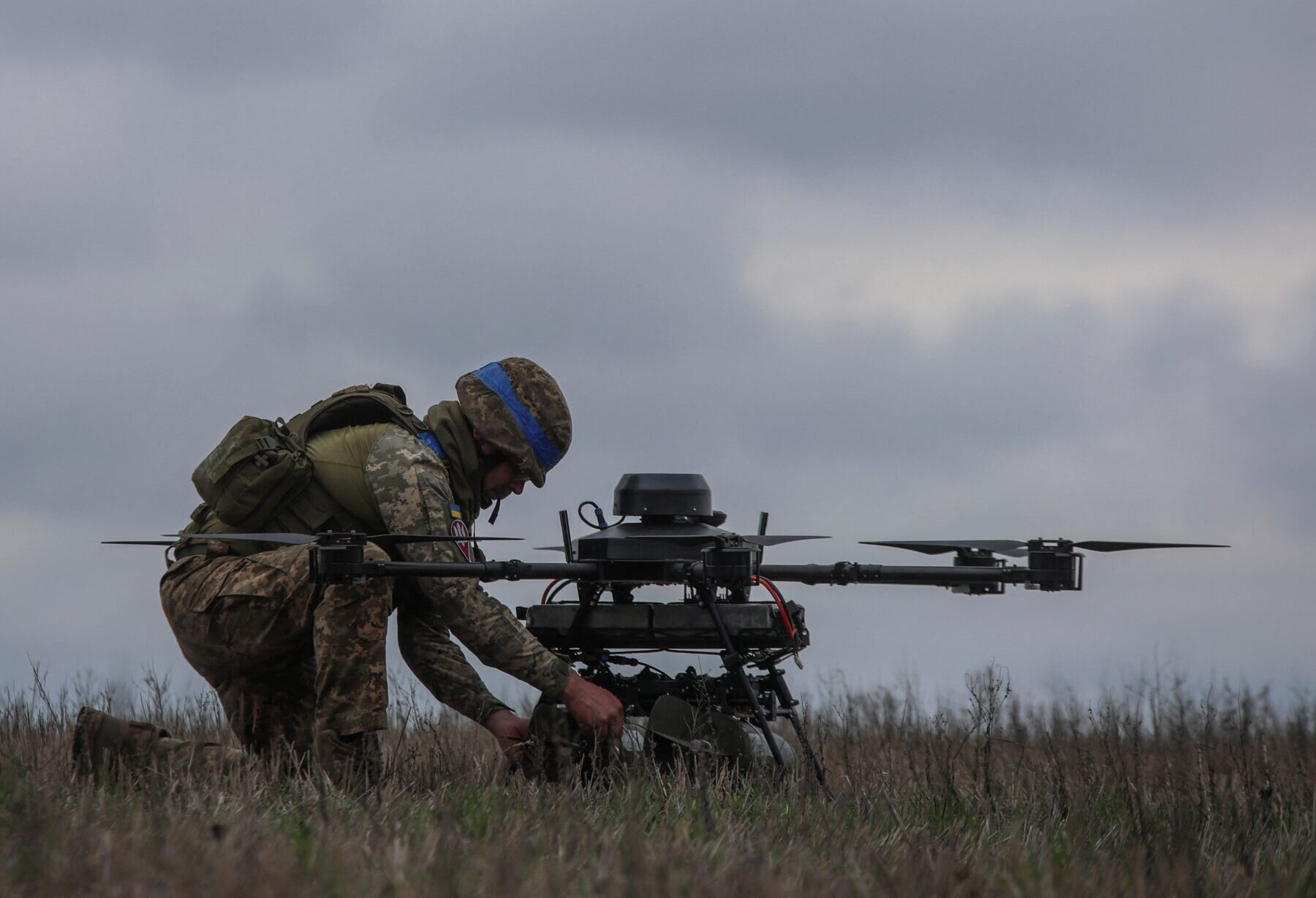
Amid the ongoing conflict in Gaza and growing geopolitical instability, Israel’s defence technology sector is experiencing a dramatic acceleration, driven by battlefield innovation and global demand. Civilian reservists with tech backgrounds, such as Zach Bergerson, are creating new startups in response to real-time battlefield needs—merging military insight with cutting-edge innovation.

Bergerson’s company, SkyHoop, which developed a wearable drone-detection system for soldiers, is now being piloted in Ukraine and is in talks for a potential U.S. Department of Defense trial. His story is emblematic of a broader trend: Israeli startups, born from frontline experiences, are attracting significant investment from both Israeli and American venture capital firms, many of whom had previously avoided defence tech due to regulatory risks.

According to Startup Nation Central, over one-third of Israel’s defence startups were founded after the October 7, 2023 Hamas attack that ignited the current war. The surge in wartime innovation has generated strong interest from Europe, especially as countries increase defence spending under NATO’s new mandate to raise defence budgets to 5% of GDP.

Lital Leshem, a reservist and co-founder of the new $100 million fund Protego Ventures, noted that Israeli tech professionals returning from the battlefield are creating companies to solve problems they directly experienced. Her fund has reviewed over 160 defence startups and expects to invest in a select few by the end of the year.

Israel’s defence exports reached a record $14.8 billion in 2024, with Europe accounting for over 50%—up from 35% the year before. Demand has spiked as European countries replace old systems sent to Ukraine and seek combat-tested, high-tech solutions. However, this boom comes alongside political backlash: calls for boycotts over Israel’s actions in Gaza have intensified, with over 57,000 Palestinians reported killed by local health officials, most of them civilians.

Despite global criticism, many nations continue to prioritize performance over politics when it comes to defence acquisitions. Reserve Brigadier General Yair Kulas, head of Israel’s International Defence Cooperation Directorate, acknowledged the tension between Israel’s innovation reputation and growing international delegitimization, especially in light of the Gaza humanitarian toll.

Analysts like Avi Hasson from Startup Nation Central believe this moment mirrors the tech boom of the early 2000s, when military innovations laid the groundwork for the smartphone era. Major Israeli defence firms—Elbit, Rafael, and Israel Aerospace Industries—are now eyeing startups for potential acquisitions or rapid internal development to keep pace with the evolving market.

As the war reshapes global defence priorities, Israel’s battlefield-tested startups may find themselves at the forefront of a new global arms innovation wave—if they can overcome regulatory and political hurdles.

JPMorgan Hires Guggenheim Executive to Boost Mid-Cap Tech Investment Banking

JPMorgan Chase is bolstering its technology investment banking division with the addition of Mike Amez, a senior executive from Guggenheim Securities, according to an internal staff memo reviewed by Reuters. Amez is set to join the bank in September as Head of Mid-Cap Technology Services, based in Chicago.

In the memo, Global Co-Heads of Technology Investment Banking Chris Grose and Greg Mendelson said Amez brings a deep background in IT services, cybersecurity, and cloud infrastructure, with a career focused on building enduring client relationships in the fast-evolving tech landscape. At Guggenheim, he was a Senior Managing Director in its tech investment banking group.

Amez’s appointment is part of JPMorgan’s ongoing expansion of its technology banking franchise, especially targeting medium-sized tech companies, a fast-growing market segment. The hire comes just weeks after the bank added four senior executives from Goldman Sachs, Bank of America, and Lazard to strengthen its West Coast tech banking operations.

Already a dominant force in technology dealmaking, JPMorgan is sharpening its sub-sector expertise to maintain its lead, according to Dealogic data. The bank has recently played a central advisory role in high-profile transactions, including:

  • Global Payments’ $24.25 billion acquisition of Worldpay,

  • Turn/River’s $4.4 billion buyout of SolarWinds,

  • DoorDash’s $3.9 billion takeover of Deliveroo,

  • And CoreWeave’s $23 billion public listing in March.

JPMorgan’s continued investment in specialized talent suggests a clear strategy to deepen market penetration in niche but fast-growing tech verticals, especially as deal activity rebounds in select sectors like AI, cloud, and fintech.