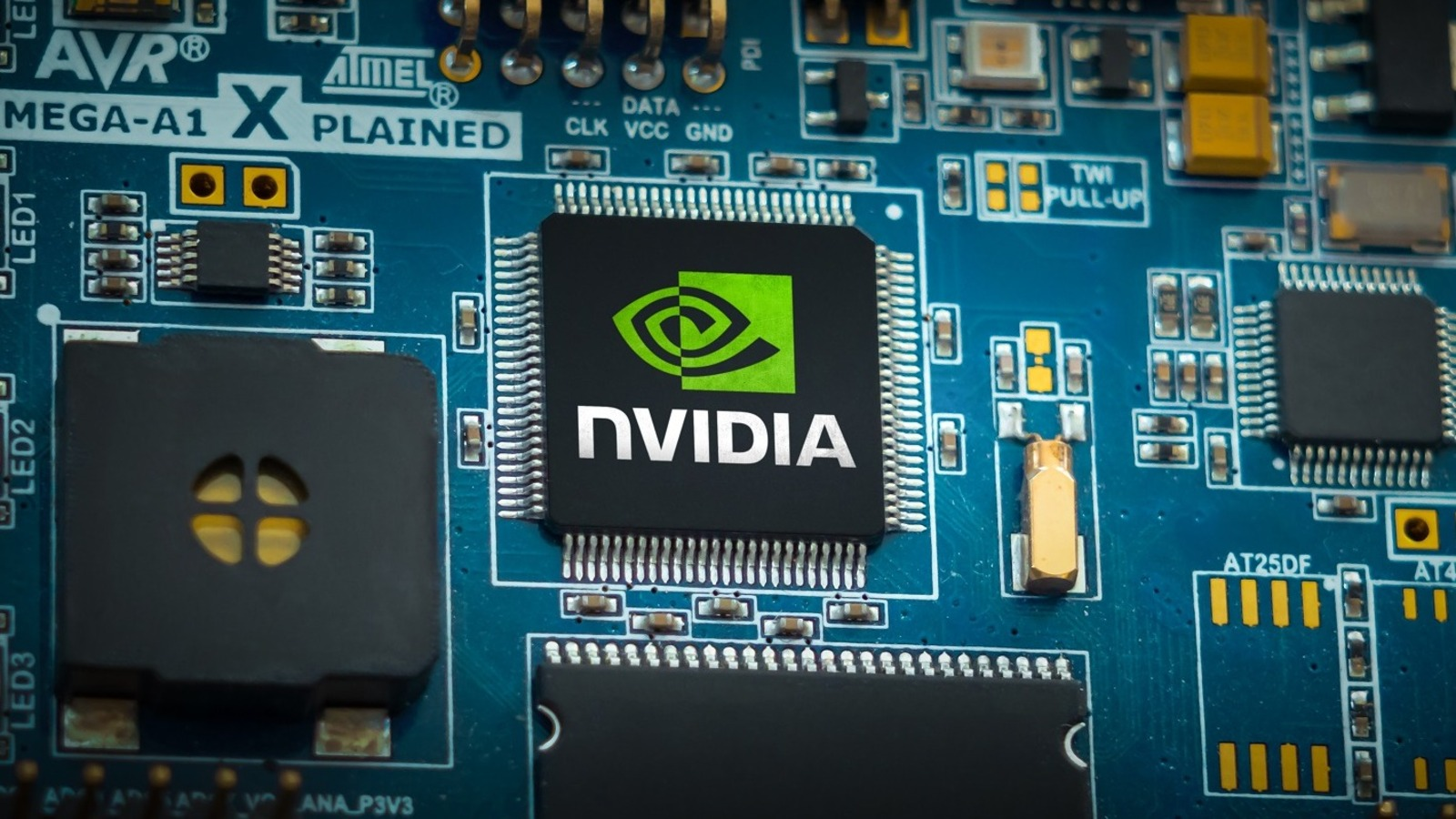
Nvidia spends $900M to hire Enfabrica CEO and license startup’s tech

Nvidia (NVDA.O) has spent more than $900 million to bring on Enfabrica CEO Rochan Sankar, along with other employees from the AI hardware startup, while also licensing the company’s technology, CNBC reported Thursday.

The deal, paid in cash and stock, closed last week, and Sankar has already joined Nvidia, according to people familiar with the arrangement.

Enfabrica, based in Silicon Valley, is addressing a major bottleneck in artificial intelligence: how to connect tens of thousands of chips into a network that can operate as a single, unified computer. Without efficient networking, even high-performance chips like Nvidia’s can sit idle while waiting for data. The startup’s technology reportedly enables up to 100,000 AI chips to be linked before network slowdowns occur.

Nvidia declined to comment on the report, and Enfabrica did not immediately respond to inquiries. Founded by former Broadcom (AVGO.O) and Alphabet (GOOGL.O) veterans, Enfabrica has raised $260 million in venture capital and in July launched a chip-and-software system designed to reduce memory costs in data centers.

The move mirrors recent strategies by Big Tech rivals. In June, Meta (META.O) acquired a 49% stake in Scale AI and brought CEO Alexandr Wang into its AI leadership, while Google hired key staff from Windsurf, an AI code generation startup courted by OpenAI.
Capital One settles lawsuit with social media creators over shopping extension

Capital One (COF.N) has reached a settlement with social media creators who accused its Capital One Shopping browser extension of diverting affiliate marketing commissions. The settlement notice was filed Thursday in federal court in Alexandria, Virginia, with preliminary approval expected by November 17.

The lawsuit centered on claims that the extension, which helps millions of users find online discounts, wrongly appeared at checkout as if shoppers had clicked Capital One’s referral links. Creators—including bloggers, influencers, YouTubers, and others—said this allowed the bank to collect millions in commissions that should have gone to them.

Capital One, the sixth-largest U.S. commercial bank, did not admit wrongdoing. In a statement, the company said evidence showed the extension “recognizes and follows industry rules and is aligned with its advertising partners,” adding that consumers will not see changes as a result of the settlement.

In June, U.S. District Judge Anthony Trenga refused to dismiss the case, finding it plausible that Capital One intentionally overrode tracking codes like cookies that documented when shoppers had engaged with creators’ content. Capital One has maintained that its extension does not unlawfully replace cookies or take credit for commissions.

The bank acquired the tool when it bought online shopping startup Wikibuy in 2018. Other companies, including Microsoft (MSFT.O) and PayPal (PYPL.O), have faced similar lawsuits over their shopping extensions.

The case is In re Capital One Financial Corp, Affiliate Marketing Litigation, U.S. District Court, Eastern District of Virginia, No. 25-00023.

Waymo and Via to launch robotaxis for public transit in Arizona

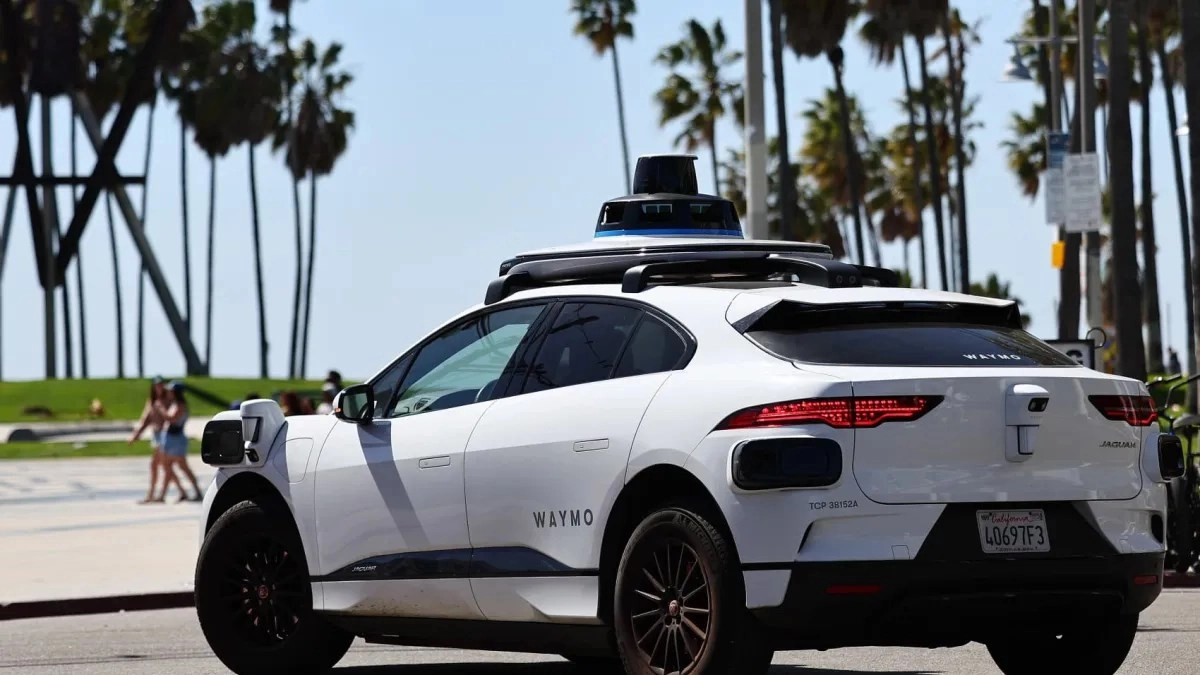
Alphabet’s Waymo (GOOGL.O) is teaming up with Via Transportation (VIA.N) to integrate its autonomous vehicles into public transit, starting with Chandler, Arizona, the companies announced Thursday.

This fall, Waymo’s robotaxis will be added to Chandler Flex, the city’s on-demand neighborhood transit service powered by Via’s software. Via, which provides tech-enabled services for public transport in more than 30 countries, said the partnership marks a milestone in making autonomous vehicles part of mainstream public mobility.

“We’re delighted that this partnership with Waymo paves the path for AVs to become accessible to millions of global public transit riders, enhancing mobility, lowering operating costs, and improving safety outcomes,” said Via co-founder and CEO Daniel Ramot.

Waymo has been steadily expanding its U.S. footprint as competition in the robotaxi sector intensifies. On Wednesday, it announced plans to launch autonomous cab rides in Nashville, Tennessee, next year through a partnership with Lyft (LYFT.O).

The company currently operates paid driverless rides in Phoenix, the San Francisco Bay Area, Los Angeles, Austin, and Atlanta. Meanwhile, EV maker Tesla (TSLA.O) entered the field in June with a limited robotaxi service in Austin and aims to expand to the Bay Area.