NASA and Roscosmos Disagree on Severity of Space Station Leaks

Leaking Zvezda Module Sparks Safety Concerns

The International Space Station (ISS) is grappling with worsening leaks in the Russian-controlled Zvezda module, first identified in 2019. Recent reports reveal an increased air loss rate, raising alarms at NASA over potential “catastrophic failure.” However, Russia’s space agency, Roscosmos, maintains that the station’s operations remain safe.

Key issues:

  • Leak Location: The Zvezda module’s transfer tunnel, which connects to a docking port, has been the primary site of the leaks.
  • Leak Rate: Air loss is approximately 2–2.5 pounds daily, exceeding the station’s baseline pressure maintenance requirements.
  • Structural Integrity: NASA highlights concerns about high-cycle fatigue causing cracks, while Russia attributes the problem to vibrations from mechanical systems.

Disputed Assessments and Mitigation Efforts

NASA and Roscosmos have yet to agree on the root cause or severity of the leaks.

  • NASA’s Position: The leaks pose a risk to structural integrity and astronaut safety, warranting independent evaluation.
  • Roscosmos’ Position: The situation is manageable, and catastrophic failure is unlikely.

Mitigation measures include:

  1. Segment Sealing: The leaking module remains sealed except during cargo operations.
  2. Crew Safety: Emergency evacuation protocols are bolstered, with additional “pallet seats” aboard SpaceX Crew Dragon capsules.

Implications for ISS Operations

The leaks complicate the station’s operations and long-term plans:

  • Cargo Delivery: Closing the Zvezda hatch permanently could reduce cargo delivery capacity.
  • Station Maintenance: Increased propellant use may be needed to maintain altitude and orientation if Russian spacecraft are sidelined.

The ongoing leaks come as the ISS, operational since 2000, approaches the end of its expected lifespan. NASA hopes to continue using the station until 2030, though Roscosmos has only committed through 2028.


NASA’s Transition Plan

NASA is preparing for the ISS’s eventual retirement by partnering with private companies, including SpaceX and Blue Origin, to develop commercial space stations. Contracts for these projects are expected to roll out by 2026, though readiness before the ISS’s decommissioning remains uncertain.


Conclusion

The Zvezda module’s leaks underscore the aging space station’s vulnerabilities and the importance of international cooperation. Despite disagreements, NASA and Roscosmos remain in close communication, prioritizing astronaut safety while navigating complex technical and diplomatic challenges.

 

Health Advocates Demand Lower Prices for Mpox Tests from Cepheid

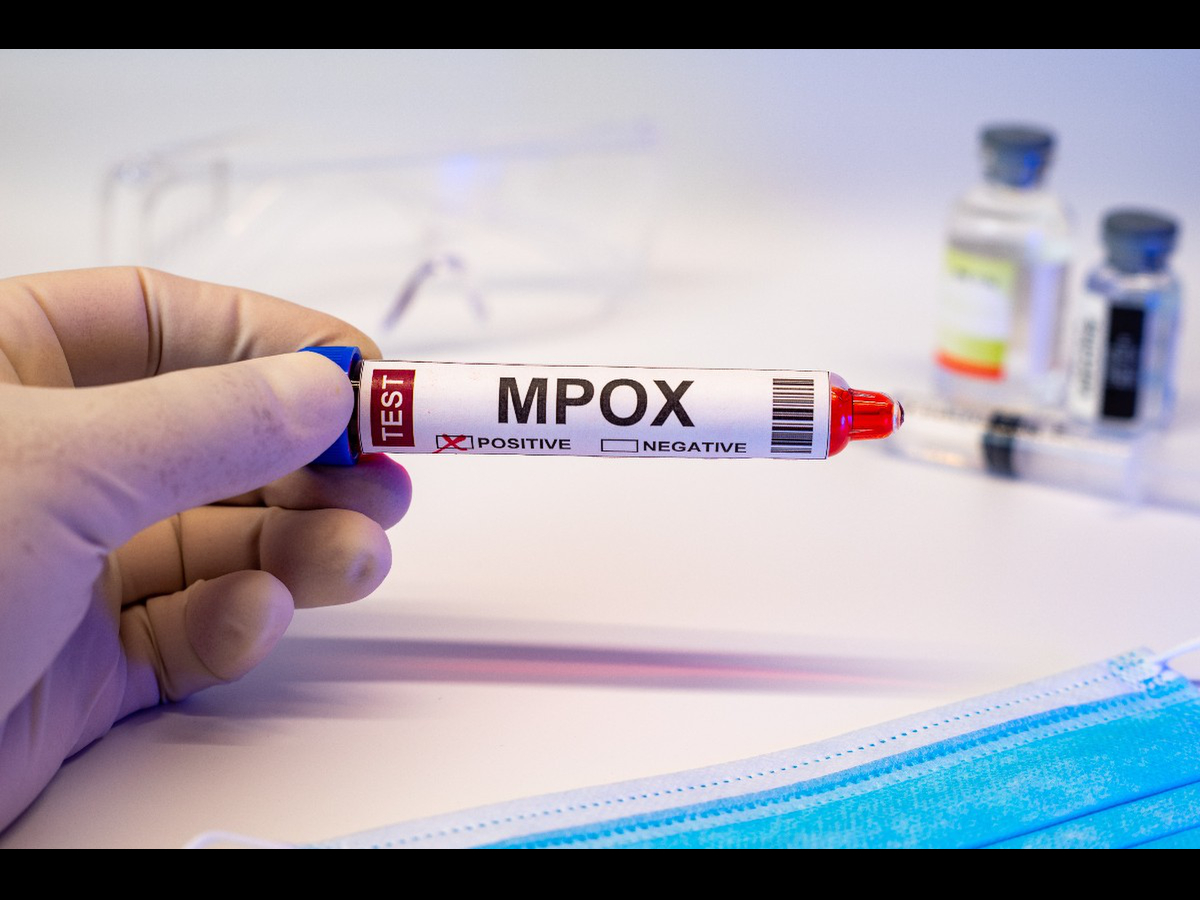
Global health advocates are urging diagnostics firm Cepheid to slash the price of its GeneXpert mpox test from $20 to $5 per test. This reduction, they argue, is critical to combat low testing rates in poorer countries like the Democratic Republic of Congo (DRC), which is among the hardest hit by the mpox outbreak.


Current Challenges

  • High Test Costs: Cepheid’s GeneXpert test is one of three World Health Organization (WHO)-approved diagnostics for emergency mpox testing. However, its current pricing is unaffordable for low-income nations, particularly in Africa.
  • Rising Cases in Africa: The WHO reported an overall increase in mpox cases across Africa, with some stabilization in Congo. Yet, inadequate testing infrastructure hampers confirmation of cases, limiting effective responses.

Advocacy Efforts

  • A coalition of health groups, including Public Citizen and Médecins Sans Frontières, sent a letter to Cepheid and its parent company, Danaher. They are pressing for a price reduction to $5 and prioritization of supplies to African nations.
  • Advocates argue that Cepheid’s existing network of diagnostic machines in Africa, widely used for tuberculosis testing, could be leveraged for mpox diagnostics if costs are reduced.

Cepheid’s Response

  • Cepheid stated it has ramped up production of its mpox test to meet urgent demands, particularly following requests from the WHO.
  • The company claims to offer “significant” discounts through an access program for orders placed via WHO and related organizations, but has not disclosed specific pricing details.

Historical Precedent and Cost Analysis

  • In 2022, Danaher reduced prices for its tuberculosis tests to $7.97 after similar activist campaigns. Advocates argue that mpox tests could be produced for less than $5, based on research and cost analyses.
  • Public Citizen’s Peter Maybarduk emphasized that the recent WHO approval of Cepheid’s mpox test offers an opportunity to expand testing globally, stating, “Lower prices would help health agencies meet the moment.”

Conclusion

Lowering the price of mpox diagnostic tests is crucial to managing outbreaks in vulnerable regions. Cepheid’s actions in response to the advocacy push will determine the extent to which testing can be scaled up in poorer countries, especially as the virus continues to pose significant health challenges in Africa.


Bayer Shareholders Urge CEO to Accelerate Turnaround Amid Declining Shares

Bayer AG (BAYGn.DE) is under increasing pressure from its shareholders to quicken its turnaround efforts following a dramatic 14.5% drop in share value earlier this week. The German agriculture and pharmaceutical giant has seen its stock hit a 20-year low after warning of weaker farmer demand impacting earnings for 2025.

CEO Bill Anderson, who has been implementing restructuring measures since his appointment, is being urged to deliver tangible results to restore shareholder confidence and reverse the company’s downward trajectory.


Challenges Facing Bayer

  1. Weak Market Conditions: A slump in farmer incomes, exacerbated by broader agricultural trends, has hit Bayer and competitors like BASF and Corteva.
  2. Specific Setbacks: Bayer faces unique challenges, including delays in U.S. regulatory approval for a new generation of soy seeds, expected to dent 2025 earnings.
  3. Monsanto Aftermath: The $63 billion acquisition of Monsanto in 2018 continues to weigh on Bayer through debt and ongoing U.S. litigation over claims that Monsanto’s Roundup weedkiller causes cancer.
  4. Pharma Struggles: While new drugs like Nubeqa (prostate cancer) and Kerendia (kidney disease) show promise, bestselling blood thinner Xarelto is declining due to patent expiration.

Shareholders Demand Action

Cost Cutting and Efficiency

  • CEO Anderson’s efforts include cutting managerial roles, streamlining decision-making, and reducing bureaucracy.
  • Shareholders, including Deka Investment and Union Investment, say these changes have not yet significantly impacted revenue or costs.

Pipeline Strengthening

  • Investors like Union Investment’s Markus Manns emphasize the need for a stronger pharmaceutical pipeline and clearer long-term growth strategies.

Market Performance and Valuation

  • Bayer’s warning of declining earnings contrasts with previous analyst expectations of a 3% increase in adjusted earnings by 2025.
  • Despite an attractive valuation at 3.9 times estimated forward earnings (compared to BASF at 11.5 and Corteva at 18.7), analysts at BMO Capital Markets hesitate to recommend the stock due to contracting earnings.

CEO’s Vision and Investor Sentiment

Anderson has pledged to contain litigation risks and improve operational performance. However, shareholder patience is wearing thin. Ingo Speich from Deka warned that without results, management would face increased scrutiny.

While Bayer struggles to project when earnings will bottom out, Anderson remains optimistic about the company’s “bright future.” However, turning this vision into reality will require significant progress in both pharmaceuticals and agricultural products.