
Examining the Health Effects of Coffee: Emerging Evidence and Benefits

For years, coffee was seen as a potential health risk, but recent research has revealed that moderate coffee consumption may have health benefits, possibly even lowering the risk of certain diseases. Caffeine, the world’s most popular stimulant, has long been scrutinized for its effects, but the view of coffee as a “bad” habit is evolving.

In the 1980s and 90s, early studies suggested links between coffee and cardiovascular disease. However, recent large-scale studies have observed that coffee drinkers may have a lower risk of heart disease, stroke, and some cancers. Marc Gunter, an epidemiologist and professor at Imperial College London, attributes this change to the growth in population-based studies that now offer data from hundreds of thousands of participants.

Concerns over coffee’s potential cancer risk stem from its acrylamide content, a compound found in various foods like toast and chips. While acrylamide has been associated with cancer in animals, the International Agency for Research on Cancer (IARC) concluded in 2016 that coffee itself is not carcinogenic unless consumed at extremely high temperatures (above 65°C/149°F). Research continues, with no strong evidence linking regular coffee consumption to cancer in humans.

Some of coffee’s benefits are attributed to its antioxidants, which remain present even in decaffeinated coffee. Studies from Europe, the United States, and the UK suggest that individuals who drink up to four cups daily may experience a reduction in risk for heart disease and certain cancers. Gunter’s research suggests coffee might provide a protective effect even in people with otherwise unhealthier habits, such as smoking.

Studies also show that caffeine itself might not be the sole source of coffee’s benefits, as both caffeinated and decaf coffees offer similar health effects. Researchers suspect other compounds, possibly polyphenols with anti-inflammatory properties, play a role. A 2018 study indicated that ground coffee offers stronger health benefits than instant coffee, likely due to higher levels of bioactive compounds.

The Complexities of Coffee and Pregnancy

Guidelines around caffeine intake are particularly complex for pregnant women. While some population studies hint at a potential link between coffee and miscarriage, other experts suggest that other factors, such as age and smoking, may explain this association. Esther Myers, a dietician who reviewed 380 studies, found no adverse effects from consuming three cups of coffee daily for pregnant women, while health agencies, such as the UK’s Food Standards Agency, recommend no more than one or two cups.

Emily Oster, an economist who has researched pregnancy guidelines, highlights the difficulty of drawing definitive conclusions from observational studies, especially when lifestyle and health differences among coffee drinkers may contribute to variations in miscarriage risk.

Caffeine Dependence and Withdrawal

Beyond health benefits, caffeine’s impact on mental alertness is noteworthy. Many people rely on coffee to enhance focus, yet daily drinkers may develop a tolerance, meaning they no longer experience an added boost but avoid withdrawal symptoms instead. Peter Rogers, a caffeine researcher at the University of Bristol, distinguishes between caffeine dependence and addiction, noting that withdrawal symptoms like tiredness and headaches are common but temporary, typically resolving within a week.

Does Coffee Type Matter?

Different brewing methods do not seem to significantly affect coffee’s health benefits. Gunter’s studies, which included espresso and instant coffee consumers, found that health improvements were consistent across types. However, some evidence suggests ground coffee might offer slightly better longevity benefits than instant or decaf due to its higher concentration of bioactive compounds.

Overall, Gunter advises moderation, suggesting that up to four cups daily may be beneficial for most people, including a potential reduction in heart disease and cancer risk. While excessive consumption may have downsides, moderate coffee drinking could be a healthy addition to many diets.
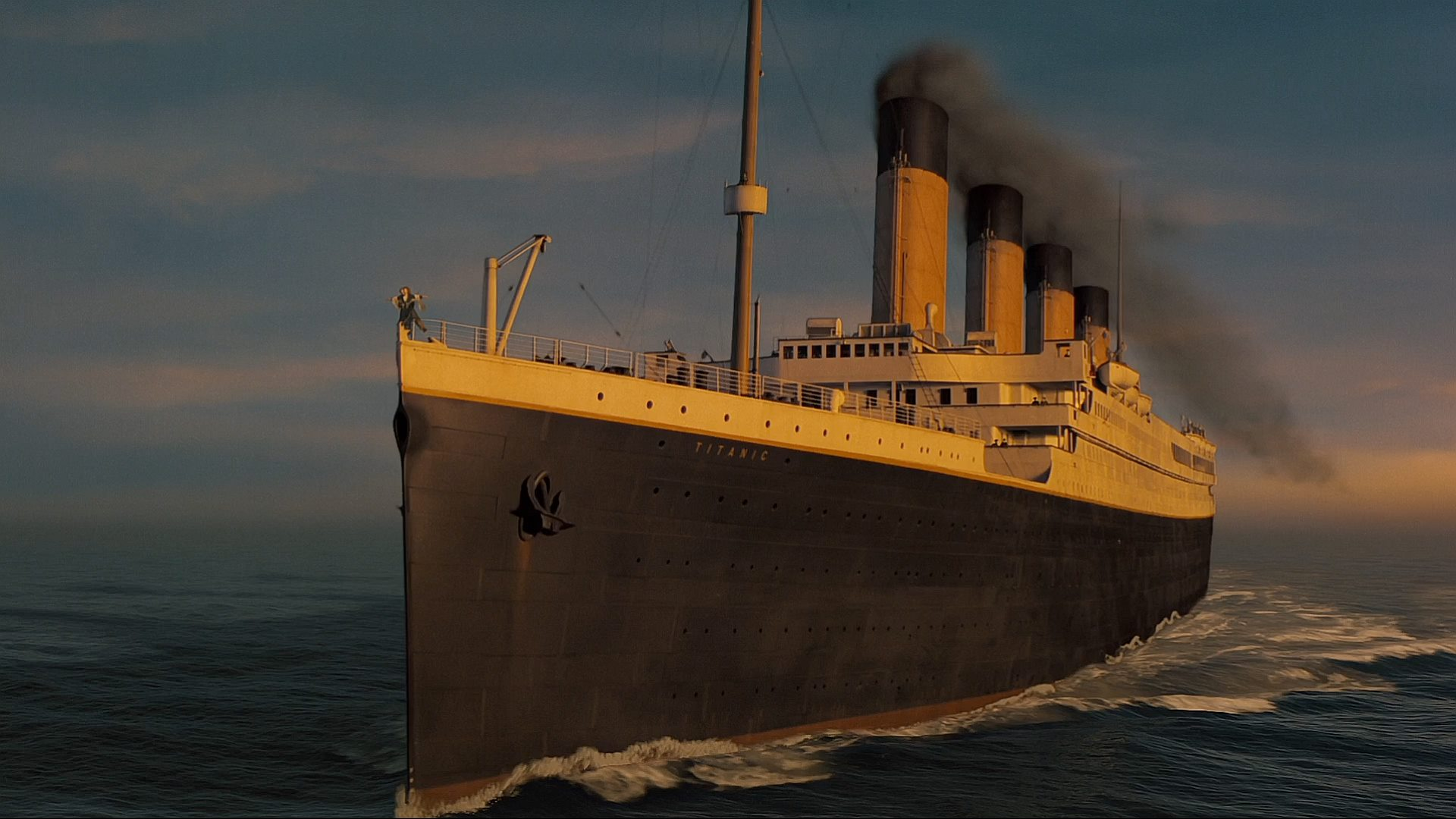

 

Titanic Passenger’s Final Postcard to Be Auctioned, Offering Poignant Glimpse Into History

A rare postcard penned by Richard William Smith, a first-class passenger aboard the Titanic, is set to go up for auction later this month. This moving piece of history, dated April 11, 1912, marks one of the last correspondences written by Smith, a British businessman, just days before the ill-fated ship struck an iceberg and sank, claiming the lives of around 1,500 passengers, including his own.

The postcard, addressed to Mrs. Olive Dakin in Norwich, England, is postmarked at 3:45 p.m. on the day the Titanic made a brief stop in Queenstown, Ireland (now Cobh), en route from Southampton to New York. Smith, who was traveling to America on business, wrote, “Have had a fine run around to Queenstown. Just leaving for the land of stars and stripes.” He signed off with, “Hope you are all quite well at home. Kindest regards, R.W.S.”

Smith entrusted the postcard to a family friend, Mrs. Nicholls, who disembarked in Queenstown, likely posting it on his behalf. This final memento is considered especially rare due to its Cork postmark, the nearest major city to Queenstown.

Andrew Aldridge, managing director of Henry Aldridge & Son, a UK auction house known for Titanic memorabilia, emphasized the postcard’s historical significance, describing it as “a powerful and poignant object.” He explained that while Titanic postcards are naturally rare, this specific artifact captures a moment of anticipation and innocence just days before the ship’s tragic demise.

The postcard is anticipated to sell for up to £10,000 ($12,900) in the “Titanic, White Star and Transport Memorabilia” auction on November 16. This auction is one of two annual events held by Henry Aldridge & Son, based in Devizes, England. In a prior sale in April, the auction house set a record for Titanic memorabilia when it sold a gold watch belonging to John Jacob Astor IV, the wealthiest passenger on board, for £1.175 million ($1.51 million)—ten times its initial estimate.

This postcard offers collectors a deeply personal piece of Titanic history, preserving Smith’s excitement and unwitting farewell before the ship met its tragic fate.

Endangered Pygmy Hippo Calf Born at Edinburgh Zoo Named “Haggis”

A new and endangered resident has arrived at Edinburgh Zoo—a female pygmy hippo calf named Haggis. Born on October 30 to parents Otto and Gloria, Haggis is already capturing hearts and raising awareness for her rare species. Pygmy hippos, native to the forests and swamps of West Africa, particularly Liberia, are critically endangered, with only around 2,500 left in the wild according to the International Union for Conservation of Nature (IUCN).

The birth of Haggis is a significant moment in the zoo’s conservation efforts. To ensure her health and development, the hippo house has been temporarily closed to visitors so the zoo’s keepers can closely monitor the calf and her mother during these crucial early days. “The first 30 days are critical for her development,” said Jonny Appleyard, the hoofstock team leader at Edinburgh Zoo. “Haggis is doing really well so far, and it’s amazing to see her personality beginning to shine already,” he added.

Haggis joins her older sister, Amara, born in 2021, who was relocated to London Zoo last year as part of the European breeding program to help conserve this endangered species. Pygmy hippos are elusive creatures, known for their solitary nature, and efforts to raise awareness of their plight are essential, particularly as habitat loss and hunting continue to threaten their populations.

Edinburgh Zoo’s new addition follows the global popularity of Moo Deng, a pygmy hippo calf born in Thailand earlier this year. Moo Deng’s viral fame has brought attention to her species through videos shared online by her keepers at Khao Kheow Open Zoo. “While Thailand’s Moo Deng has become a viral global icon, it is important to remember that pygmy hippos are incredibly rare,” Appleyard emphasized, expressing hope that Haggis can serve as Edinburgh Zoo’s ambassador to inspire visitors to learn more about the challenges pygmy hippos face in the wild.

As visitors eagerly await a chance to see Haggis, her birth serves as a heartwarming reminder of the ongoing conservation efforts needed to protect endangered species and their natural habitats.