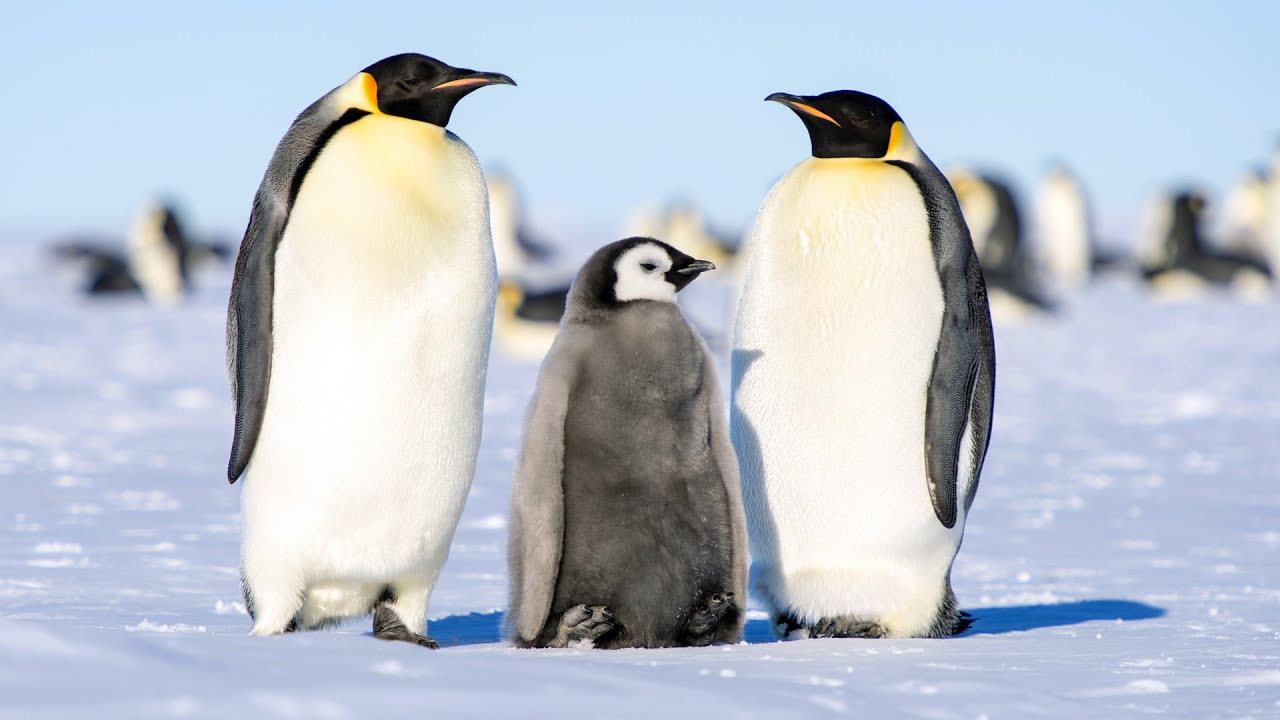
Emperor Penguin Makes Rare Appearance on Australian Beach, Far from Antarctic Habitat

In a rare and surprising event, an emperor penguin was spotted on Ocean Beach in Denmark, Western Australia, thousands of miles from its Antarctic habitat. This unexpected visitor was found last Friday and is now in the care of a trained wildlife carer, according to the Department of Biodiversity, Conservation and Attractions (DBCA).

The penguin, described as “malnourished” by a DBCA spokesperson, is expected to undergo a rehabilitation process that could take several weeks. The rescue team is closely monitoring the animal’s condition, aided by a DBCA officer to ensure it receives proper care.

The penguin’s appearance on Ocean Beach, over 2,200 miles north of Antarctica, is highly unusual. Belinda Cannell, a research fellow at the University of Western Australia, explained that this is the first recorded instance of an emperor penguin venturing so far north. The penguin may have followed an ocean current rich in food that led it to Australian waters, she told ABC News.

Local surfer Aaron Fowler, who witnessed the penguin’s arrival, described seeing the large bird waddle ashore. “It was massive, way bigger than a sea bird. It just waddled straight up to us,” he recounted. He added, “It tried to slide on its belly like it would on snow but face-planted in the sand and then shook itself off.”

Emperor penguins are the largest of all penguin species, reaching heights of up to 45 inches and weighing as much as 88 pounds. They typically breed and live exclusively in Antarctica, where the freezing climate and extensive sea ice are essential for their survival. The ice provides a safe environment for breeding, protection from predators, and access to food sources.

However, climate change poses a significant threat to the species. Rising global temperatures, driven by greenhouse gas emissions, are causing sea ice to diminish. A recent study found that four out of five emperor penguin colonies in the Bellingshausen Sea saw no chicks survive in 2022 due to a massive sea ice loss. Scientists warn that without significant climate action, over 90% of emperor penguin colonies could face near-extinction by 2100.

The appearance of this emperor penguin in Australia highlights both the remarkable endurance of this species and the environmental challenges threatening its future.
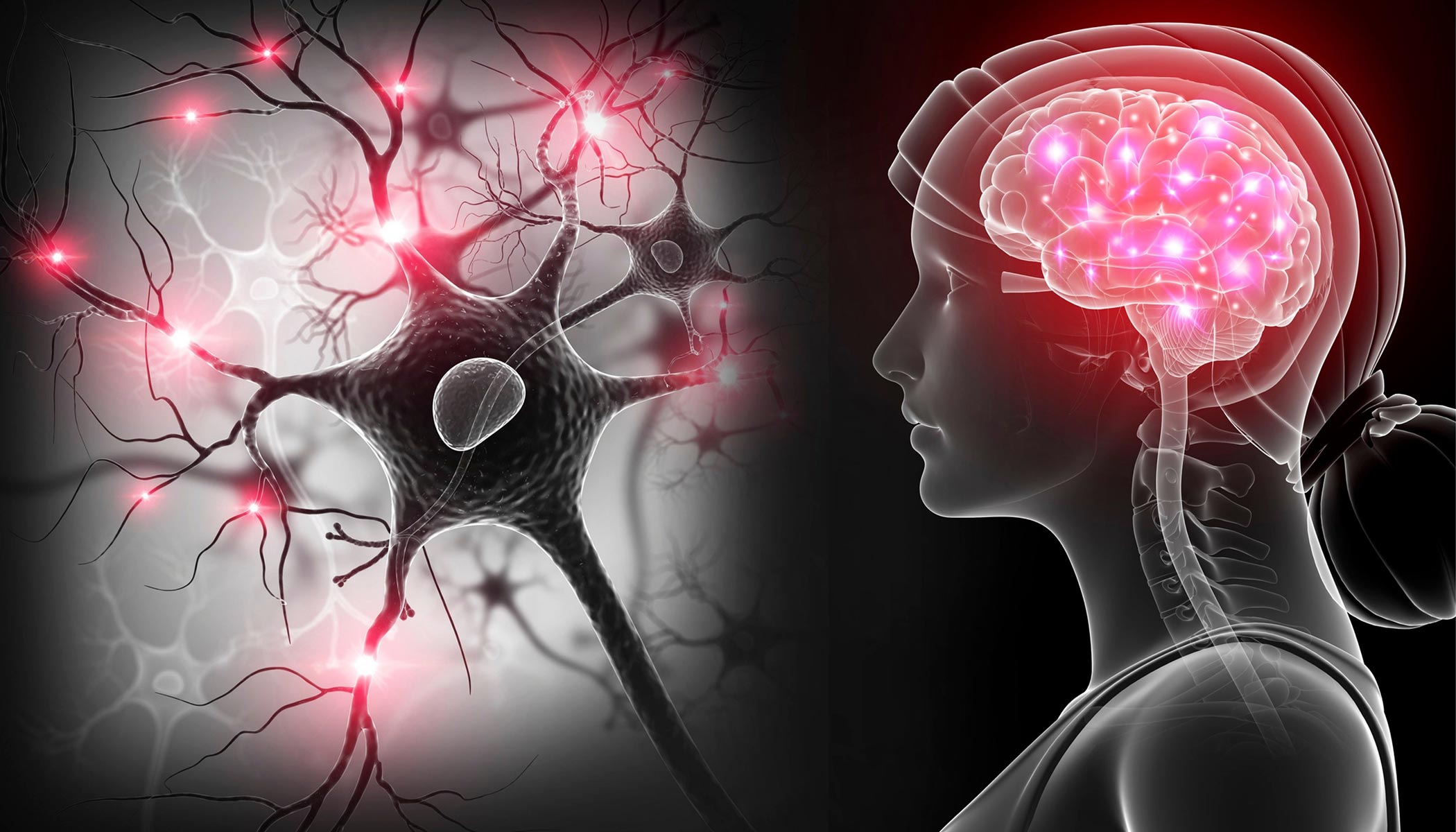

Study Finds Link Between Brain Injuries and Increased Alzheimer’s Disease Risk

New Study Links Traumatic Brain Injuries to Increased Alzheimer’s Disease Risk

Recent research from The Ohio State University Wexner Medical Center has provided compelling evidence that traumatic brain injuries (TBI) may significantly increase the likelihood of developing Alzheimer’s disease. By utilizing both animal models and human brain tissue samples, scientists have identified a potential link between TBIs and the accumulation of harmful proteins in the brain, which are associated with cognitive decline. Central to this discovery is the role of a protein called BAG3, which is crucial for the removal of toxic proteins. The study proposes that enhancing BAG3 levels could be a promising strategy to mitigate Alzheimer’s risk in individuals who have suffered TBIs.

Every year, approximately 2.5 million people experience TBIs, with a notable portion facing heightened risk for Alzheimer’s disease as they age. Led by Dr. Hongjun “Harry” Fu, Assistant Professor of Neuroscience, the research team aimed to explore the molecular pathways connecting TBI to Alzheimer’s. Their findings revealed that TBIs significantly increase the presence of hyperphosphorylated tau proteins in the brain. These tau proteins are known to disrupt normal cellular function and are key contributors to the neurodegenerative processes seen in Alzheimer’s disease. The research highlights how TBIs can create a perfect storm for cognitive decline by facilitating the conditions necessary for protein aggregation.

The study also emphasizes the importance of BAG3 in maintaining brain health following injury. Researchers discovered that BAG3 levels decrease after a TBI, leading to an increased accumulation of tau proteins in neurons. This depletion can exacerbate cognitive issues and accelerate the progression of neurodegenerative diseases. However, the team’s innovative approach to gene therapy aimed at boosting BAG3 levels demonstrated promising results. By restoring BAG3 expression, they observed improvements in brain function and a reduction in the accumulation of toxic proteins, suggesting a potential therapeutic pathway for preventing Alzheimer’s disease.

The implications of this research are significant, particularly as the incidence of TBIs continues to rise, especially among athletes and individuals involved in high-risk occupations. By focusing on BAG3 as a target for intervention, the study opens the door for developing novel strategies to protect brain health in those who have experienced TBIs. Future research will be critical to further elucidate the mechanisms at play and to determine the feasibility of implementing BAG3-targeted therapies in clinical settings. Ultimately, this study not only enhances our understanding of the relationship between brain injuries and Alzheimer’s but also offers hope for new preventive measures against cognitive decline.

Boeing’s Intelsat 33e Satellite Breaks Apart in Space, Creating Significant Debris Field

Boeing’s Intelsat 33e, a significant player in global communications, unexpectedly disintegrated in orbit over the weekend, resulting in the creation of at least 20 pieces of debris. Prior to this incident, the satellite had been operating from a stable geostationary orbit above the Indian Ocean, providing critical broadband communication services to regions spanning Europe, Africa, and Asia. However, the satellite ceased functioning on October 19, 2024, and Intelsat, its operating company, confirmed the total loss of the satellite just two days later, on October 21. The cause behind the satellite’s sudden breakdown remains shrouded in mystery, prompting investigations into the incident.

Following the breakdown of Intelsat 33e, the U.S. Space Force confirmed the satellite’s fragmentation into multiple debris pieces. Although the fragments currently pose no immediate threat to other operational satellites, the event highlights the ongoing issue of space debris and the potential hazards it poses to future space missions. Intelsat officials have announced that they are working closely with Boeing and relevant government agencies to uncover the root cause of the satellite’s malfunction. A Failure Review Board has been established to conduct a thorough investigation, ensuring that any findings can be used to enhance safety and reliability in future satellite operations.

This incident is particularly concerning as Intelsat 33e was part of Boeing’s EpicNG satellite platform, which was developed to provide next-generation communication capabilities. Launched in 2016, Intelsat 33e represented significant advancements in satellite technology. However, the platform has come under scrutiny following this latest failure, marking the second incident involving its satellites. Previously, Intelsat 29e experienced operational issues after potentially being struck by a micrometeoroid or affected by solar activity. These recurring failures have diminished the expected operational lifespan of these satellites, raising alarms about the overall reliability of Boeing’s satellite systems.

As the space industry continues to expand, the implications of this incident extend beyond the immediate loss of Intelsat 33e. It raises critical questions about the robustness of satellite designs and the challenges posed by the harsh environment of space. With an increasing number of satellites being launched, the management of space debris is becoming an urgent priority for space agencies and private operators alike. The investigations into Intelsat 33e’s failure will likely inform future designs and operational protocols, reinforcing the need for rigorous safety standards in satellite technology.