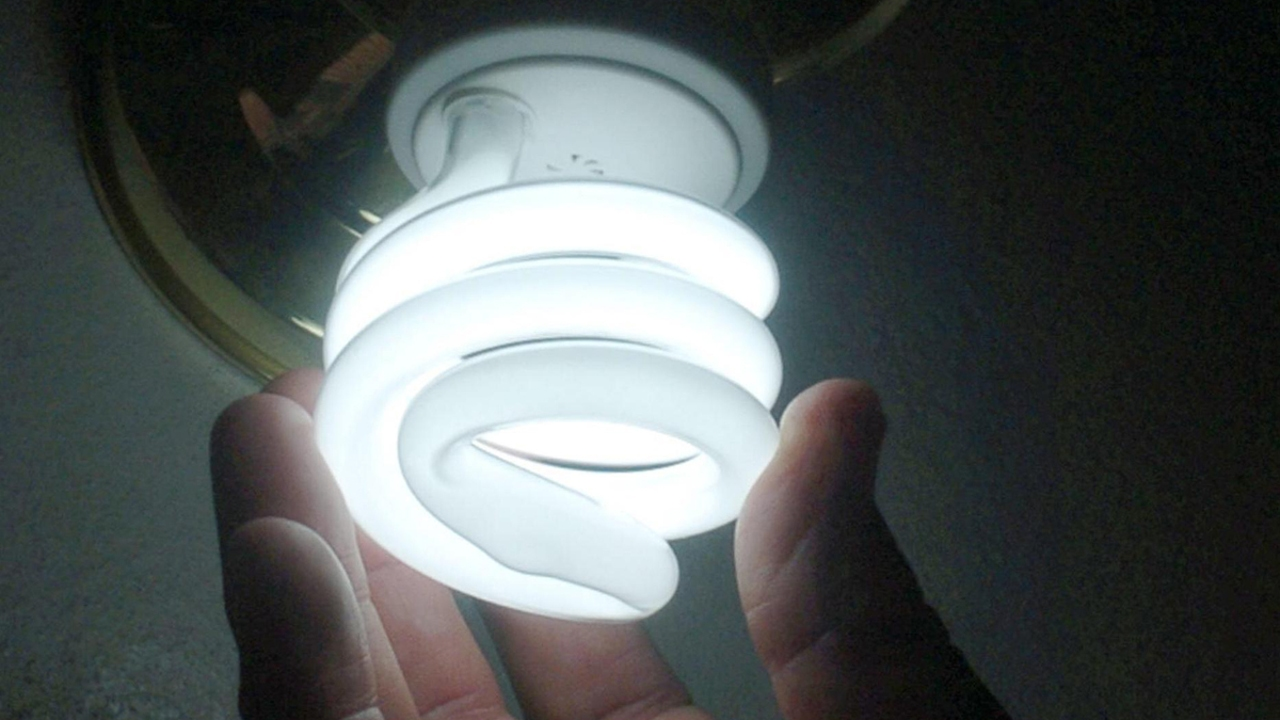
The Smart Way to Cut Your Electricity Bill: How Timer Plugs Work

In an age where almost every household device seems to have turned “smart,” even something as simple as a power plug has evolved. Among the most practical innovations are timer plugs, small yet powerful tools designed to help you save energy and reduce your electricity bill effortlessly.

A timer plug works as an automatic switch that turns appliances on and off according to a preset schedule. Once connected to a wall socket, you can plug in any electrical device—such as a heater, lamp, or coffee maker—and program when it should start or stop operating.

The main advantage is energy efficiency. Timer plugs prevent unnecessary power use by ensuring that appliances only operate when needed, helping to eliminate “phantom” energy consumption from devices left on standby. They’re also useful for home security, as lights can be programmed to turn on and off while you’re away, simulating occupancy.

These plugs are especially handy for managing lighting systems, air conditioners, water heaters, and irrigation systems, allowing users to match operation times with cheaper energy rate hours.

Installation is simple: plug the timer into the wall, connect your device, set the hours, and you’re done. Models come in two main types — analog timers, which resemble clock dials, and digital versions, which often include screens and even mobile apps for remote control.

Timer plugs have become one of the easiest and most affordable ways to gain control over home energy consumption, combining convenience, safety, and sustainability in a single device.
Warning for Samsung Galaxy Users: Spyware ‘Landfall’ Found Stealing Data for Nearly a Year

Cybersecurity researchers from Palo Alto Networks’ Unit 42 have discovered a dangerous Android spyware called Landfall, which has been targeting Samsung Galaxy devices for nearly a year, stealing sensitive user data without detection.

The spyware spread through a malicious DNG image sent via messaging apps like WhatsApp, exploiting a zero-day vulnerability — unknown to Samsung at the time — to take full control of the infected device.

Once activated, Landfall could access photos, messages, contacts, call logs, location data, and even the microphone. According to the report, the first signs of the campaign appeared in July 2024, but Samsung only patched the flaw (CVE-2025-21042) in April 2025, leaving users exposed for months.

The vulnerability resided in ‘libimagecodec.quram.so’, allowing remote attackers to execute arbitrary code without user interaction. The main affected models include the Galaxy S22, S23, S24, and some Galaxy Z devices running Android 13 to 15.

Researchers believe the campaign was a targeted espionage operation, primarily affecting users in the Middle East, and possibly linked to private-sector offensive actors (AOSP).

It remains unclear who developed Landfall or how many users were affected, but senior researcher Itay Cohen described it as a “precision attack” rather than a widespread infection.

Samsung has released a security patch, and experts strongly advise all Galaxy users to update their devices immediately to stay protected.

A Decade After the Paris Agreement, the World Is Still Off Track on Climate Goals

Ten years after the Paris Agreement united world leaders around a shared goal of curbing global warming, the planet remains on a dangerous path — warming faster than efforts to cut carbon emissions can keep up.

When the accord was signed in 2015, nations pledged to limit temperature rise to 1.5°C above pre-industrial levels. Since then, the world has made progress — projections of future warming have dropped by about 1°C — yet the pace of climate action still trails far behind the intensifying damage from rising heat.

The planet’s temperature has climbed 0.46°C in the past decade, one of the steepest increases on record, according to Copernicus climate data. Each year since 2015 has been hotter than the year of the agreement. From deadly heat waves in India, Europe, and North America to wildfires in Hawaii and floods in Pakistan and China, the signs of accelerating climate disruption are everywhere.

Since 2015, the world has lost more than 7 trillion tons of ice from glaciers and polar sheets, while sea levels have risen 40 millimeters (1.6 inches) — enough to fill 30 Lake Eries. Even the Amazon rainforest, once a key carbon sink, has begun emitting more greenhouse gases than it absorbs due to deforestation.

Still, there are reasons for cautious optimism. Renewable energy now dominates new electricity capacity, accounting for 74% of growth in global power generation last year, and electric vehicle sales have surged from 500,000 in 2015 to 17 million in 2024.

However, greenhouse gas emissions continue to rise, with methane levels up 5.2% and carbon dioxide up 5.8% since 2015, driven largely by developing economies. According to the Global Carbon Project, China’s emissions have grown 15.5% and India’s 26.7%, while those of the U.S. and EU have declined by about 7%.

As delegates gather this week in Belem, Brazil, for COP30, scientists and diplomats agree that while the Paris Agreement laid the right foundation, the world has failed to stay on course.

“The Paris Agreement has underperformed,” said Joanna Depledge of the University of Cambridge. “You can’t say it’s failed — but you can’t say it’s succeeded either.”