Yazılar

Tesla’s Annual Deliveries Decline for the First Time Amid Weak Demand and Rising Competition

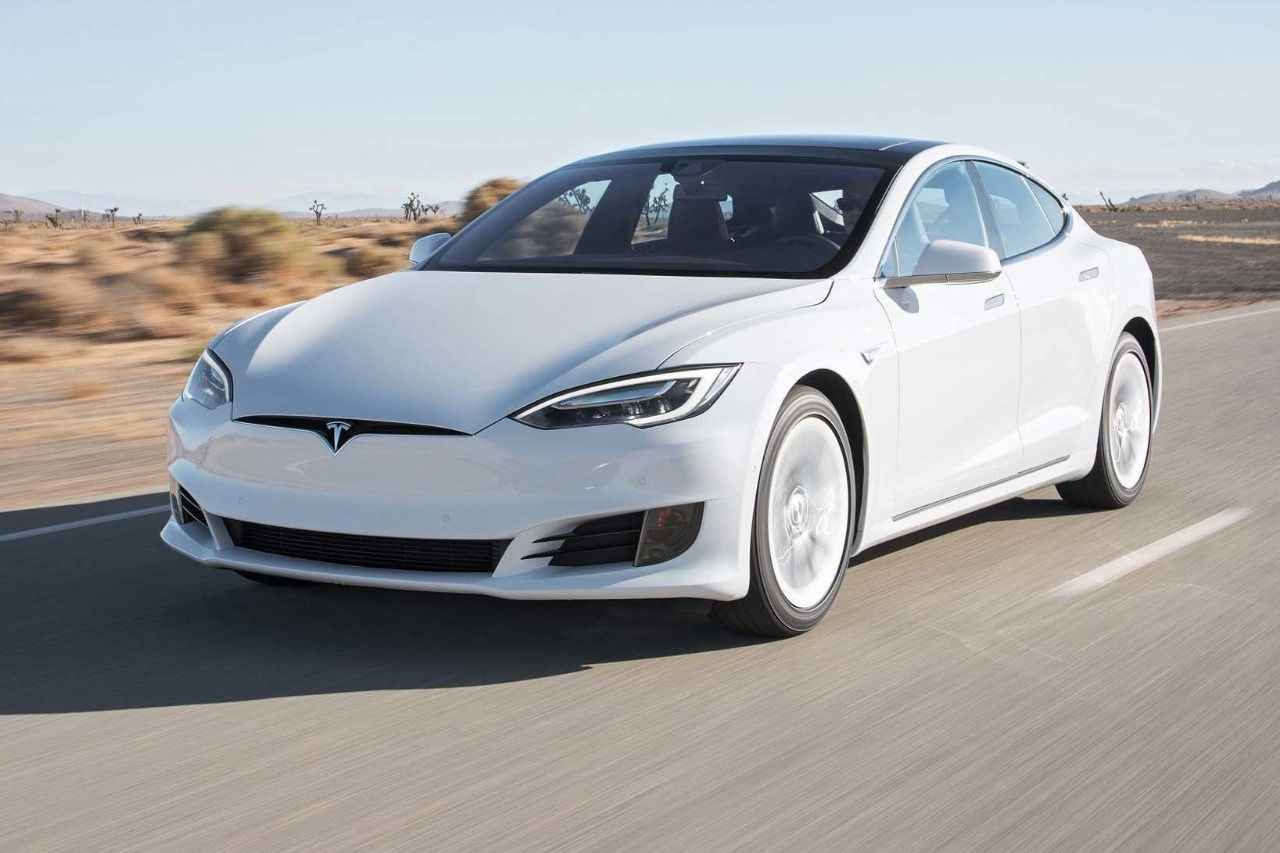
Tesla, the world’s leading electric vehicle (EV) maker, reported its first-ever annual decline in deliveries in 2024, with total deliveries falling 1.1% to 1.79 million units. The decline comes despite CEO Elon Musk’s earlier prediction of “slight growth” and an array of year-end incentives, including interest-free financing and free fast-charging. These efforts failed to counteract high borrowing costs, aging models, and increasing competition, particularly from China’s BYD.

Tesla’s quarterly deliveries in the fourth quarter totaled 495,570 vehicles, missing analysts’ estimates of 503,269 units. The company produced 459,445 vehicles in the same period, down 7% year-on-year. For the year, Tesla delivered 471,930 Model 3 and Model Y vehicles and 23,640 units of other models, including the Model S, Model X, and the newly launched Cybertruck. However, Tesla has not disclosed specific delivery figures for the Cybertruck, which has shown signs of soft demand despite its futuristic design.

Challenges in Global Markets

Tesla faced significant headwinds globally in 2024. Reduced subsidies in Europe, a consumer shift in the U.S. toward lower-priced hybrid vehicles, and tougher competition from Chinese EV makers contributed to the decline. Notably, Tesla’s October registrations in Europe dropped 24%, with Volkswagen’s Skoda Enyaq SUV dethroning the Model Y as the region’s best-selling EV, according to JATO Dynamics.

In the U.S., Tesla’s challenges were compounded by potential policy changes under President-elect Donald Trump. The Trump administration is reportedly considering ending the $7,500 federal tax credit for EV purchases in 2025, a move analysts believe could further slow the adoption of EVs in the country.

Bright Spot: Record Sales in China

China, Tesla’s second-largest market, was a rare bright spot. The company achieved record sales of over 657,000 vehicles in the country, an 8.8% increase from 2023. Aggressive discounts and incentives helped Tesla outperform in the world’s largest auto market, even as global deliveries declined.

BYD, Tesla’s closest competitor, reported a 12.1% rise in global EV sales to 1.76 million units in 2024. BYD’s success was driven by competitive pricing and strong growth in Asian and European markets, intensifying competition for Tesla.

Future Prospects and Musk’s Strategic Shift

With demand for its current lineup nearing saturation, Musk is pivoting Tesla’s focus toward building a self-driving taxi business, a venture he expects to significantly boost the company’s value. However, autonomous driving technology is still years away from full commercialization, leaving Tesla reliant on its upcoming cheaper car models and the Cybertruck to meet its ambitious 20%-30% growth target for 2025.

Musk has also positioned himself as a key ally of the incoming Trump administration, donating millions to Trump’s campaign. Musk plans to use his influence to advocate for federal approval of autonomous vehicles to replace state-specific regulations, which he described as cumbersome.

Investor Reactions and Outlook

Tesla’s shares fell 6% after the announcement of its delivery decline, with analysts raising concerns about the company’s growth trajectory and the market saturation of its current models. Morningstar analyst Seth Goldstein highlighted that slower deliveries reduce Tesla’s potential market for ancillary services like autonomous driving software, charging, and insurance.

Analysts remain cautious about Tesla’s ability to rebound. The company faces intensifying competition, regulatory uncertainty, and the challenge of rejuvenating consumer demand in a slowing EV market.
 

Tesla Achieves Record China Sales in 2024 Amid Global Decline

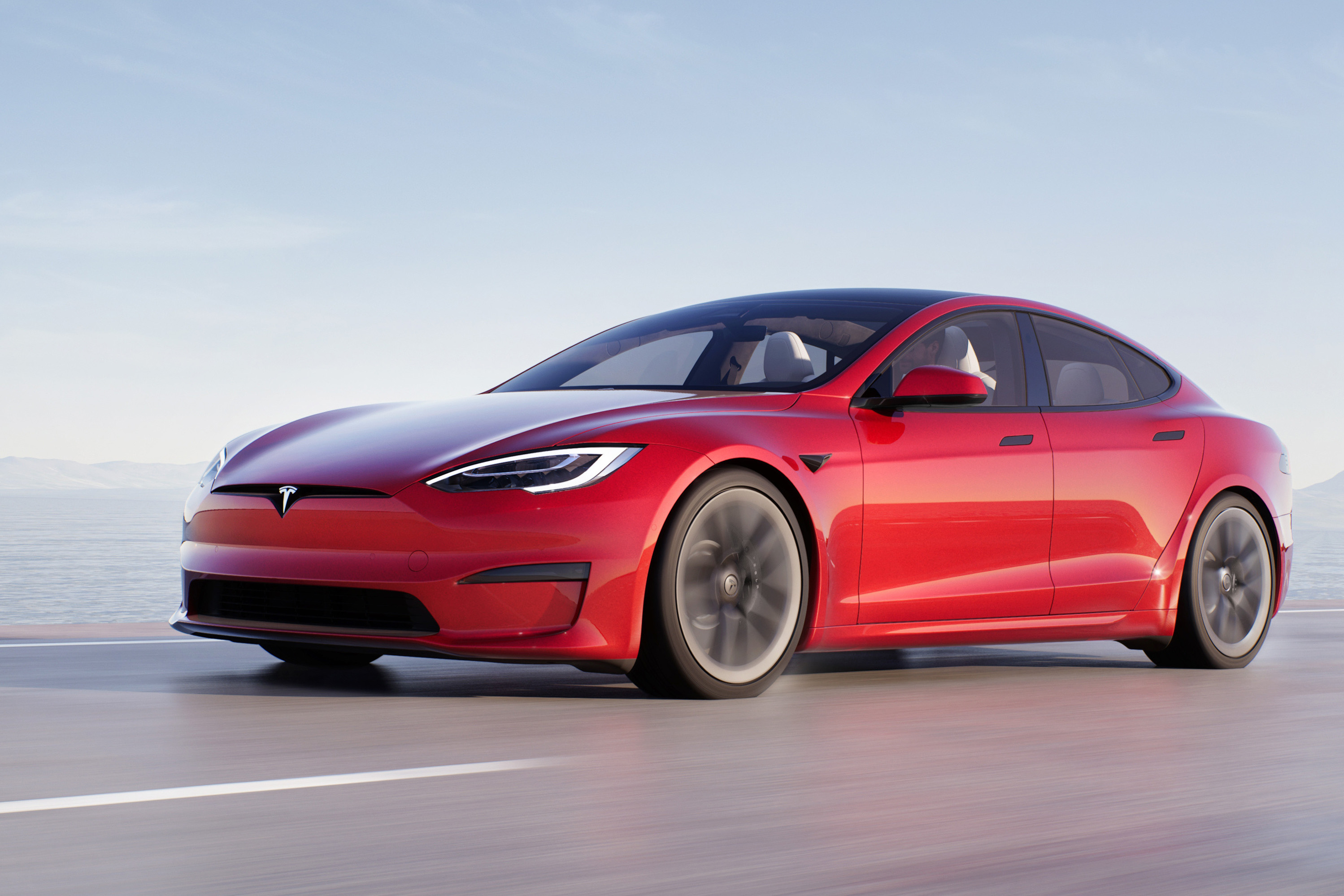
Tesla’s performance in China hit a new high in 2024, with sales rising 8.8% to over 657,000 vehicles, even as global deliveries fell for the first time in the company’s history. In December, Tesla China recorded its highest monthly sales of 83,000 units, marking a 12.8% increase from the previous month. China accounted for 36.7% of Tesla’s total deliveries, solidifying its position as the company’s second-largest market.

Despite Tesla’s strong performance in China, global deliveries slipped by 1.1%, falling short of CEO Elon Musk’s earlier prediction of slight growth. Contributing factors included a 24% drop in exports from China, reduced subsidies in Europe, increased competition from Chinese EV makers like BYD, and a growing U.S. preference for lower-priced hybrid vehicles.

Tesla’s Shanghai plant, the company’s most productive factory, saw a 3.3% decline in sales of its China-made Model 3 and Model Y vehicles, including domestic and export markets. Total exports from China fell to 260,000 units, the lowest since 2021. Exports to Europe were particularly affected by the EU’s subsidy investigation into Chinese EVs, resulting in an October tariff of 7.8% on Tesla cars from China.

China Leads Global EV Growth

China remained the only major market with robust EV growth in 2024, accounting for 70% of global EV and hybrid sales. Over 90% of the increase in global EV sales originated in China, underscoring the country’s dominance in the electric vehicle sector. John Zeng, head of market forecasting at GlobalData, noted that China’s growth starkly contrasts with stagnation or decline in other markets.

Tesla maintained a narrow lead in global sales, delivering 1.79 million cars, just ahead of BYD’s 1.76 million units. However, BYD outpaced Tesla in growth, with a 12.1% increase in EV sales globally and a 41% surge in total passenger vehicle sales, reaching over 4.25 million units. BYD’s overseas sales rose 71.9% to 417,204 units, though it fell short of its 450,000-unit export target due to a 17% EU tariff.

Tesla’s Strategic Adjustments

Amid fierce competition and an ongoing price war in China, Tesla has extended a 10,000-yuan ($1,369.99) discount for loans on its Model Y and offered zero-interest financing for up to five years on some Model 3 and Model Y cars. These incentives aim to maintain Tesla’s competitive edge in a market dominated by aggressive cost-cutting strategies from rivals like BYD.

Challenges and Investigations

Tesla downsized its global workforce in response to declining demand and heightened competition. Similarly, BYD faced challenges, including an investigation by Brazilian authorities into the working conditions of Chinese laborers at a construction site for a BYD factory in Brazil. Nearly 20% of BYD’s overseas sales came from Brazil, highlighting its importance as a growing market despite these setbacks.


BYD Contractor Denies Brazilian Authorities’ ‘Slavery-Like Conditions’ Claims

Jinjiang Group, a contractor for Chinese electric vehicle maker BYD, rejected accusations from Brazilian authorities that 163 Chinese nationals working on a construction site in Bahia state were subjected to “slavery-like conditions.” In a statement on Thursday, Jinjiang argued that the allegations were based on misunderstandings stemming from cultural differences and translation errors.

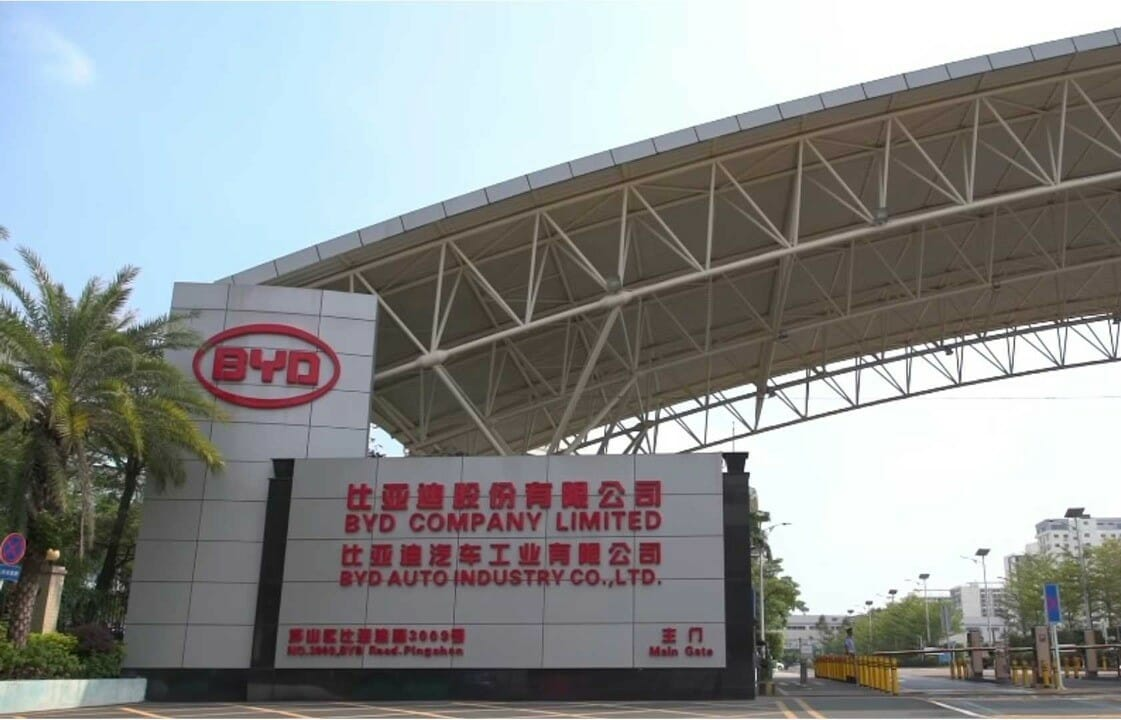
Brazilian labor authorities had reported finding workers in exploitative conditions at a site for a BYD-owned factory. In response, BYD stated it had severed ties with the firm responsible for hiring the workers and was cooperating with authorities.

Jinjiang defended its practices, stating, “Being unjustly labeled as ‘enslaved’ has insulted the dignity and human rights of our employees and hurt the pride of the Chinese people.” The company also claimed the questioning by Brazilian inspectors was “suggestive” and shared a video of workers disputing the claims.

In the video, workers clarified that 107 individuals had voluntarily handed over their passports to the company for assistance in obtaining temporary ID certificates, countering Brazilian authorities’ assertion that their documents were withheld. A worker in the video expressed satisfaction with their work conditions and highlighted their commitment to the completion of the factory, which is expected to begin production in late 2024 or early 2025.

BYD has positioned Brazil as a key market, with the factory aiming to produce 150,000 cars annually. However, the incident adds strain to China-Brazil relations, as China’s foreign ministry confirmed that its embassy in Brazil is in communication with local counterparts to address the matter.

BYD’s General Manager of Branding, Li Yunfei, accused “foreign forces” and some media outlets of attempting to tarnish Chinese brands and undermine ties between China and Brazil. The controversy also arises as Brazil plans to raise tariffs on imported electric vehicles from 18% to 35% by July 2026, further underscoring the importance of domestic production.

Jinjiang reiterated its commitment to compliance, stating that cultural misunderstandings had been at the root of the controversy and affirming its intention to support the success of Brazil’s largest new energy vehicle project.