Yazılar

Honda and Nissan in Talks for Potential Merger Amid Rising Competition

Honda and Nissan are reportedly in discussions to deepen their partnership, which could include a possible merger, according to sources on Wednesday. This move signals the increasing pressure on Japan’s automotive industry as it faces fierce challenges from EV leaders like Tesla and emerging Chinese automakers such as BYD.

Potential Scale of the Merger

If a merger proceeds, the combined entity would be valued at $54 billion, producing 7.4 million vehicles annually, ranking it as the world’s third-largest automaker behind Toyota and Volkswagen. The two companies already entered a strategic partnership in March to collaborate on electric vehicle (EV) development. However, worsening financial difficulties for Nissan have created urgency for closer ties.

Nissan’s Struggles and the Case for Collaboration

Nissan has been grappling with declining sales in the U.S. and China, which led to an 85% plunge in Q2 profits. Last month, the company announced a $2.6 billion cost-cutting plan, including eliminating 9,000 jobs and reducing production capacity by 20%. Analysts suggest the merger could serve as a rescue move for Nissan while also helping Honda address future challenges in EV development and cash flow.

“Honda’s EV ventures have struggled, and its cash flow could deteriorate next year. This deal, while aiding Nissan, is also forward-looking for Honda,” said Sanshiro Fukao, an executive fellow at Itochu Research Institute.

Market Reactions

The possibility of a merger caused Nissan shares to surge 24%, while Honda shares dropped 3%. Mitsubishi Motors, in which Nissan holds a 24% stake, saw its shares climb nearly 20%. The news also boosted shares of Renault, Nissan’s largest shareholder, by 6.7%.

Broader Challenges in the Auto Industry

The discussions come amidst intensifying global competition. An EV price war initiated by Tesla and BYD has created additional pressure on automakers struggling to stay competitive in the next-generation vehicle market. Moreover, geopolitical concerns, including U.S. President-elect Donald Trump’s threats of heavy tariffs on vehicles imported from Canada and Mexico, add to the uncertainty.

A Honda-Nissan merger could provide a new competitive axis against Toyota, which dominates the Japanese auto market. However, experts warn that such a partnership must overcome significant obstacles.

Cultural and Strategic Challenges

Analysts highlight potential difficulties in reconciling the different corporate cultures of Honda and Nissan. Honda is known for its technology-focused approach, particularly in powertrains, while Nissan’s recent struggles have raised concerns over its strategic direction.

“Mergers between major automakers rarely yield significant benefits due to culture clashes and strategy misalignments,” stated S&P Global Ratings. Tang Jin, a senior researcher at Mizuho Bank, added, “Honda’s tech-driven culture may resist a merger with a struggling competitor like Nissan.”

Broader Implications and Next Steps

The automakers are reportedly exploring ways to collaborate, such as establishing a holding company, with the possibility of a full merger under discussion. Additionally, there are plans for deeper cooperation with Mitsubishi.

Renault, Nissan’s largest shareholder, has expressed openness to a deal but will examine its implications. Meanwhile, Taiwan’s Foxconn, which has been expanding into EV manufacturing, unsuccessfully approached Nissan with a bid to take a controlling stake.

The three Japanese automakers are expected to hold a joint press conference on Monday in Tokyo, potentially to outline their plans for deeper collaboration.
 

BYD Set to Surpass 2024 Sales Goals, Overtake Ford and Honda

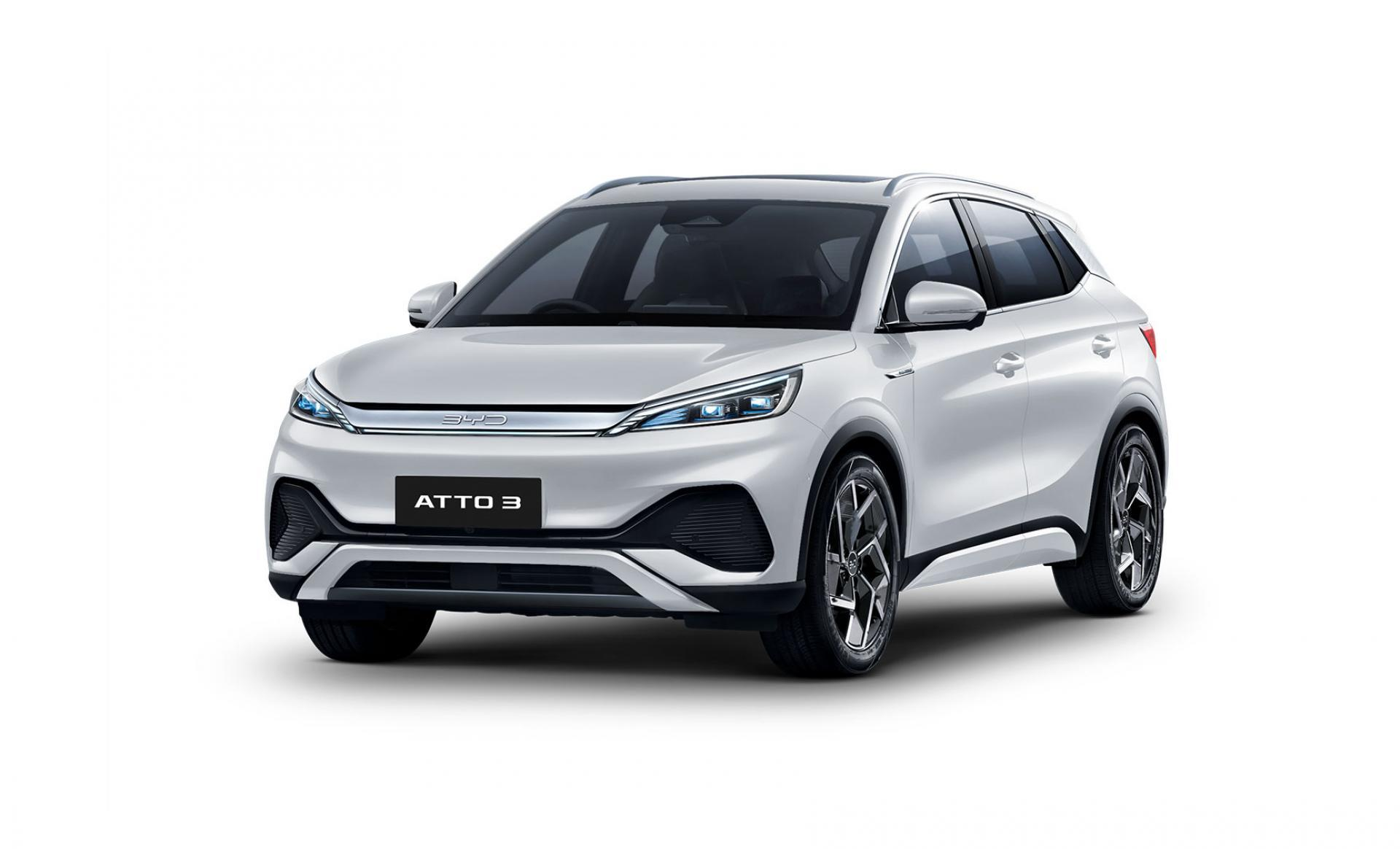
China’s leading electric vehicle (EV) maker, BYD, is poised to exceed its 2024 global sales target of 4 million vehicles, positioning it to surpass Ford and Honda in the process. The company’s growth has been bolstered by its significant market share gains in China, as well as strong sales driven by its competitive lineup of plug-in hybrid models. In the first 11 months of 2024, BYD delivered 3.76 million vehicles, including 506,804 units in November alone. This robust performance comes as China’s car sales grew at their fastest pace in 2024, supported by government-subsidized auto trade-ins.


Expansion and Market Share Gains

BYD’s impressive growth trajectory is largely fueled by an expansion in production capacity and an aggressive hiring strategy. The company added nearly 200,000 units in production capacity between August and October and hired 200,000 new employees. Its workforce now totals nearly 1 million, a sharp increase from 703,500 at the end of 2023. BYD’s market share in China stood at 17.1% as of November, a significant jump from 12.5% in 2023, according to the China Passenger Car Association.


Competitive Edge in the Price War

The company’s success is also attributed to its ability to thrive in a price war that has challenged foreign automakers. BYD has managed to maintain competitive pricing by requesting price cuts from suppliers and benefiting from its extensive scale. This strategic move has helped BYD reduce costs, outperform its rivals, and capitalize on the growing demand for electric vehicles in China.


Outpacing Rivals

BYD’s rapid growth in 2024 has allowed it to outpace traditional automakers like Ford and Honda. If current sales momentum continues, the company is on track to sell over 6 million units in the next 12 months, putting it in the same league as industry giants such as General Motors and Stellantis. The Chinese EV maker is targeting sales of 5 to 6 million vehicles in 2025, according to Citi analysts.

Chinese Automakers Ramp Up Hybrid Vehicle Exports to Europe Amid EV Tariff Shift

Chinese automakers are accelerating exports of hybrid vehicles to Europe, positioning themselves to bypass the European Union’s newly imposed tariffs on electric vehicles (EVs) from China. These tariffs, which aim to protect the EU’s domestic auto industry, do not apply to hybrid models, presenting a strategic loophole for Chinese carmakers like BYD, the country’s leading EV manufacturer.

The Rise of Hybrid Exports

In the wake of EU tariffs of up to 45.3% on Chinese EV imports, introduced in October 2023 to counter alleged unfair subsidies, exports of hybrids have surged. From July to October, hybrid exports from China to Europe more than tripled to 65,800 units compared to the same period last year. Consequently, hybrids accounted for 18% of China’s vehicle exports to Europe in Q3, up from 9% in Q1. By contrast, EV exports dropped slightly from 62% to 58%.

Hybrid vehicles, which combine gasoline and electric power, are gaining traction among European consumers as an economical alternative to fully electric or combustion-engine vehicles, especially during periods of high inflation.

Automakers Adjust Strategies

Faced with slowing car sales in China and high tariffs in North America, European markets are becoming an essential outlet for Chinese automakers. Companies are also exploring local production in Europe to mitigate tariff-related costs. BYD, for instance, is considering manufacturing hybrids and EVs at its Hungarian plant.

New Models Targeting European Consumers

Chinese automakers are rolling out competitive hybrid models for Europe:

  • BYD’s Seal U DM-i, its first plug-in hybrid for the European market, is priced at €35,900, undercutting Volkswagen’s Tiguan PHEV and Toyota’s C-HR PHEV.
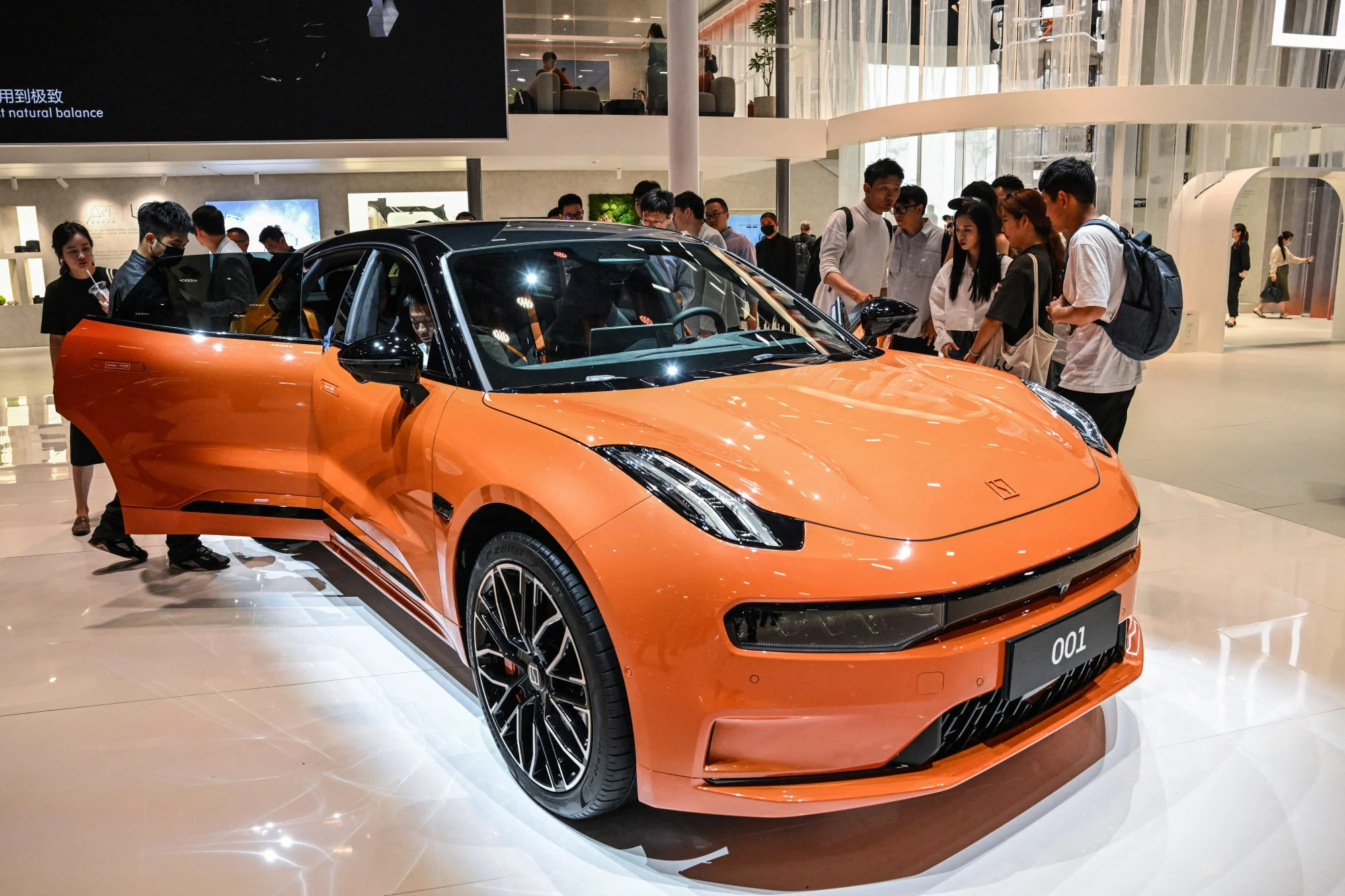
  • Geely, China’s second-largest automaker, launched a plug-in hybrid under its Lynk & Co brand in Europe.
  • SAIC Motor is developing a range of powertrain systems tailored to European consumers to offset the high 35.3% tariff on its EVs.

The competitive pricing strategy could reshape the hybrid vehicle market, where European and Japanese automakers currently dominate. However, analysts warn that overly aggressive pricing by Chinese firms may provoke further trade restrictions from the EU.

Global Implications

Japan’s automakers are also leveraging the growing demand for hybrids in Europe, partly to address overcapacity in China. Honda, which experienced a 29% slump in Chinese sales in the first nine months of 2023, is exporting hybrids and EVs from China to Europe.

Chinese automakers’ pivot to hybrids underscores a broader trend of diversification, with companies like BYD and Geely positioning themselves as global players. Nonetheless, their success in Europe will depend on balancing market expansion with regulatory risks.

As the EU hybrid market grows, cost-sensitive European consumers could benefit from these competitively priced models, potentially disrupting the traditional dominance of local and Japanese automakers.