Yazılar

Chinese Automakers Exceed Annual Delivery Targets Amid Strong Market Demand

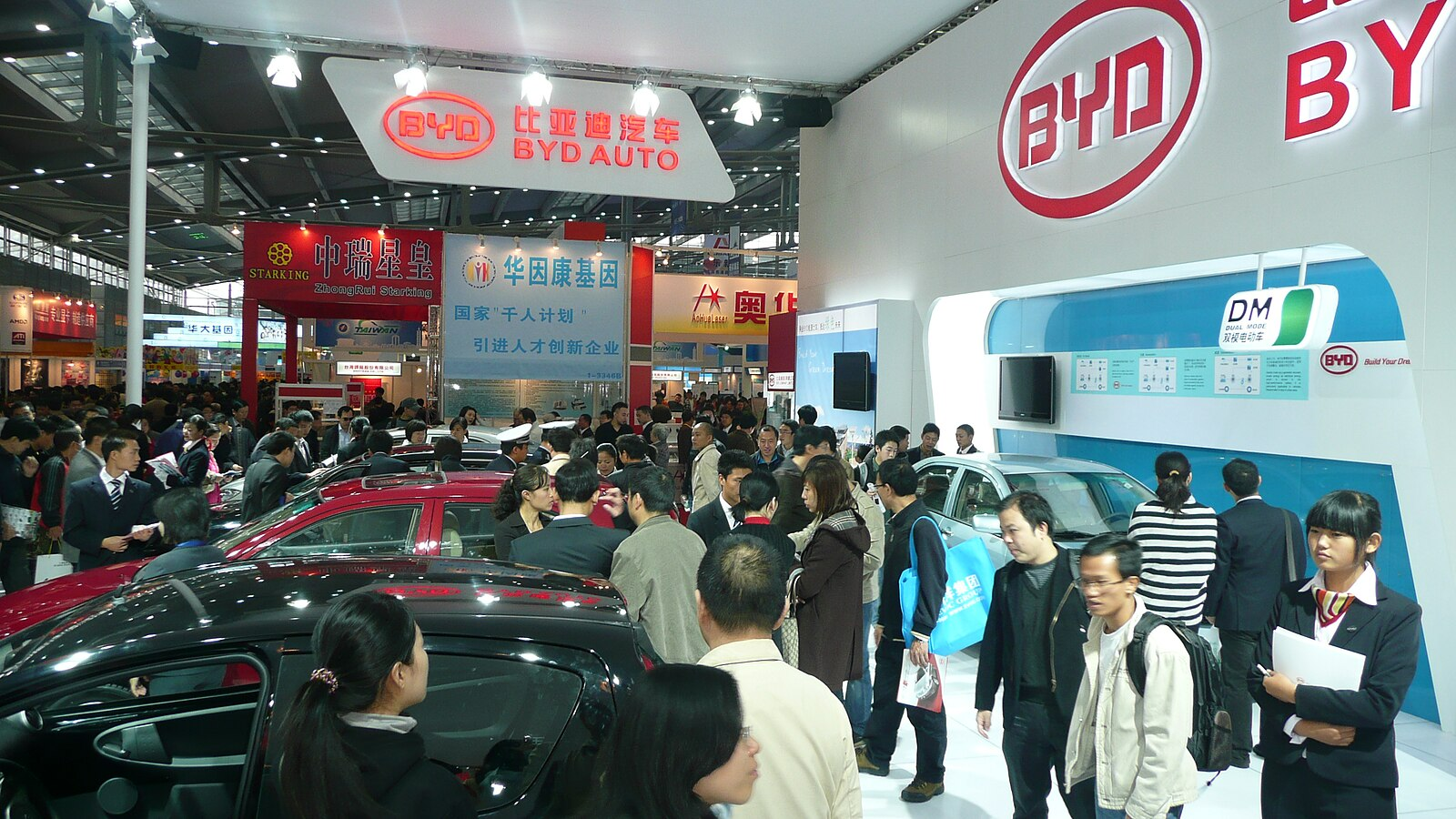
Leading Chinese automakers BYD, Leapmotor, Xiaomi, and others have surpassed their 2023 delivery targets ahead of schedule, highlighting the burgeoning growth in China’s electric vehicle (EV) market as the year nears its close.

Key Performers

  1. BYD
    • Delivered 504,003 passenger vehicles in November, a slight increase from October’s 500,526.
    • Year-to-date deliveries total 3,740,930, exceeding the initial full-year target of 3.6 million vehicles.
  2. Leapmotor
    • Recorded 40,169 deliveries in November, reflecting a 5.22% monthly increase and a 117% year-on-year surge.
    • Year-to-date deliveries reached 251,207, surpassing the target of 250,000 vehicles.
  3. Xiaomi
    • Surpassed its initial target of 100,000 deliveries in mid-November, following the March launch of its first car, the SU7.
    • November saw over 20,000 deliveries for the second consecutive month. The revised target now stands at 130,000 deliveries by year-end.
  4. Zeekr
    • Delivered 27,011 vehicles in November, marking a 7.83% increase from October and a 106% year-on-year growth.
    • Year-to-date deliveries total 194,933, closing in on the target of 230,000 vehicles.
  5. Xpeng
    • Achieved a record 30,895 deliveries in November, up 29% month-on-month.
    • Deliveries included 10,000 units of the mass-market Mona M03 for the third consecutive month, alongside 7,000+ units of the new P7+ sedan.
  6. Nio
    • Delivered 20,575 vehicles in November, reflecting a 28.9% year-on-year increase.
    • Year-to-date deliveries total 190,832, with a quarterly goal of 72,000–75,000 vehicles in Q4. The company plans to launch its new Firefly brand on Dec. 21.
  7. Li Auto
    • Delivered 48,740 cars in November, a 5.25% drop from October.
    • Year-to-date deliveries reached 441,995, close to the revised annual goal of 480,000 vehicles.

Market Dynamics

  • Tesla’s Price Cut: In response to the intensifying price war in China, Tesla slashed 10,000 yuan off the Model Y price, reducing it to 239,900 yuan through December.
  • Diverse Strategies: Automakers are leveraging innovative models, expanded lineups, and competitive pricing to capture market share. Brands like BYD and Xpeng continue to dominate with broad EV portfolios, while others like Xiaomi are rapidly scaling operations in their debut year.

Challenges and Outlook

Despite strong growth, companies face challenges including price wars, evolving consumer preferences, and high competition. However, the sector remains optimistic about further expansion, with firms like BYD and Nio outlining ambitious delivery goals for 2024 and beyond.
 

BYD Tang L Caught on Camera in China Ahead of Its Official Launch

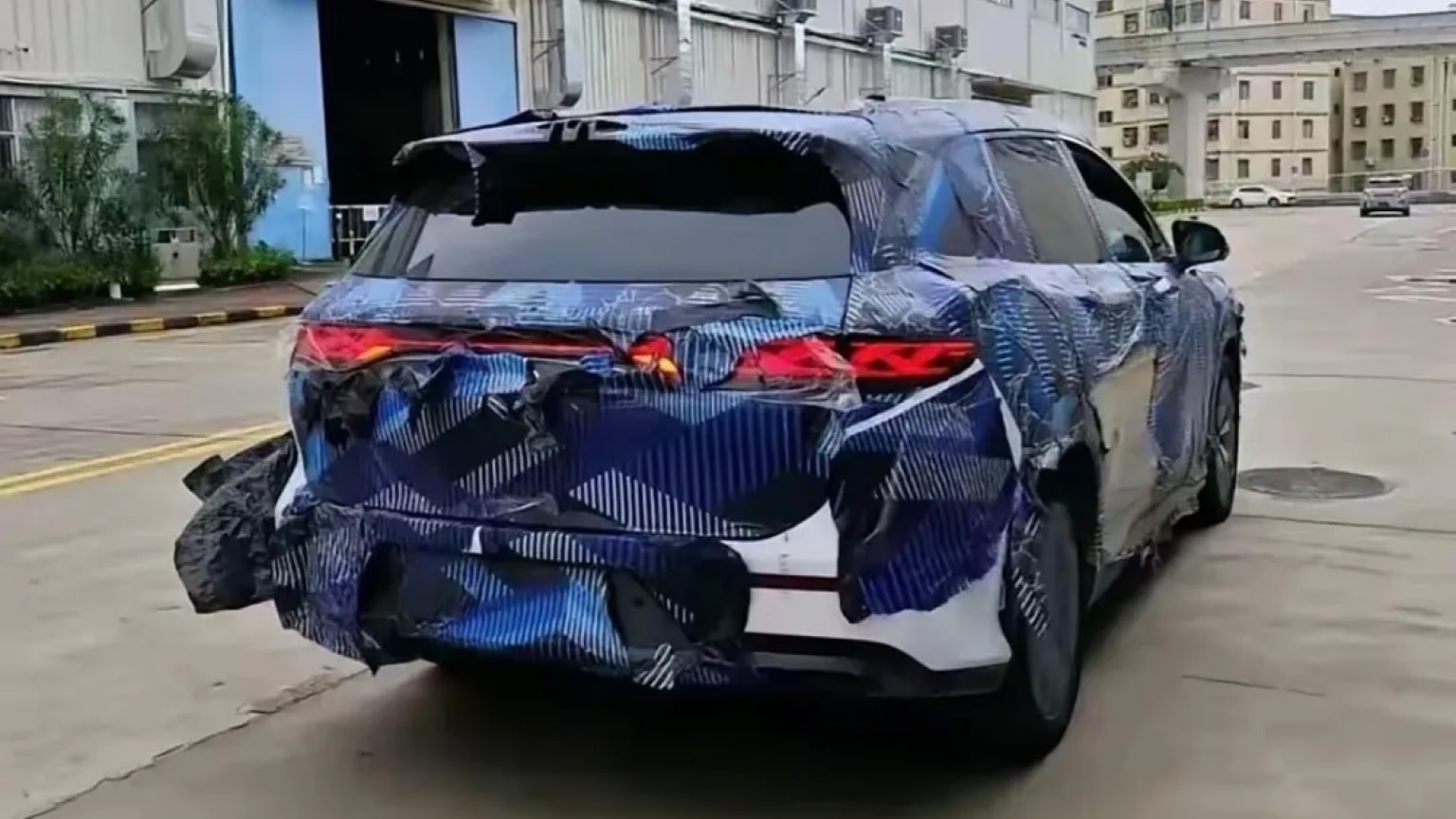
BYD is on the brink of unveiling its latest electric vehicle, the BYD Tang L, in China, and it has recently made its first public appearance ahead of the official launch. This reveal comes as a promising sign for electric vehicle enthusiasts eagerly awaiting the arrival of the new model. The Tang L showcases a more refined and structured design compared to its predecessors, highlighting BYD’s commitment to innovation and style within the competitive EV market.

The front end of the Tang L features an eye-catching dual-layer headlamp arrangement. The upper section is dedicated to daytime running lights, ensuring visibility and safety, while the lower section houses the main beams. This distinctive lighting setup not only enhances the vehicle’s aesthetics but also emphasizes its modern technological capabilities. Additionally, the Tang L is equipped with advanced features, including a LiDAR sensor mounted on the roof, reflecting BYD’s focus on integrating cutting-edge technology into their vehicles.

In terms of design, the Tang L boasts a sleek profile that is further accentuated by a slightly sloping roofline. This design choice not only contributes to the vehicle’s aerodynamic efficiency but also adds a sporty flair. Other notable features include retractable door handles that enhance the vehicle’s streamlined appearance and a continuous taillight bar at the rear, which provides a cohesive look and improves visibility on the road.

As BYD prepares for the official launch of the Tang L, its impressive design and advanced features are likely to generate significant interest among consumers. With the electric vehicle market becoming increasingly competitive, the Tang L’s combination of aesthetics, technology, and performance may position it as a strong contender in the segment. The anticipation surrounding this launch reflects the growing demand for innovative and sustainable transportation solutions, making the BYD Tang L a vehicle to watch in the coming months.

BYD Surpasses Tesla in Quarterly Sales, Signals Strong Future Growth

Chinese electric vehicle (EV) manufacturer BYD has overtaken Tesla in quarterly sales, achieving a significant milestone in its latest financial results. BYD reported an impressive revenue of 201 billion yuan ($28 billion) for the three months ending September, surpassing Tesla’s $25.2 billion in revenue by nearly $3 billion. This growth reflects BYD’s rapid expansion, primarily driven by sales of both fully electric and hybrid vehicles, as well as its diversification into mobile handsets and commercial vehicles.

While the direct comparison between the two companies isn’t perfect—BYD’s product portfolio includes hybrids, which Tesla doesn’t produce—the achievement marks a noteworthy shift in the EV market. Excluding BYD’s mobile division, its automotive revenue still closely aligns with Tesla’s, highlighting the company’s progress since pivoting to battery-powered vehicles in 2022.

BYD’s founder and chairman, Wang Chuanfu, is doubling down on innovation, with plans to allocate approximately $6.5 billion to research and development in 2024, significantly outpacing Tesla’s anticipated R&D spending, according to LSEG analyst projections.

The company’s success is largely supported by its domestic market, with Chinese consumers increasingly favoring local brands. This trend has driven nearly two-thirds of the country’s EV sales this year, up from one-third in 2020. International expansion is also in full swing, as BYD has been ramping up production capabilities abroad with new factories in Hungary, Thailand, Turkey, and Brazil. Notably, in August, BYD reported that it sold more vehicles from its overseas factories than it exported directly from China, underscoring its strategic shift to global manufacturing.

Despite BYD’s growth, Tesla retains advantages in certain areas. Its Shanghai factory achieved record-low production costs per vehicle in the third quarter, supporting a net profit of $2.2 billion, higher than BYD’s $1.63 billion. Tesla’s advanced driver assistance technology, branded as “Full Self-Driving,” also remains a unique differentiator, though it’s not yet fully autonomous.

While Tesla maintains these strategic advantages, BYD’s growing market presence and aggressive expansion plans signal a formidable competitor in the EV industry.