Yazılar

Europe’s Top Weather Agency Opens Real-Time Data to Strengthen Global Extreme Weather Warnings

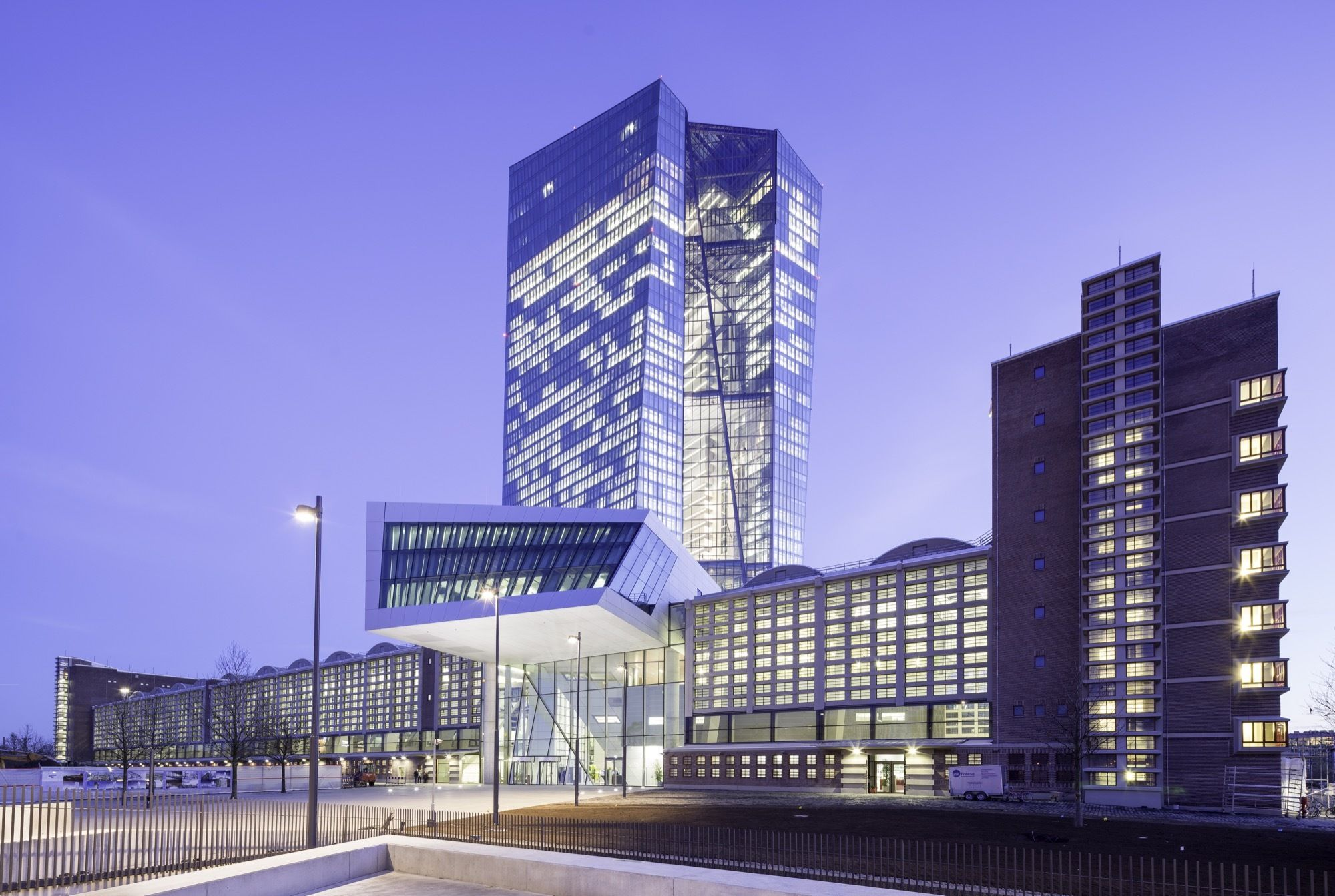
The European Centre for Medium-Range Weather Forecasts (ECMWF), one of the world’s leading meteorological institutions, announced on Wednesday that it has opened access to its real-time data to help strengthen early warning systems for extreme weather events worldwide.

The move comes amid an escalating global climate crisis marked by increasingly severe heatwaves, floods, droughts, and storms. As accurate forecasting becomes critical for disaster preparedness, open access to quality meteorological data is being recognized as a global public good.

A MASSIVE EXPANSION OF OPEN DATA

The ECMWF, which is supported by 35 member and cooperating states, collects around 800 million weather observations every day and manages one of the largest meteorological data archives on the planet.

Under the new policy, the agency will make 16 times more data freely available than it currently does. However, users requiring large-scale data downloads will still incur service fees, the agency’s data policy lead said.

The change aligns with a broader European movement toward open data sharing, aimed at making high-quality weather information accessible to researchers, governments, and emergency responders across the globe.

SUPPORTING DEVELOPING COUNTRIES AND EARLY WARNING SYSTEMS

As preparations continue for COP30, the United Nations climate conference set to be held in Brazil in November, the focus on climate adaptation and resilience is intensifying — especially for developing nations hit hardest by extreme weather but with limited data infrastructure.

In support of these nations, ECMWF said it would waive data service fees for some early-warning projects affiliated with the World Meteorological Organization (WMO). The agency will also explore how artificial intelligence–based forecasting models could help nations with limited access to meteorological resources.

“If you have this disruptive technology, there’s always the danger that countries that are less well-resourced get left behind,” said Florian Pappenberger, ECMWF’s director-general-elect. “We’re aware that there’s a large part of the globe where accessing machine learning forecasts is challenging.”

The initiative underscores Europe’s effort to democratize access to environmental data and ensure that AI-driven climate forecasting benefits both wealthy and developing nations alike — a crucial step toward reducing global inequality in climate preparedness.

Shrinking Caspian Sea Gives Rise to Newly Discovered Island, Say Russian Scientists

A newly formed island has emerged in the northern Caspian Sea, confirmed by Russian scientists following months of satellite observation and field research. First spotted in late 2024 via satellite imagery, the sandbank appeared to break the surface of the water roughly 30 kilometers southwest of Maly Zhemchuzhny Island—near the boundary between Europe and Asia. By mid-2025, an expedition team verified the feature’s presence, noting that it barely rises above sea level. Experts link its emergence to a long-term decline in the Caspian Sea’s water level, a trend fueled by increased evaporation from climate warming and regional tectonic shifts.

According to a statement from the Russian research team, satellite data in November 2024 showed an unusual build-up of sediment visible above the waterline. When a research vessel reached the site, scientists encountered a flat, damp sand formation, dotted with shallow ridges and only slightly elevated above the surrounding sea. Due to poor weather and extremely shallow waters, the team couldn’t land on the island. Instead, they deployed drones to capture aerial images, confirming both the shape and scale of the new landmass. The photographs revealed a barren, sandy stretch with no vegetation, surrounded by shifting shallow waters.

This emerging island offers valuable insight into the dynamic interplay between geology and climate in the Caspian region. Scientists note that similar features have periodically appeared during previous low-water periods, such as the temporary exposure of the Kumani Bank near Azerbaijan. While the current island may not be permanent, it could still become an important ecological site—possibly serving as a nesting area for seabirds or a haul-out spot for Caspian seals. Its evolution will be closely watched to determine whether it stabilizes, erodes, or expands over time.

Beyond its physical formation, the island symbolizes broader environmental shifts occurring in the region. As the Caspian Sea continues to retreat due to both climatic and tectonic forces, such features may become more common—reshaping coastlines and ecosystems in the process. For scientists, this is not only a rare geological event but also a valuable indicator of how inland seas respond to the pressures of a changing planet.

Antarctica Shows Short-Term Ice Growth Despite Ongoing Long-Term Melting, New Research Finds

Researchers from Tongji University in Shanghai have released new findings about Antarctica’s ice sheet, revealing an intriguing yet complex picture of the continent’s recent ice changes. Using over two decades of NASA satellite data, the study highlights that despite ongoing global warming, Antarctica has actually gained ice mass in the past few years. However, this short-term increase does not overturn the long-term trend of substantial ice loss, emphasizing that the recent gains are largely due to increased precipitation rather than a true reversal in climate change impacts.

The study leverages data from NASA’s Gravity Recovery and Climate Experiment (GRACE) and its successor, GRACE Follow-On satellites, which have monitored Antarctic ice since 2002. Over this period, the ice sheet initially experienced steady ice loss, which accelerated notably between 2011 and 2020—from about 81 billion tons of ice lost annually in the early 2000s to approximately 157 billion tons per year during the last decade. Surprisingly, from 2021 through 2023, the trend shifted with Antarctica gaining around 119 billion tons of ice each year. This turnaround was especially visible in four glaciers in eastern Antarctica, which shifted from losing ice rapidly to gaining mass.

While the recent increase in ice mass offers a glimmer of hope, scientists caution against interpreting it as a sign that global warming effects have been reversed. Climate change impacts are uneven across the globe, and Antarctica’s climate system is complex, influenced by localized factors such as precipitation patterns. The researchers stress that increased snowfall, which adds ice mass, is currently masking the broader warming-driven ice losses seen over the last two decades. This underscores the importance of viewing Antarctica’s ice changes as part of a nuanced and evolving climate system.

In a broader context, Antarctica has historically shown more stable temperatures compared to the Arctic, which has warmed more rapidly. Similarly, Antarctic sea ice has remained relatively stable but has started to show signs of decline in recent years. These patterns highlight how climate change impacts vary by region and reinforce the need for continued monitoring of polar ice. The study from Tongji University contributes vital insights, demonstrating that while short-term variability in ice mass exists, the long-term implications of warming remain a significant concern for the global climate system.