
Yazılar

Amazon Introduces Carbon Credit Sales for Suppliers and Customers

Amazon has launched a carbon credit program, allowing its suppliers, business customers, and other companies to purchase credits to offset their carbon emissions. The move comes amid ongoing debates over the role of carbon credits in corporate decarbonization efforts and concerns about ensuring their environmental integrity.

The retail giant emphasized that it follows industry-leading standards where available and is actively involved in shaping more rigorous verification processes when needed. Amazon has previously invested in projects related to forest conservation, land restoration, and carbon removal, but this marks its first direct venture into selling carbon credits.

Kara Hurst, Amazon’s chief sustainability officer, highlighted the company’s ability to use its scale and high vetting standards to drive further investments in nature-based solutions. Early participants in the initiative include Flickr, real estate advisory firm Seneca, and electronics company Corsair.

The Science-Based Targets initiative (SBTi), a key authority on corporate climate goals, recently stated that carbon credits should be limited to offsetting residual emissions—those that remain after a company has made substantial reductions. However, SBTi stopped short of endorsing broader reliance on carbon credits to meet decarbonization targets.

Amazon’s program requires participating companies to have a net-zero target that includes emissions from their supply chains and to publicly report their greenhouse gas emissions. The initiative comes after the Bezos Earth Fund, founded by Jeff Bezos, discontinued its $18 million grant to SBTi in late 2023.
Massive Iceberg A23a Strands Near South Georgia, Sparking Ecological Concerns

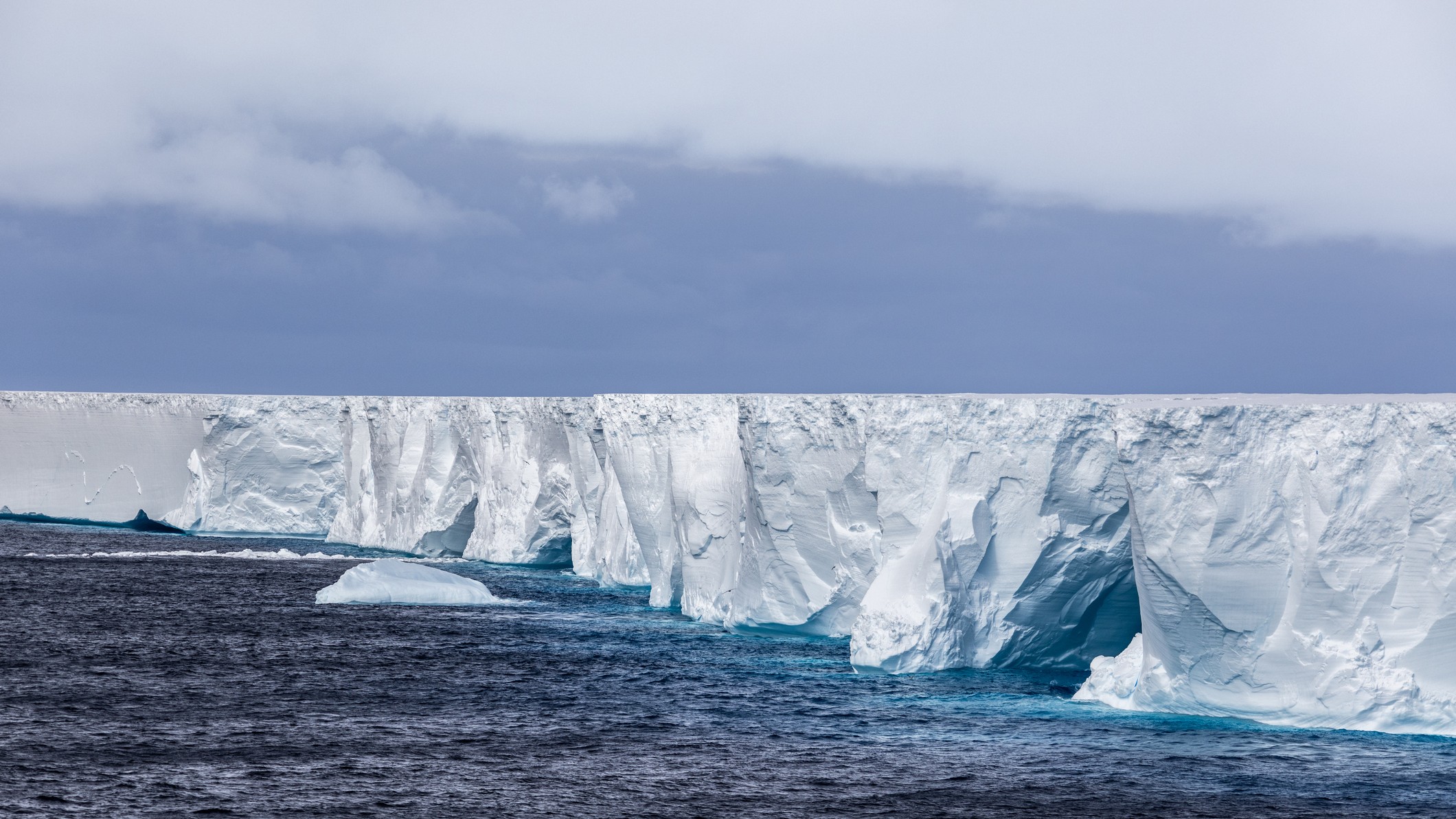
Giant Iceberg A23a Stalls Near South Georgia, Raising Ecological Concerns

The world’s largest iceberg, A23a, has grounded near South Georgia, a vital wildlife refuge in the South Atlantic. The British Antarctic Survey (BAS) confirmed on March 4 that the colossal iceberg, roughly the size of Rhode Island, came to a halt about 80 kilometers from the island. After drifting through the Southern Ocean for months, its movement has been closely tracked by scientists. Experts are now assessing its potential impact on the delicate ecosystem, particularly on species such as penguins, seals, and krill-dependent marine life.

A23a has had a long and complex journey. Originally part of Antarctica’s Filchner Ice Shelf, it calved in 1986 but remained grounded on the seabed for more than 30 years. In 2020, the iceberg finally began drifting, eventually getting temporarily lodged near the South Orkney Islands in early 2024. After breaking free in December, it continued its slow path northward toward South Georgia. Researchers had previously warned that its approach could disrupt the region’s rich biodiversity and ocean currents.

Scientists are particularly concerned about the potential impact on the island’s wildlife. South Georgia is home to vast colonies of penguins and seals, which depend on access to open water for food. If A23a remains grounded, the risks may be minimal. However, if it moves closer to the island or begins to fragment, it could block foraging routes, forcing adult animals to travel further for food. This disruption could have dire consequences for their offspring, increasing mortality rates due to starvation.

Beyond wildlife, A23a’s presence may also affect ocean circulation and nutrient distribution. Icebergs of this scale release large volumes of freshwater as they melt, which can alter local ocean chemistry and impact krill populations—the foundation of the food chain. As researchers continue monitoring its position, they are also considering potential long-term effects on marine ecosystems, emphasizing the need for continued scientific observation.

Experts Sound the Alarm Over Rising Marine Heat Waves and Their Devastating Effects on Oceans

An alarming trend of increased marine heat waves has been observed across global oceans, leading to significant disruptions in both marine ecosystems and the livelihoods of coastal communities. Scientists have noted that many regions are experiencing extended periods of higher-than-normal ocean temperatures at an unprecedented pace. These extreme temperature spikes, persisting over longer stretches of time, are triggering a cascade of adverse effects. Marine life is struggling to adapt, and coastal areas are facing growing risks, including increased vulnerability to powerful storms. Experts are raising red flags about the future of these areas, warning that recovery may become increasingly difficult as these events occur with greater frequency.

The surge in marine heat waves has reached concerning levels, with studies showing a 240 percent increase in their frequency during the 2023–2024 period compared to historical averages. Researchers from top institutions, including those in Australia and the U.K., are sounding the alarm. They have found that higher ocean temperatures contribute to intensified evaporation, which fuels extreme weather conditions. For example, Cyclone Gabrielle, which devastated New Zealand in 2023, is believed to have been exacerbated by the rising temperatures of nearby oceans. The tragic aftermath of this storm, which resulted in fatalities and widespread damage, underscores the potential threats posed by these climate shifts.

The impact on marine life has been equally devastating. Many species are being forced to alter their migratory patterns, with some traveling closer to shore in search of food, leading to an increased number of strandings. Whales, dolphins, and other marine creatures are not alone in facing these challenges; smaller, less mobile species are also suffering. Mussels, for instance, are unable to flee to cooler waters, resulting in large-scale die-offs. These disruptions are having ripple effects throughout the food chain, further threatening the delicate balance of oceanic ecosystems.

Perhaps the most concerning of all is the damage being done to coral reefs. These vital underwater ecosystems, often referred to as the “rainforests of the sea,” are highly sensitive to temperature changes. Prolonged heatwaves are causing widespread coral bleaching, which weakens the reefs and leads to the collapse of ecosystems that countless marine species rely on. As these vital habitats deteriorate, the repercussions for both marine life and the human populations who depend on these resources are becoming increasingly dire. Scientists continue to urge immediate action to mitigate these temperature spikes and protect the future health of our oceans.