Yazılar

Consumer Reports Calls on Congress to Reject Proposed Electric Vehicle Tax Fees

Consumer Reports, a leading consumer advocacy organization, urged Republican lawmakers on Wednesday to abandon a proposal to impose an annual fee on electric vehicles (EVs) aimed at funding road repairs. The plan initially calls for a $250 yearly fee on EVs, with Senator Bernie Moreno proposing to increase this to $500 for electric cars and $250 for plug-in hybrids.

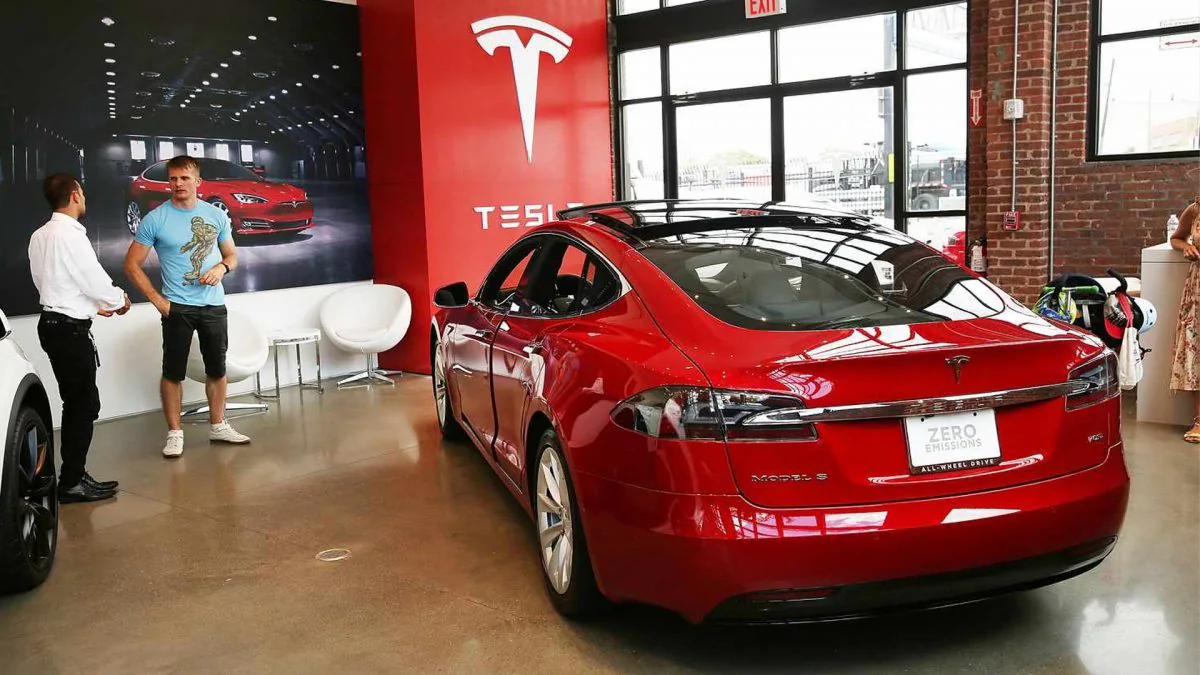
Consumer Reports warned the fees would impose a disproportionate financial burden on EV owners, who could pay between three and seven times more than owners of comparable gasoline-powered vehicles in federal gas taxes. The proposed fees could notably affect owners of Tesla, General Motors, and other electric vehicle brands.

Chris Harto, a senior policy analyst at Consumer Reports, criticized the fees as “punitive taxes designed to confiscate fuel savings from consumers who just want to save money for their families.”

The broader legislative context includes the U.S. House dropping a previously proposed $20 federal vehicle registration fee for all vehicles starting in 2031. The House bill also seeks to end the $7,500 new EV tax credit by the end of 2024 for most automakers, repeal a $4,000 used EV tax credit, dismantle vehicle emissions regulations, and terminate an Energy Department loan program that supports green vehicle technology development. Additionally, it aims to phase out EV battery production tax credits by 2028.

Ford has expressed concern about the bill’s provisions, particularly the elimination of EV battery production credits tied to Chinese technology, which jeopardizes its $3 billion investment in a Michigan plant currently 60% complete and expected to employ 1,700 workers.

Separately, President Donald Trump plans to sign resolutions that block California’s EV sales mandates and diesel engine regulations, according to industry and House aides.

Tesla Aims to Launch Public Robotaxi Rides on June 22, CEO Musk Announces

Tesla plans to begin offering public rides on its self-driving robotaxis starting June 22, CEO Elon Musk said Tuesday, marking a significant milestone in the company’s autonomous vehicle ambitions. The initial rollout will take place in Austin, Texas, with about 10 to 20 Model Y SUVs operating within a limited area under remote human supervision.

Musk emphasized Tesla’s cautious approach to safety, noting that the date might change as the company remains “super paranoid about safety.” He also revealed that starting June 28, Tesla vehicles will be able to autonomously drive themselves from the factory to customers’ homes.

This robotaxi service is critical for Tesla’s future as electric vehicle sales face increasing competition and controversies surrounding Musk, particularly his political views and associations. The company intends to expand the robotaxi service to other states later in the year, including California, which has more stringent autonomous vehicle regulations.

Tesla has been testing its Full Self-Driving (FSD) software in Austin, with Musk sharing videos showing Model Y vehicles navigating public streets without a human driver. However, details remain scarce about the exact operational zones, the level of remote oversight, or how consumers will access the service.

Tesla Shares Bounce Back After $152 Billion Drop Amid Musk-Trump Fallout

Tesla shares recovered nearly 4% on Friday following a steep $152 billion market value wipeout triggered by a public spat between CEO Elon Musk and former U.S. President Donald Trump. The clash erupted over Trump’s criticism of a tax and spending bill that threatens to end the $7,500 electric vehicle (EV) tax credit by 2025, a move Musk openly opposed.

Earlier reports suggested that Musk and Trump might hold talks to ease tensions, with Musk signaling openness to a détente on his social platform, X. However, a White House official indicated that Trump was not interested in engaging with Musk. In a CNN interview, Trump dismissed Musk, saying, “I’m not even thinking about Elon,” and described him as having “got a problem.”

The conflict escalated when Trump threatened to cut government contracts with Musk’s companies, including SpaceX. Analysts warn that this feud could pose multiple risks for Tesla, especially as regulatory bodies like the U.S. Transportation Department influence the future of autonomous vehicle production—a key part of Tesla’s ambitions.

Despite the recent volatility, Tesla shares remain highly valued, trading at roughly 120 times expected earnings—far above many automakers and tech giants such as Nvidia. The stock has fallen 26.9% year-to-date, with Thursday’s 14% plunge reflecting investor concerns over Musk’s increasingly polarizing political stance.

Since Musk publicly supported Trump’s 2024 presidential bid last July, Tesla’s stock has experienced wild swings. Initial optimism about reduced regulatory burdens for robotaxis gave way to softness in vehicle sales and brand damage related to Musk’s politics. While initial hopes were that strong sales among Republican voters would balance out losses from liberal consumers, experts now warn that Musk’s confrontational posture risks alienating both sides.

“By alienating Republicans, Musk risks losing any remaining support, potentially triggering a collapse in Tesla’s brand perception,” said Evan Roth Smith, political strategist and co-founder of Slingshot Strategies.

Tesla did not immediately respond to requests for comment.