Yazılar

Tesla Recalls Nearly All Cybertrucks Due to Detaching Trim Panel

Tesla has issued a recall for over 46,000 Cybertrucks in the United States due to a potential safety issue involving the vehicle’s exterior trim panel. The recall affects vehicles built between November 2023 and February 27, 2024, marking the eighth recall for the Cybertruck since January 2024.

The issue arises from the stainless-steel trim panel, which could detach while driving, posing a road hazard and increasing the risk of a crash. Although Tesla has received 151 warranty claims potentially linked to this problem, no accidents or injuries have been reported. The company stated that the noise from the detached panel or its complete detachment could be noticed by drivers or passersby.

This recall affects a significant portion of Cybertruck vehicles on the road, with analyst estimates suggesting that the recalled units represent the vast majority of the truck’s current fleet. The recall could be a setback for Tesla, which has already faced challenges in 2024, including increasing competition, an aging vehicle lineup, and backlash against CEO Elon Musk’s influence over federal budget cuts.

Demand for the Cybertruck had already declined toward the end of 2023 following multiple delays, and sales of the vehicle remain a small fraction of Tesla’s overall deliveries. In 2024, Tesla’s total vehicle shipments reached 1.79 million.

Sam Fiorani, Vice President at AutoForecast Solutions, noted that the recall highlights ongoing quality issues for Tesla, which had previously avoided such setbacks. “Reputations take a long time to build and can be tarnished very quickly,” he added.

Despite the recall, Tesla’s stock showed a slight increase on Thursday. During a livestreamed “all hands” meeting, Musk did not address the recall but emphasized the Cybertruck’s “five-star safety rating,” suggesting that investors hold onto their shares.

Tesla Plans Lower-Cost Model Y to Defend Market Share in China

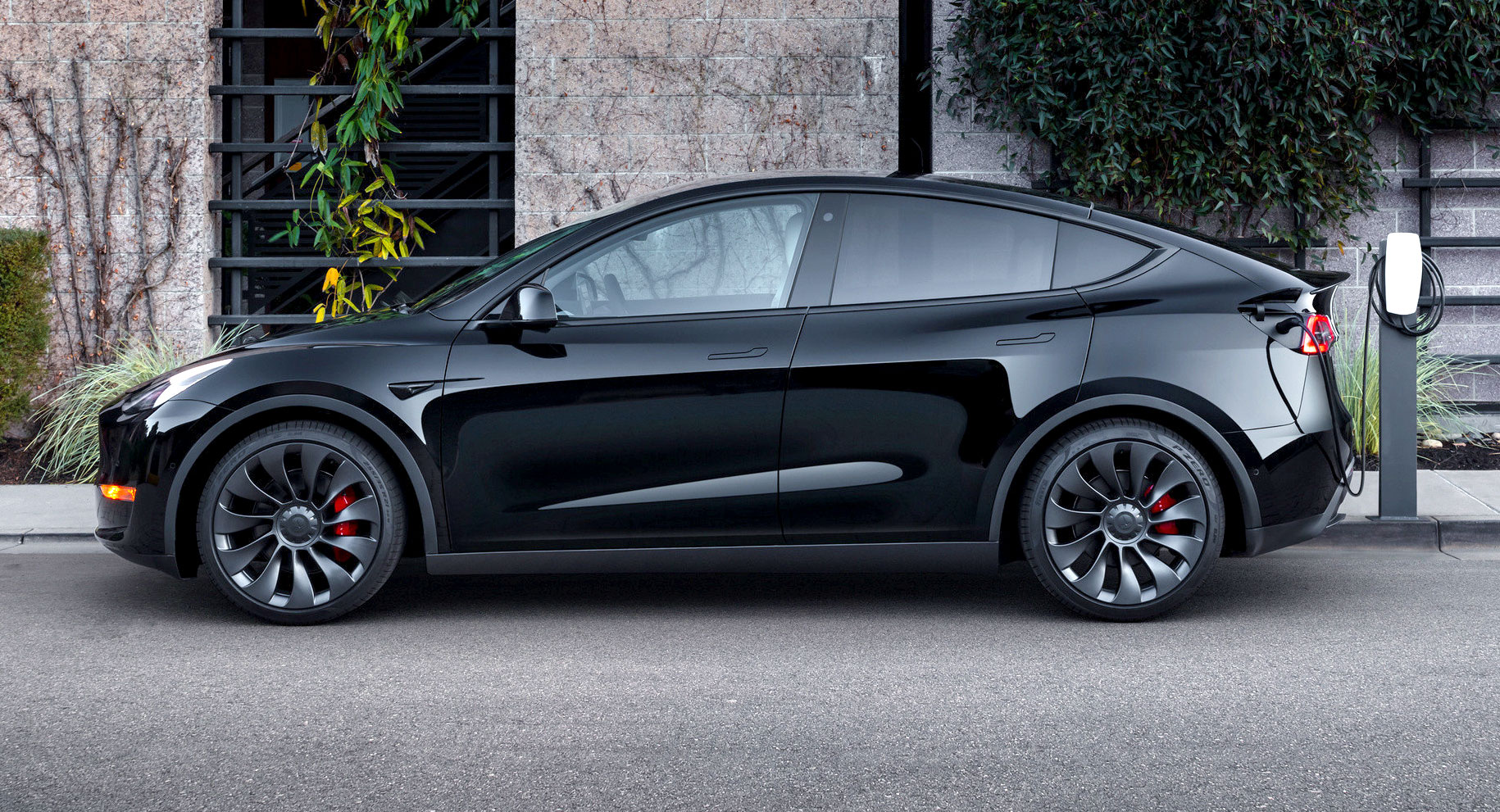
Tesla is set to introduce a lower-cost version of its best-selling Model Y in Shanghai, aiming to recover market share lost during a price war in its second-largest market, according to sources familiar with the plan. The new model, developed under the project codename “E41”, will utilize existing production lines at Tesla’s largest factory by output, with mass production set to begin in 2026.

The upcoming Model Y will be smaller and is expected to cost at least 20% less to produce than the refreshed Model Y launched late last year, which is currently priced starting from 263,500 yuan (~$36,351). This price reduction is part of Tesla’s strategy to defend its market position, particularly in China, where competition from domestic electric vehicle (EV) manufacturers has intensified.

While primarily aimed at the Chinese market, the new model is also planned for production in Europe and North America, though timelines for these markets are not yet specified. Tesla has not commented on the project.

The decision to develop a more affordable Model Y aligns with Elon Musk‘s earlier statement that Tesla would introduce lower-cost models in the first half of 2025, though further details on the exact cost reductions, pricing, and specifications were not disclosed at the time.

In 2023, the Model Y was China’s best-selling car, but its market share has since slipped, now standing at 10.4%, down from 11.7% in the previous year. Tesla faces increased competition from local companies, with models like the YU7 crossover from Xiaomi becoming strong rivals. The YU7 has already outsold Tesla’s Model 3 on a monthly basis since December.

As Tesla contends with rising competition in China, it has focused on introducing various versions of existing models rather than unveiling entirely new products, aside from the Cybercab robotaxi slated for 2026. A six-seat version of the Model Y is also expected to launch in China later this year.

Stellantis to Provide Two EV Vans to Iveco for European Market Expansion

Stellantis and Iveco announced a new agreement on Friday in which Stellantis will supply Iveco with two fully-electric (EV) van models, marking a significant step in Iveco’s expansion of its electric vehicle lineup in Europe. The vans, produced by Stellantis, are expected to go on sale by mid-2026, under a ten-year supply agreement. Financial terms of the deal were not disclosed.

The new EV vans will be based on Stellantis’ mid- and large-sized EV van platforms, and will be manufactured at Stellantis’ plants in Atessa (Italy), Gliwice (Poland), and Hordain (France). Once produced, the vans will be distributed across Europe, including the United Kingdom, through Iveco’s established channels.

The two upcoming vans, with gross vehicle weights ranging from 2.8 to 3.1 tons and 3.5 to 4.25 tons, are designed to complement Iveco’s existing battery electric vehicle (BEV) offerings. These vans will help extend the brand’s footprint in the lighter weight segment of the European EV market.

This new partnership follows a similar agreement that Iveco reached last year with Hyundai Motor for the supply of a mid-sized electric van in the 2.5-3.5 ton weight range, further expanding its EV portfolio. Iveco Group, controlled by Exor, the investment arm of Italy’s Agnelli family, is also the largest shareholder in Stellantis.