Yazılar

Chinese Automaker Xpeng Pivots to “Physical AI” Strategy Amid Intensifying Competition

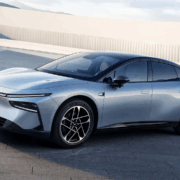
Chinese electric vehicle maker Xpeng said it aims to reposition itself as a “physical AI” company rather than a traditional carmaker, as it prepares to launch street trials of robotaxis and begin mass production of humanoid robots, reflecting a broader shift in the auto industry toward artificial intelligence.

Speaking at an event in Guangzhou on Thursday, founder and Chief Executive He Xiaopeng said deep integration of AI — including Xpeng’s in-house “Turing” AI chip — would help the company stand out in China’s fiercely competitive auto market. Xpeng is one of China’s top-selling EV startups and a technology partner of Volkswagen.

“Xpeng definitely does not want to become a car company that simply sells hardware cheaply,” He said. “We want to become a global technology company, a company with strong differentiation.”

The strategy mirrors efforts by Tesla, led by Elon Musk, which has expanded into robotaxis and humanoid robots as AI adoption accelerates worldwide. Highlighting the growing focus on physical AI, Arm Holdings told Reuters this week it had reorganized to create a dedicated physical AI unit targeting robotics.

Other Chinese automakers are pursuing similar paths. Li Auto announced an AI-focused repositioning in 2023, with founder Li Xiang saying the company invests more than 6 billion yuan ($859 million) annually in AI models, computing power and infrastructure.

Xpeng’s push into AI comes as China’s auto sector — the world’s largest — remains locked in a prolonged price war that has pressured margins. At the Guangzhou event, He unveiled four updated vehicle models, highlighting new software-driven features such as 3D navigation, advanced hazard alerts beyond the driver’s line of sight, and upgraded autonomous driving systems.

He said Xpeng is continuing to hire aggressively and invest in autonomous driving and humanoid robotics built around its proprietary AI capabilities. The company plans to begin mass production of humanoid robots in the second half of 2026 and will start street trials of robotaxis “very soon.”

Xpeng reported a net loss of 380 million yuan in the third quarter. He has previously said he expects the company to break even by the end of 2025.

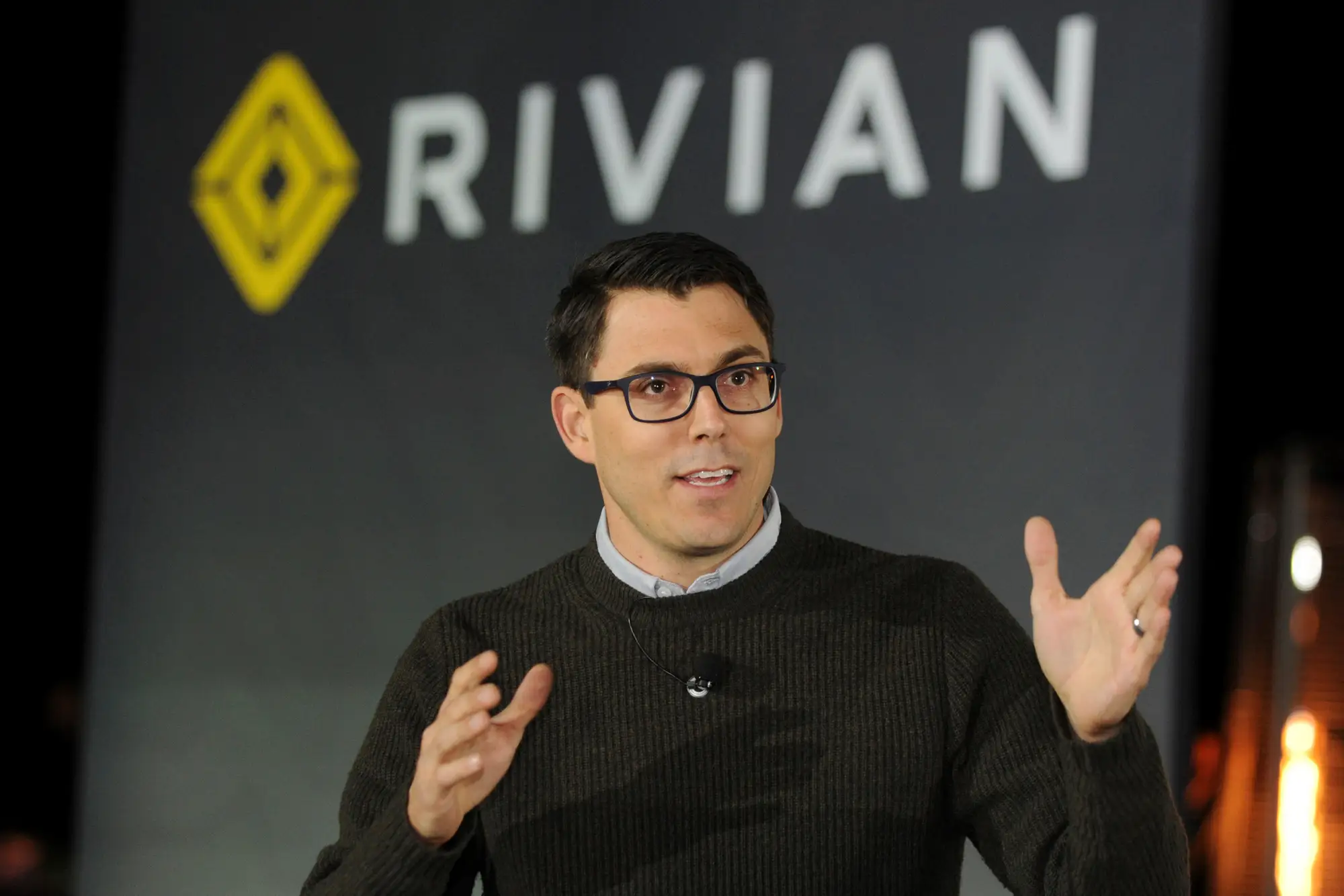
Rivian Awards CEO RJ Scaringe a $4.6 Billion Pay Package Modeled on Musk’s Tesla Deal

Electric vehicle maker Rivian has unveiled a massive $4.6 billion compensation plan for CEO RJ Scaringe, mirroring the structure of Elon Musk’s Tesla pay package. The deal, announced Friday, is one of the largest executive awards in history, tying Scaringe’s payout to ambitious profit and share price milestones over the next decade.

The move signals Rivian’s determination to retain its founder and keep him focused on growth as the company prepares to launch its smaller, more affordable R2 SUV next year — a key model aimed at competing with Tesla’s Model Y.

Rivian said the new plan replaces an earlier one issued in 2021 that was unlikely to be met. The updated package includes options to purchase 36.5 million shares at $15.22 each, vesting if Rivian’s stock hits price targets ranging from $40 to $140 a share over the next ten years. The company’s previous plan required share prices between $110 and $295, thresholds now deemed unrealistic amid market pressures and the removal of EV tax credits that have slowed sales.

The award also introduces operating income and cash flow goals over seven years. Rivian shares closed at $15.22 on Thursday — exactly the strike price for Scaringe’s new options.

“This plan keeps RJ incentivized to scale Rivian efficiently while aligning his success with shareholder returns,” said a company statement.

The EV startup recently laid off 600 employees, or 4.5% of its workforce, as part of cost-cutting efforts. Still, the company insists it is on track to improve profitability and expand production.

Separately, Scaringe was granted 1 million common units in Mind Robotics, a new Rivian spinoff focused on industrial AI technology. He will serve as chairman of its board and could earn up to a 10% stake once the venture turns a profit.

Polestar Faces Nasdaq Delisting Warning as Stock Slumps Below $1

Swedish electric vehicle manufacturer Polestar has received a warning from Nasdaq after its shares fell below the exchange’s required minimum bid price of $1. The notice puts the EV maker at risk of delisting from the U.S. stock exchange unless it can lift its share price within the next six months.

Polestar’s U.S.-listed stock closed at 84 cents on Friday, marking a 20% decline in 2025 after losing more than half its value last year. The company now has until April 29, 2026, to regain compliance by maintaining a closing price of at least $1 for ten consecutive trading days, Nasdaq said. If it fails to meet the requirement, Polestar may be granted an additional 180-day extension.

The company attributed its struggles to mounting competition in the global EV market, where giants like Tesla and China’s BYD continue to dominate. Polestar has introduced discounts and leasing incentives in an effort to boost sales, particularly in Europe, where demand remains relatively strong.

This is the second time Polestar has faced non-compliance with Nasdaq’s listing standards, having previously received a warning last year for delays in filing its annual financial report with U.S. regulators.