Yazılar

Uber Rebrands “Green” as “Electric” and Offers $4,000 Grants to Speed Up EV Adoption

Uber Technologies (UBER.N) announced on Wednesday that it is rebranding its “Uber Green” ride option as “Uber Electric”, unveiling a $4,000 incentive program to encourage U.S. drivers to switch to electric vehicles (EVs). The move marks a key step in the company’s plan to achieve zero-emission rides globally by 2040.

The new initiative, called “Go Electric”, will provide eligible drivers with grants of up to $4,000, which can be stacked with state and manufacturer incentives, helping to offset EV prices at a time when costs are rising. The federal $7,500 EV tax credit, introduced under President Joe Biden, expired last month, making Uber’s grants even more valuable for drivers considering the switch.

Earlier this year, Uber transitioned its Uber Green service in the U.S. to an all-electric fleet, eliminating hybrids from the program. The company now counts over 200,000 EVs on its platform worldwide, with drivers in North America and Europe adopting electric vehicles up to five times faster than the general population.

According to Uber, one in four riders said their first EV experience came through an Uber trip. To celebrate the rebrand, the company will also offer riders a 20% discount on their next electric ride.

Uber is expanding its battery-aware matching system — a feature that connects drivers to trips within their available battery range — to 25 countries. The tool aims to reduce “range anxiety”, the common concern that an EV may run out of charge before reaching a destination or charging station.

Uber’s sustainability push comes as competition in green mobility intensifies, with rivals such as Lyft and Bolt also pledging to electrify their fleets. Analysts say Uber’s latest move could strengthen its leadership in urban electrification, particularly as governments tighten emissions rules and consumer demand for eco-friendly transport continues to grow.

Trump’s EV rollback rattles America’s Battery Belt economy

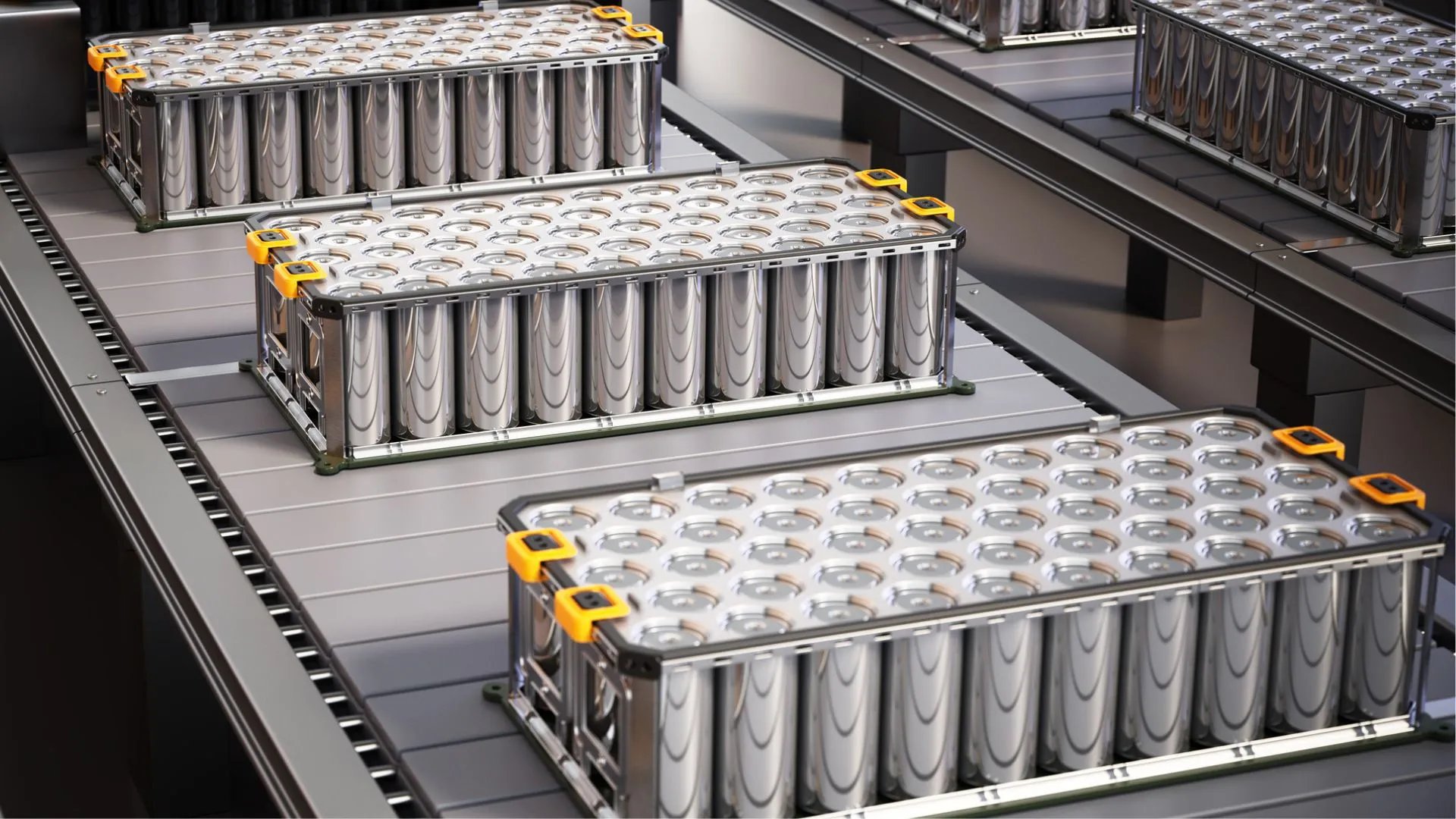
The U.S. Battery Belt — a stretch of billion-dollar electric vehicle and battery factories from Georgia to Indiana — is feeling the shockwaves of President Donald Trump’s EV policy shift, as automakers delay projects and rural communities brace for economic fallout.

In Stanton, Tennessee, population 450, Ford’s vast EV truck and battery complex once promised 6,000 jobs and a revival of the local economy. But after repeated delays, initial production has been pushed back to 2027, two years later than planned. Former mayor Allan Sterbinsky said locals now worry Ford might abandon or repurpose the 3,600-acre site entirely.

The slowdown reflects waning U.S. demand for electric cars after Trump allowed a $7,500 EV tax credit to expire on Sept. 30, a move Ford’s CEO Jim Farley warned could halve electric car sales. Analysts say this and other anti-EV measures have jeopardized projects across the South and Midwest.

A Reuters review of U.S. battery-investment plans found that even if all planned plants go forward, the country could face a glut of capacity. By 2030, factories could produce batteries for 13–15 million EVs, while demand may cover only a quarter of that, or about 3 million units, according to Benchmark Mineral Intelligence.

Some excess output could be redirected to hybrids or energy storage, but experts warn many facilities may go underutilized. “Much of what was originally going to benefit from these credits now no longer can,” said Jennifer Stafeil of KPMG.

Still, some companies press ahead. Hyundai’s $12.6 billion EV and battery complex in Georgia remains on track despite a federal investigation delay, and will employ 8,500 workers by 2031, according to local officials.

For towns like Stanton, however, the optimism of the EV boom has faded into uncertainty. “That’s on everybody’s mind,” said Sterbinsky. “We built our future around this.”

Tesla’s cheaper Model Y faces stiff competition in crowded European EV market

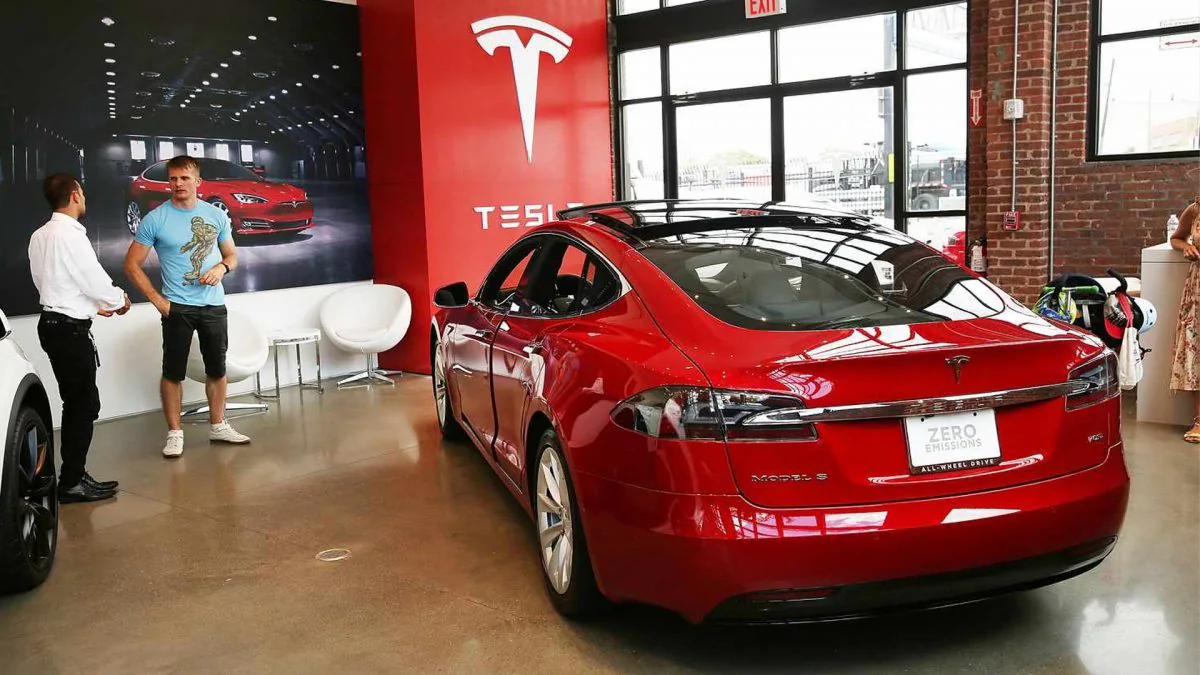
Tesla’s new lower-cost Model Y and Model 3 may struggle to gain traction in Europe, where affordable electric vehicles from Chinese and European automakers already dominate. The newly launched $39,990 Model Y Standard and $36,990 Model 3 enter a segment crowded with more than a dozen models priced below $30,000.

Analysts say the competition could blunt Tesla’s recovery in a region where its market share has halved to around 1.5% since 2023. “The competition in this market is fierce,” said Sam Fiorani of AutoForecast Solutions. Budget EVs such as the BYD Dolphin, Dacia Spring, and Citroën e-C3 are undercutting Tesla’s new releases by thousands of euros, while Volkswagen’s ID.Polo will join the field next year at under €25,000.

Tesla’s European sales drop has been fueled by an aging product lineup and consumer backlash against CEO Elon Musk’s politics. The company hopes the cheaper models will revive demand after its first global sales decline in 2024, with deliveries projected to fall another 10% this year.

Despite interior updates to the Model Y, analysts argue the price cut doesn’t go far enough. “It isn’t going to break the market open in a way that a €30,000 vehicle would,” said Matthias Schmidt of Schmidt Automotive.

With over 25 new EVs set to hit European showrooms next year, Tesla faces its toughest challenge yet in keeping its once-dominant position in the region’s fast-evolving EV market.