Yazılar

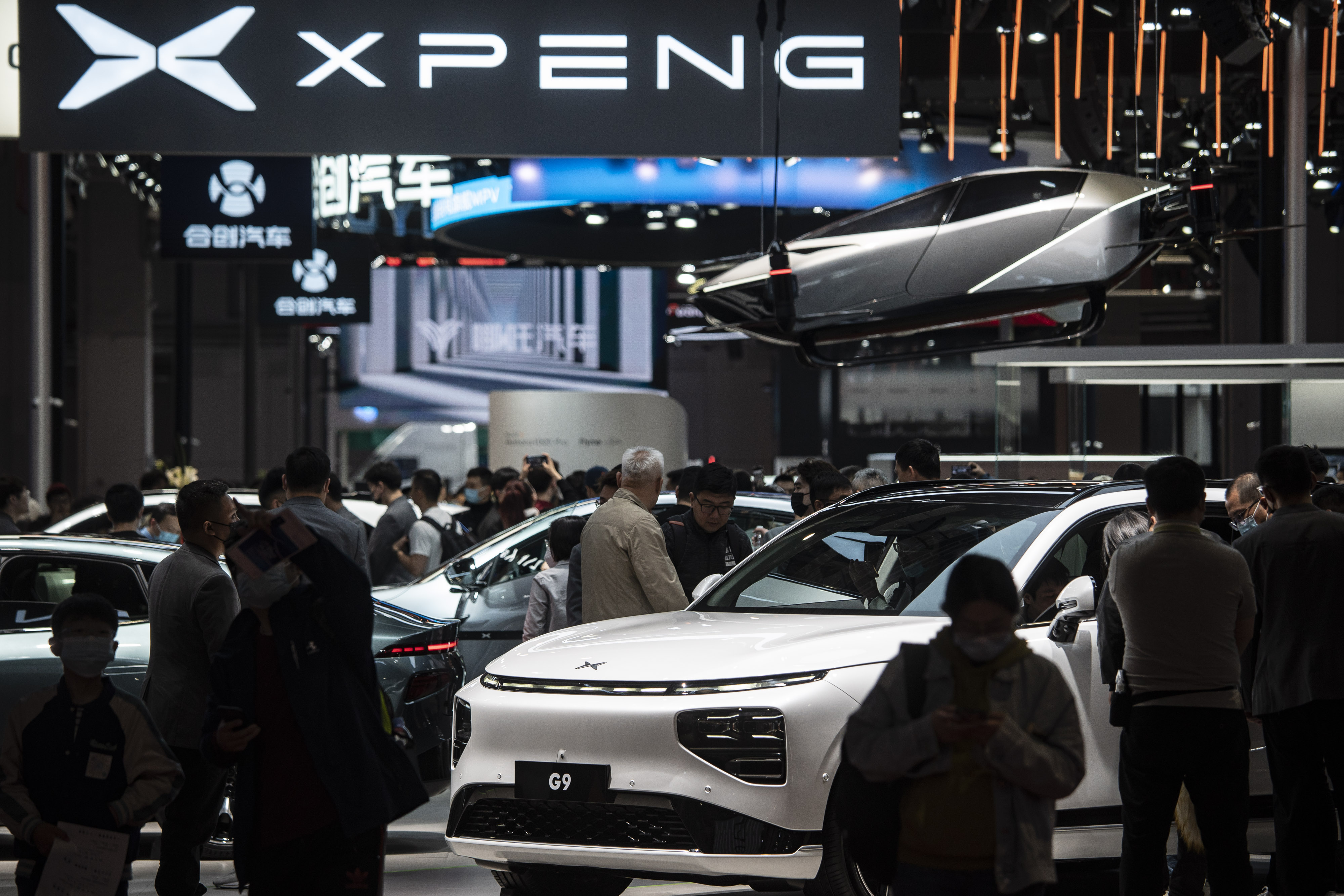
Xpeng Plans to Hire Over 6,000 Workers in 2025 Amidst Market Competition

Chinese electric vehicle manufacturer Xpeng announced plans to hire over 6,000 workers in 2025, as CEO He Xiaopeng shared in a letter to the company’s internal stakeholders on Tuesday. He anticipates intensifying market competition in 2025, with a price war expected to start in January. In response to the growing demand and competitive pressures, Xpeng aims to expand its presence globally, having already entered 30 countries and regions. The company has set an ambitious target to increase its footprint to over 60 markets by the end of 2025, continuing its rapid growth in the electric vehicle industry.


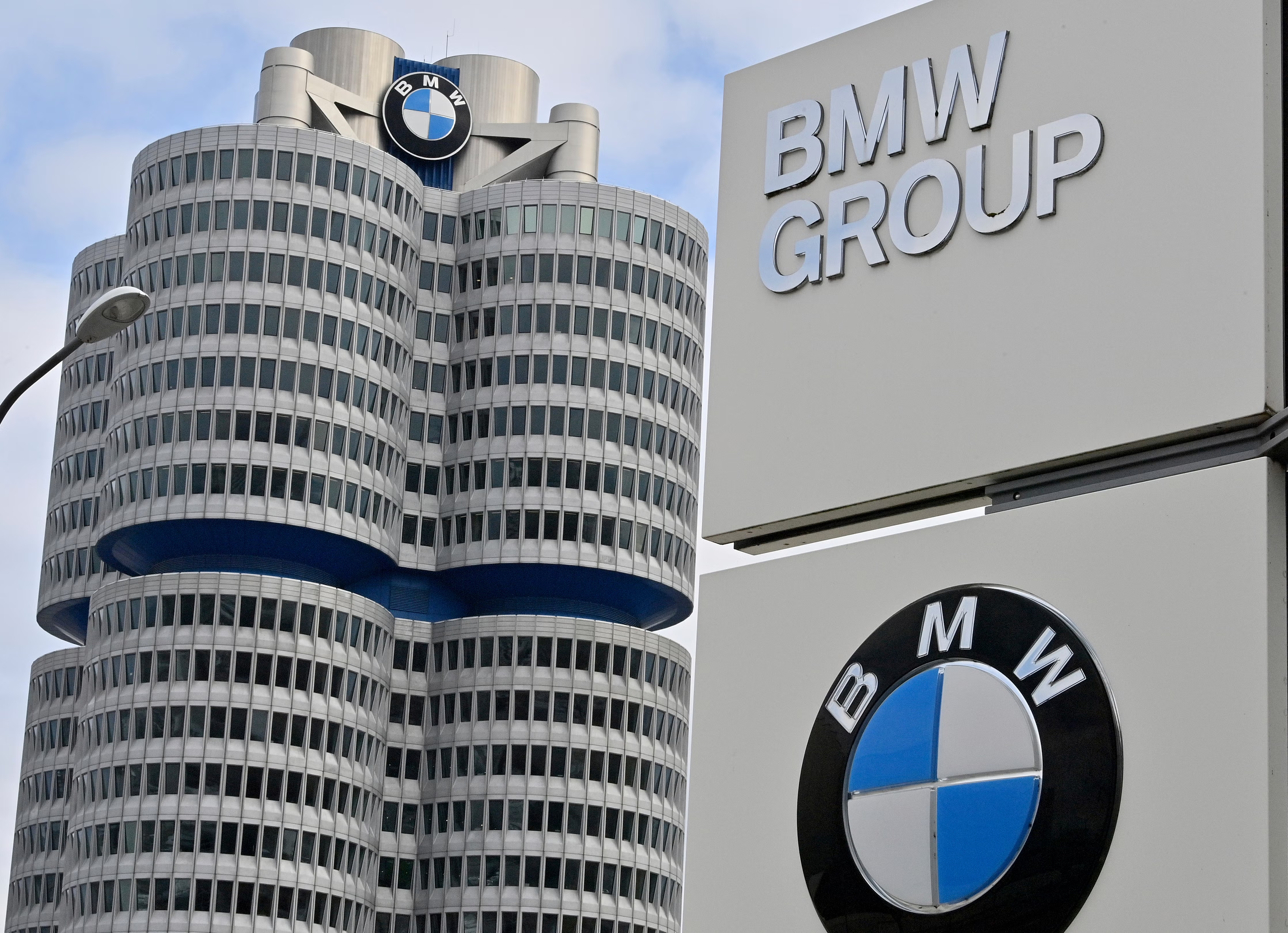
BMW and Yamaha Motor Invest in U.S. Rare Earths Startup Phoenix Tailings

BMW and Yamaha Motor have joined several other investors in backing U.S.-based rare earths processing startup Phoenix Tailings. The $43 million Series B funding round, which closed on December 20, will help Phoenix scale its operations to meet the increasing demand for rare earths outside of China. These metals, crucial for the production of magnets used in electric vehicles, electronics, and other technology, are essential to the transition to clean energy.

Rare earths are primarily refined using the solvent extraction method, which has become outdated in the U.S. due to its environmental costs. Chinese companies have dominated this process for decades, but recent actions by Beijing to limit exports have led to a global scramble for alternative sources and technologies. Phoenix Tailings claims its innovative process can produce rare earths from mined ore or recycled equipment with little to no emissions, offering a cleaner solution to the existing industry standards.

The investment round includes venture capital funds such as Envisioning Partners, MPower, and Escape Velocity, alongside BMW and Yamaha’s venture arms. Phoenix plans to use the funds to build a $13 million facility in Exeter, New Hampshire, scheduled to open by June 2025. The facility will have the capacity to produce 200 metric tons of rare earths annually.

Phoenix has already signed over $100 million in supply contracts but has not disclosed the partners. The company’s plans also include scaling its operations with larger processing plants in the U.S. if the Exeter site proves successful. With 33 employees, Phoenix aims to go public within three to five years.

The company’s approach of focusing on rare earths processing rather than mining sets it apart from competitors such as MP Materials and Lynas Rare Earths. Phoenix is also applying for U.S. government loans and grants to support its growth.


Tariff Concerns Overshadow Tech and Auto Innovation at CES 2025

As CES 2025, one of the largest tech and auto trade shows, prepares to open in Las Vegas from January 7 to 10, an unusual topic is dominating discussions: tariffs. With President-elect Donald Trump’s inauguration days away and his proposed tariffs on imports from countries like Canada, Mexico, and China looming large, attendees are bracing for tough questions about potential economic fallout.

The trade show, known for unveiling cutting-edge automotive technology, quirky gadgets, and advancements in artificial intelligence (AI), is now becoming a platform to address the cost challenges posed by tariff threats. Strategy consultant Deborah Weinswig, CEO of Coresight Research, noted that the issue has surfaced in nearly every pre-CES conversation with clients.

Tariffs and Supply Chains in the Spotlight

Companies showcasing their latest innovations are likely to face scrutiny over their supply chains and manufacturing processes. Analysts predict questions about whether businesses are considering moving production to the U.S. to mitigate tariff impacts—an expensive and time-intensive solution.

For instance, Honda, which sends 80% of its Mexican vehicle output to the U.S., has already warned it may need to shift production if permanent tariffs are imposed. According to Edmunds, nearly half of new cars sold in the U.S. are made abroad, along with a substantial share of parts in domestically assembled vehicles. S&P Global estimates that European and American automakers could lose up to 17% of their combined annual core profits if tariffs are levied on imports from Europe, Mexico, and Canada.

Economic Strain on the Auto Industry

In addition to tariff concerns, the auto industry faces challenges from weaker-than-expected demand for electric vehicles (EVs). Trump’s plans to roll back policies promoting EV adoption further compound the difficulties. Felix Stellmaszek, an automotive expert at Boston Consulting Group, emphasized the precarious position of suppliers operating on razor-thin margins. The combination of tariffs, supply-chain uncertainties, and labor shortages has pushed companies into “hyper mode” for scenario planning.

Focus on Tech and AI Innovations

Despite economic uncertainties, CES 2025 remains a showcase for advancements in AI, self-driving technology, and software-driven automotive enhancements. Keynote speakers, including Nvidia CEO Jensen Huang and Volvo Group CEO Martin Lundstedt, are expected to unveil innovations that aim to make vehicles smarter, safer, and more efficient.

However, discussions surrounding tariffs are expected to dominate policy sessions, press conferences, and informal talks. Industry leaders such as Toyota, Bosch, and Continental are also expected to provide updates on how they are adapting to rising costs and preparing for potential policy shifts.

A Complex Outlook

The intersection of technology and economic policy is shaping CES 2025 in unprecedented ways. Questions remain about how companies can collaborate across supply chains, mitigate rising costs, and leverage technology to navigate uncertainty. “There’s still so much that’s unknown,” Weinswig remarked. “Everyone is trying to figure out every possible scenario.”