Yazılar

Tesla Achieves Record China Sales in 2024 Amid Global Decline

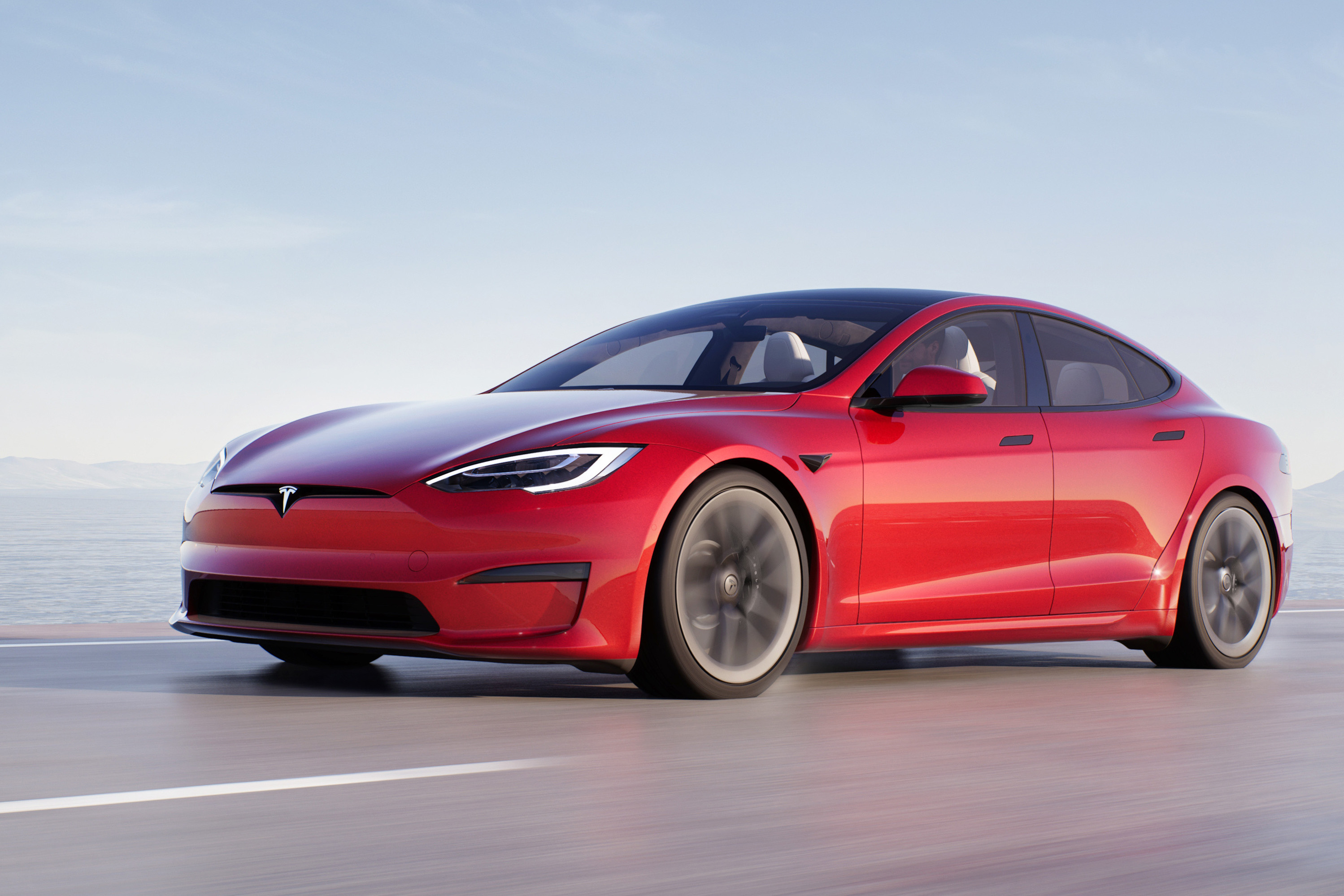
Tesla’s performance in China hit a new high in 2024, with sales rising 8.8% to over 657,000 vehicles, even as global deliveries fell for the first time in the company’s history. In December, Tesla China recorded its highest monthly sales of 83,000 units, marking a 12.8% increase from the previous month. China accounted for 36.7% of Tesla’s total deliveries, solidifying its position as the company’s second-largest market.

Despite Tesla’s strong performance in China, global deliveries slipped by 1.1%, falling short of CEO Elon Musk’s earlier prediction of slight growth. Contributing factors included a 24% drop in exports from China, reduced subsidies in Europe, increased competition from Chinese EV makers like BYD, and a growing U.S. preference for lower-priced hybrid vehicles.

Tesla’s Shanghai plant, the company’s most productive factory, saw a 3.3% decline in sales of its China-made Model 3 and Model Y vehicles, including domestic and export markets. Total exports from China fell to 260,000 units, the lowest since 2021. Exports to Europe were particularly affected by the EU’s subsidy investigation into Chinese EVs, resulting in an October tariff of 7.8% on Tesla cars from China.

China Leads Global EV Growth

China remained the only major market with robust EV growth in 2024, accounting for 70% of global EV and hybrid sales. Over 90% of the increase in global EV sales originated in China, underscoring the country’s dominance in the electric vehicle sector. John Zeng, head of market forecasting at GlobalData, noted that China’s growth starkly contrasts with stagnation or decline in other markets.

Tesla maintained a narrow lead in global sales, delivering 1.79 million cars, just ahead of BYD’s 1.76 million units. However, BYD outpaced Tesla in growth, with a 12.1% increase in EV sales globally and a 41% surge in total passenger vehicle sales, reaching over 4.25 million units. BYD’s overseas sales rose 71.9% to 417,204 units, though it fell short of its 450,000-unit export target due to a 17% EU tariff.

Tesla’s Strategic Adjustments

Amid fierce competition and an ongoing price war in China, Tesla has extended a 10,000-yuan ($1,369.99) discount for loans on its Model Y and offered zero-interest financing for up to five years on some Model 3 and Model Y cars. These incentives aim to maintain Tesla’s competitive edge in a market dominated by aggressive cost-cutting strategies from rivals like BYD.

Challenges and Investigations

Tesla downsized its global workforce in response to declining demand and heightened competition. Similarly, BYD faced challenges, including an investigation by Brazilian authorities into the working conditions of Chinese laborers at a construction site for a BYD factory in Brazil. Nearly 20% of BYD’s overseas sales came from Brazil, highlighting its importance as a growing market despite these setbacks.


Carlos Ghosn Warns of “Carnage” for Nissan in Honda Merger

Carlos Ghosn, the former CEO of Nissan, has raised concerns about the potential consequences of a merger between Nissan and Honda, predicting that Nissan would bear the brunt of the cost-cutting measures. In an interview with CNBC, Ghosn expressed his belief that Honda would take control in the merger, which he described as “sad” considering his long tenure at Nissan. He emphasized that there is little complementarity between the two automakers, and any synergies would likely come through cost reductions and duplication of plans and technologies, which would harm Nissan, the “minor partner.”

Ghosn, who led Nissan for 19 years and was instrumental in its growth, criticized the lack of alignment between Nissan and Honda, suggesting that the merger would lead to significant layoffs and operational cuts at Nissan. He also pointed out that Nissan’s former partnership with Renault offered more complementarities, implying that the Nissan-Honda merger was not as strategically sound.

The merger speculation gained traction earlier this month, and both companies confirmed their talks on Monday. The proposed merger would result in a $54 billion entity, with Honda assuming the dominant role due to its significantly larger market capitalization. If successful, the combined group would become the world’s third-largest automaker, surpassing Hyundai. However, both Nissan and Honda executives have stressed that the merger would create economies of scale, particularly in the electric vehicle (EV) transition, and deliver long-term profitability.

Despite these assurances, concerns remain about the merger’s viability. Nissan is undergoing a major restructuring, which includes cutting production capacity and laying off 9,000 employees, while Honda’s CEO acknowledged that some shareholders may see the deal as a form of support for Nissan’s struggles. Ghosn suggested that Nissan’s move towards the merger indicated a sense of desperation, as the company appears unable to resolve its issues independently.

Investor reactions have mirrored these concerns. Kei Okamura, a portfolio manager at Neuberger Berman, noted that while the merger’s long-term vision seems promising, the integration process would be crucial to its success. He emphasized the uncertainty around the merger’s execution, particularly the challenges of integrating the companies’ assets, cultures, and people. Okamura also noted that the deal could fall through if Nissan’s restructuring efforts fail to yield results.

Both Nissan and Honda have declined further comment on Ghosn’s statements or the merger plans.


Slovak Battery Maker InoBat Secures €100 Million in Latest Funding Round

Slovak battery manufacturer InoBat announced on Friday that it has raised €100 million ($104 million) in its latest funding round, the largest for a technology company in Slovakia to date. This investment was led by Gotion High Tech, the Chinese battery cell maker and InoBat’s strategic partner. Other contributors included Slovakia’s sovereign wealth fund, Lilium, Bromo Capital, IPM Group, and Cielo Capital, alongside strategic investors such as Amara Raja and Rio Tinto.

Industry Significance

The announcement comes on the heels of Swedish EV battery maker Northvolt’s recent filing for Chapter 11 bankruptcy in the U.S., which has cast uncertainty over the future of Europe’s electric vehicle (EV) battery industry. Northvolt has been seeking to offload its electric industrial battery business by the end of the year, reflecting challenges faced by the sector.

In contrast, InoBat’s latest funding round highlights continued investor confidence in the Slovak company, particularly as Slovakia positions itself as a key player in Europe’s efforts to strengthen its EV battery industry and reduce reliance on Asian suppliers.

Background

In June, Slovakia’s Economy Minister Denisa Sakova announced a €1.2 billion investment plan by Gotion and InoBat to construct an EV battery plant in Slovakia. This project would represent the second-largest investment in the country’s history, underscoring the importance of the automotive sector to Slovakia’s economy.

Despite slower-than-expected demand for EVs, European countries have been competing to attract investments to bolster local battery production capacity.

Strategic Advantages

Andy Palmer, chairman of InoBat’s board, emphasized the importance of the company’s strategy in addressing Europe’s lag in battery technology. “Western Europe has been slow to react to the critical need for battery technology. InoBat has quietly gone about building both its own high-performance cell technology and its pragmatic partnership with Gotion to produce cost-effective cells,” Palmer stated.

Looking Ahead

InoBat plans to scale up the production of European-designed battery cells over the coming year and launch an energy storage business in collaboration with Gotion. Additionally, the company aims to start another funding round to support its expansion across Slovakia, Serbia, and Spain, while accelerating its presence in new markets.

This funding marks a significant step for InoBat as it seeks to meet growing demand for cost-effective and high-performance EV battery solutions amid a shifting European battery landscape.