Yazılar

European Carmakers Raise Petrol Prices, Discount EVs Amid Stricter Emissions Rules

Europe’s automakers are adjusting pricing strategies ahead of stricter EU emissions rules set to take effect on January 1, raising prices on petrol cars while offering discounts on electric vehicles (EVs) to close the sales gap and avoid significant fines.

Looming Challenges: New Emission Targets

The European Union will impose lower carbon dioxide (CO₂) emission caps next year, requiring at least 20% of automakers’ sales to be EVs. This marks a sharp increase, as EVs currently account for just 13% of all vehicle sales in the region, according to data from the European Automobile Manufacturers’ Association (ACEA).

The stricter rules arrive at a difficult time for the industry, with carmakers battling overcapacity, stagnant demand, and rising competition from Chinese automakers. Executives have raised alarms over the impact on profits. Stellantis CEO Carlos Tavares‘s recent resignation partially stemmed from disagreements about managing these challenges.

Automaker Response: Price Hikes and Discounts

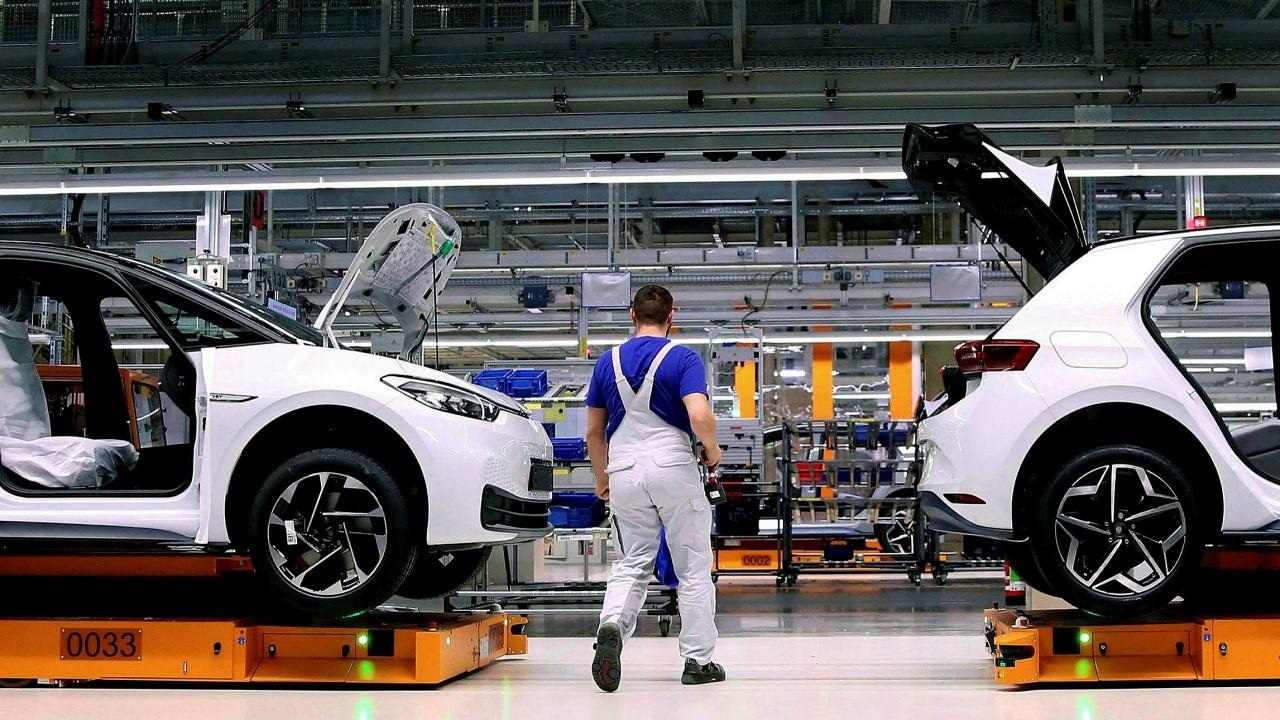
Volkswagen, Stellantis, and Renault have increased the prices of petrol engine vehicles in recent months while keeping electric models stable or discounted. Analysts suggest this move aims to nudge consumers toward EVs to meet CO₂ targets and avoid billions in potential fines.

For instance:

  • Stellantis’s Peugeot raised prices on non-EV models in France by up to 500 euros.
  • Renault added 300 euros to some petrol models, such as the Clio SCE 65, while keeping hybrid prices unchanged.
  • Volkswagen lowered the price of its ID.3 compact EV in multiple markets, bringing it below 30,000 euros in Germany.

While this strategy may steer demand, industry insiders warn it could backfire. Raising petrol car prices could reduce production volumes, further straining suppliers and the value chain without guaranteeing sufficient EV sales growth.

Profit Pressure and Discounts

The price hikes are expected to indirectly fund EV discounts, which are seen as critical to boosting adoption but will erode automaker margins. Analysts at S&P Global note that combustion-engine buyers effectively subsidize EV buyers through these pricing shifts.

In the UK alone, automakers anticipate EV-related targets will cost around £6 billion this year, with £4 billion attributed to discounts alone.

Pooling Emissions to Avoid Fines

To sidestep fines, some carmakers are turning to “pooling” strategies, where companies with high emissions buy credits from brands with stronger EV portfolios.

  • For example, Japan’s Suzuki partnered with Geely-owned Volvo to meet 2025 targets, significantly lowering Suzuki’s exposure to penalties.

This approach, while less costly than heavy discounts, remains another strain on profits.

Industry Pushback

Amid these mounting pressures, automakers are urging EU policymakers to reconsider the aggressive targets. Luc Chatel, president of French car lobby PFA, expressed frustration: “I can’t sell enough electric vehicles and I’m going to be penalized on my thermal vehicles. What do they want me to make, horse-drawn carriages?”

Looking Ahead

While EU regulators show little sign of easing rules, EV sales are forecast to climb significantly. GlobalData projects a 41% jump in EV sales across Europe next year, reaching 3.1 million units in 2025. Still, automakers face a balancing act of steering consumer demand, protecting margins, and avoiding fines.


Tesla Increases Model S Prices in the U.S. by $5,000

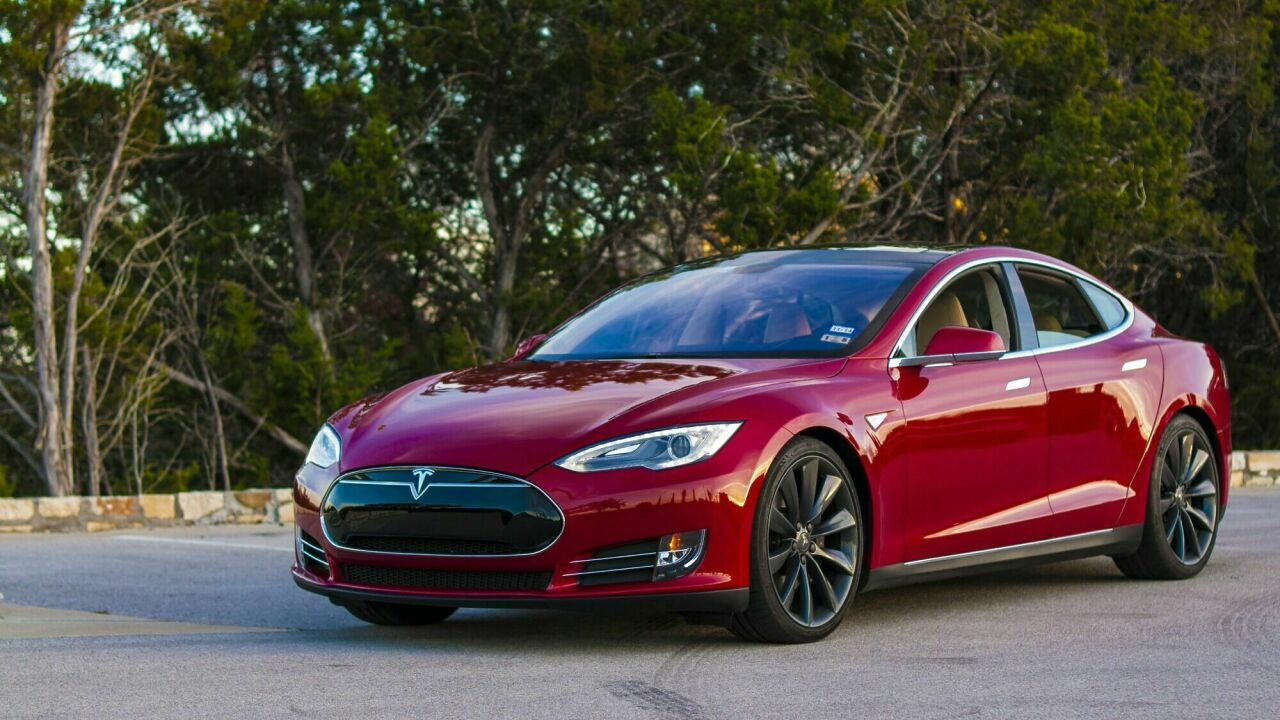
Tesla has raised the prices of its Model S vehicles in the United States by $5,000, as reflected on the company’s official website.

The base variant of the Model S, equipped with All-Wheel Drive (AWD), now starts at $79,990, while the high-performance “Plaid” variant is priced at $94,990.

Tesla has not provided an official reason for the price increase, but it comes amid ongoing adjustments to its vehicle pricing strategy in response to market dynamics and production costs.

The change follows recent fluctuations in pricing across Tesla’s lineup, as the company continues to balance affordability with maintaining its profit margins.


Lithium’s Role in EU’s Landmark Trade Deal with South America

On December 6, after 25 years of negotiations, the European Union (EU) and five Mercosur countries—Brazil, Argentina, Uruguay, Paraguay, and Bolivia—reached a monumental trade agreement. This deal is poised to create one of the largest free trade zones globally, impacting over 700 million people and accounting for around 20% of global GDP.

The trade pact aims to foster increased trade and investment, reduce tariff and non-tariff barriers, and establish stable rules around sustainable development. However, not all EU members support the deal. Countries like France and Poland are concerned it might create unfair competition, particularly in agriculture.

Despite limited media attention, lithium—often called “white gold” due to its high value and key role in technology—emerged as a central element of the agreement. According to analysts at ING, lithium’s significance was perhaps understated, even though the EU is highly dependent on China for critical raw materials and Latin American countries, including Argentina, Brazil, and Bolivia, hold substantial lithium reserves. This strategic access is vital as Europe increasingly demands lithium for industries like electric vehicles and renewable energy.

Latin America is responsible for about 35% of global lithium supply, with Chile and Argentina being the largest contributors. The region also holds more than half of the world’s lithium reserves, underscoring its importance in the global shift to cleaner energy.

Strategic Implications

European Commission President Ursula von der Leyen emphasized that the trade deal could save EU companies €4 billion annually in export duties. Kaja Kallas, the EU’s foreign policy chief, highlighted that the agreement would ensure European access to critical raw materials, mitigating the risk of competitors filling the void.

The deal became feasible after shifts in global dynamics, such as rising protectionism and strategic considerations regarding China’s growing influence in Latin America. Federico Steinberg from the Center for Strategic and International Studies noted that the EU would gain enhanced access to public procurement markets, high-value services, and vital raw materials like lithium, while also reducing tariffs on agricultural products.

Germany’s industrial federation (BDI) praised the deal, viewing it as a crucial step toward securing raw materials for electromobility and renewable energy industries. In a time of increasing global trade fragmentation, the EU-Mercosur agreement stands as a strategic move to bolster free trade and access to critical resources.