Yazılar

Scientists Discover Rare Metals in Coal Waste, Offering Potential for Clean Energy Transition

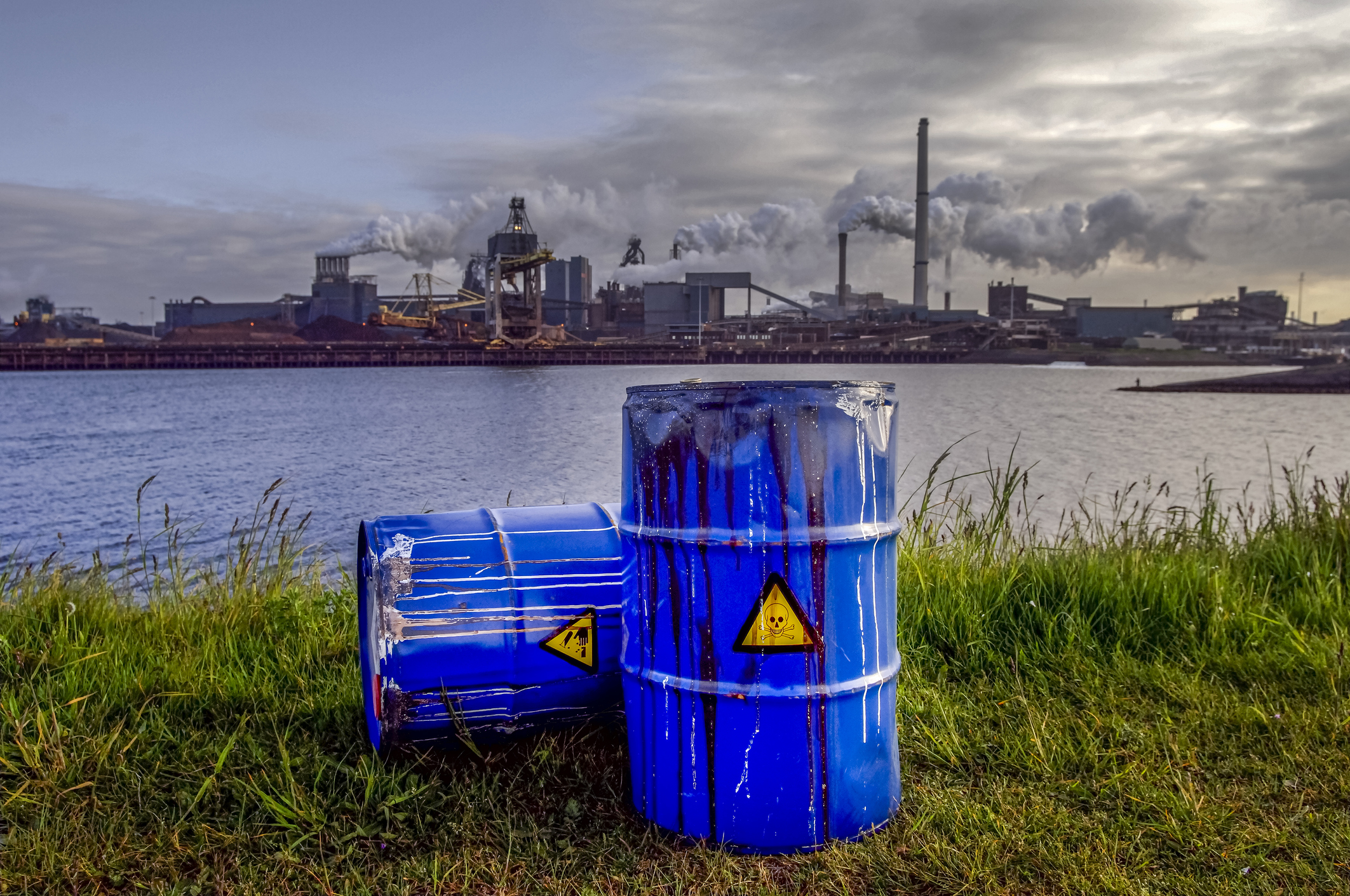
Scientists have uncovered a surprising potential source of rare earth metals in the vast amounts of coal ash left behind by power plants, presenting a new opportunity to advance clean energy technologies. These metals, essential for electric vehicles, solar panels, and wind turbines, are critical to the global shift away from fossil fuels, but their supply is limited. According to research led by the University of Texas at Austin, coal ash could contain up to 11 million tons of rare earth elements, worth around $8.4 billion. This is nearly eight times the amount currently available in U.S. reserves.

While coal ash has long been a concern due to its toxicity, the discovery of valuable rare earth elements within it could offer a way to recycle this waste and reduce reliance on mining. Bridget Scanlon, a research professor at the University of Texas, emphasized the opportunity to “close the cycle” by turning waste into a resource. The rare earth metals in coal ash, including scandium, neodymium, and yttrium, are crucial for clean technologies and are typically difficult and expensive to extract from conventional ore deposits.

Despite the name “rare earths,” these metals are not rare in nature but are challenging to separate from their ores. With global demand for these elements expected to rise sharply in the coming years, the need for alternative sources is becoming urgent. The International Energy Agency predicts that demand could increase up to sevenfold by 2040, yet the U.S. currently imports over 95% of its rare earths, mainly from China, presenting both supply chain risks and national security concerns.

In response, there has been growing interest in unconventional sources of these metals, with coal and its byproducts emerging as a viable option. Coal ash is produced in massive quantities—around 70 million tons annually in the U.S.—and contains trace amounts of rare earth elements. The extraction process would be significantly more efficient than traditional mining, as much of the material is already processed, leaving only the need to extract the metals.

However, the extraction process is not without challenges. The coal ash from different regions of the U.S. varies in its concentration of rare earths. For example, coal ash from the Appalachian Basin has higher concentrations but can only yield 30% of the available metals. In contrast, coal ash from the Powder River Basin, with lower concentrations, allows for up to 70% of the rare earth elements to be extracted.

Despite these variations, experts caution that the extraction process could be costly, involving strong acids and bases that are both expensive and environmentally hazardous. The environmental impact of extracting these metals, particularly when coal ash contains contaminants like mercury, arsenic, and lead, is another concern.

However, the research team argues that the financial value of the metals could offset the costs of improving the management and storage of coal ash. The Biden administration has already invested $17.5 million into projects focused on extracting rare earths from coal byproducts, aiming to enhance national security, revitalize energy and manufacturing sectors, and create jobs.

While some worry that focusing on coal ash could inadvertently encourage further coal production, Scanlon reassured that the plan focuses on utilizing existing waste, with over 2 billion tons of coal ash already stored across the U.S. This approach is aimed at extracting value without incentivizing the continued use of coal, as most of the focus is on “legacy waste.”

The ultimate goal is to explore a range of valuable products that can be derived from coal waste, contributing to a more sustainable approach to resource extraction while advancing the clean energy transition.


Britain Forecasted to Reach Peak Gasoline This Year as Electric Vehicles Gain Traction

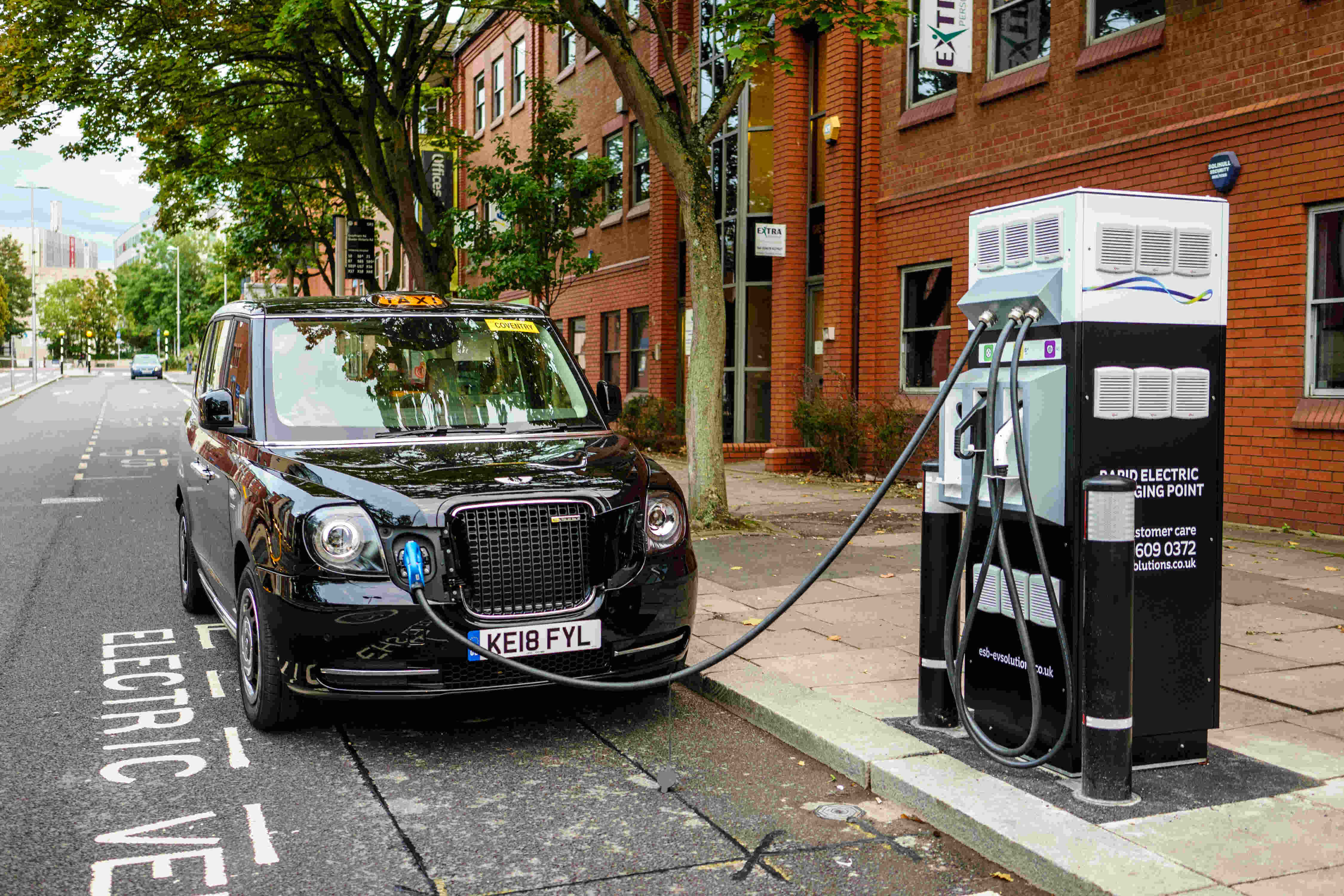
Britain is set to reach a milestone in 2024, with the country expected to hit “peak petrol” — a moment when the number of gasoline-powered cars will begin to significantly decline, signaling a shift towards electric vehicles (EVs).

According to a report published by Auto Trader, the number of gasoline-powered cars on British roads is forecast to drop nearly by half over the next decade as drivers increasingly switch to EVs. In 2024, there are expected to be 18.7 million gasoline cars, a number projected to fall to 11.1 million by 2034.

Meanwhile, the number of EVs on the roads is expected to skyrocket from 1.25 million in 2024 to 13.7 million by 2034. The EV share of new car sales is projected to increase from 18% in 2024 to 23% in 2025, although this still falls short of the U.K. government’s target of 28% under the Zero Emissions Vehicle (ZEV) mandate.

“Peak petrol marks a genuine turning point for the U.K.,” said Ian Plummer of Auto Trader. “Over the next decade, we expect a seismic shift in British motoring as the number of petrol cars falls sharply and EVs take a larger share.”

Despite challenges such as the introduction of ZEV targets and supply constraints, Plummer noted that strong demand for used cars continues.

ZEV Mandate and Industry Pressures

The U.K.’s ZEV mandate requires that at least 22% of new cars sold be zero-emission vehicles, with the target set to rise to 28% in 2025, 80% by 2030, and 100% by 2035. However, the mandate has faced criticism, particularly as the cost of EVs remains high, leading to concerns over the industry’s ability to meet targets without putting businesses at risk.

The Society of Motor Manufacturers and Traders (SMMT) has warned that government targets could harm the industry’s viability and job security, citing recent closures like Stellantis’ Vauxhall van factory in Luton, which threatens over 1,000 jobs.

Despite these concerns, 14 NGOs and campaign groups sent an open letter urging the U.K. government to uphold the ZEV mandate, arguing that it remains one of the country’s most significant measures for reducing carbon emissions.

A U.K. government spokesperson confirmed that a consultation will be launched soon to explore how to best support the industry in reaching its target of phasing out internal combustion engine vehicles by 2030. The government has also allocated £2 billion ($2.54 billion) to support domestic manufacturing during the transition and committed over £300 million to boost EV adoption.

Nissan CEO Makoto Uchida Faces Mounting Pressure Amid Automaker’s Struggles

Nissan CEO Makoto Uchida is under intense scrutiny as the automaker grapples with declining sales, job cuts, and strategic missteps in its critical markets, including the United States and China. The company, once a leader in electric vehicles (EVs), is now struggling to recover its footing amidst industry-wide disruptions and internal management challenges.

A Crisis in Leadership

In an October meeting with hundreds of Nissan managers, Uchida delivered stark news about the company’s worsening financial position. Weak sales in North America and China were cited as primary factors, alongside the absence of gasoline-electric hybrids in the U.S. market. Nissan’s decision to go “all-in” on EVs in the U.S. left it vulnerable as demand for hybrids surged due to high EV costs and limited charging infrastructure.

Despite being aware of this demand, Nissan delayed adapting its strategy, leading to missed opportunities. The company has sold its e-Power hybrids in Japan since 2016 but will not introduce a plug-in hybrid in the U.S. until March 2026.

“We weren’t able to foresee the rapid rise in demand for hybrids,” Uchida admitted at a November earnings conference, acknowledging management misjudgments.

Restructuring and Cost-Cutting Measures

To address these challenges, Uchida has pledged to cut 9,000 jobs, reduce global production capacity by 20%, and save $2.6 billion in costs. The company has already seen 1,000 U.S. employees accept early retirement and is considering further cuts in Thailand and China, where underutilized factories may be closed.

Nissan’s joint-venture plant in Mexico, COMPAS, is a likely target for downsizing. The facility, shared with Mercedes-Benz, has been operating far below its 230,000-vehicle annual capacity, producing only about 50,000 vehicles.

The Sunderland plant in the UK, however, is expected to remain operational due to recent upgrades. Weakness in the yen has also made Japan a relatively cost-effective manufacturing base, reducing the likelihood of significant cuts there.

Market Challenges and Missed Opportunities

Nissan has struggled to maintain its position in key markets. The company’s market share in China, once a stronghold, has eroded as it failed to keep up with shifting consumer preferences for futuristic-looking hybrids. Similarly, in the U.S., its EV strategy faltered when post-pandemic consumer spending slowed, and hybrids gained popularity.

The Ariya, Nissan’s much-anticipated EV, faced production delays and missed out on a $7,500 U.S. tax credit due to being manufactured in Japan rather than North America.

Nissan’s global sales fell to 3.3 million vehicles in 2022, a 40% decline from 2017 levels. The company’s stock has also plummeted 70% in the last decade, erasing $30 billion in value.

Internal Turmoil and Activist Pressure

Since the 2018 arrest of former chairman Carlos Ghosn, Nissan has been plagued by leadership instability. Uchida is now facing scrutiny from activist investors such as Singapore-based Effissimo Capital Management and Hong Kong’s Oasis Management, who have built stakes in the company.

The CEO has also been criticized internally for his handling of the company’s recovery and strategic direction. Analysts have questioned Nissan’s decision-making for over a year, particularly regarding the lack of hybrids in the U.S. market.

Future Prospects

Nissan is making efforts to pivot. The company plans to launch 34 hybrid and EV models globally by 2030, including a plug-in hybrid for the U.S. by 2026. Additionally, it is exploring partnerships, such as a potential long-term collaboration with Honda on batteries and research.

Despite the challenges, Uchida remains resolute. “I am determined and committed to fulfill my duty as CEO,” he stated during a recent press conference. However, with declining sales, intensifying competition from Tesla and BYD, and increasing scrutiny from stakeholders, the road ahead for both Uchida and Nissan remains uncertain.