Yazılar

GM to Sell Stake in Battery Cell Plant to LG Energy Solution for $1 Billion

General Motors (GM) has announced its decision to sell its stake in a $2.6 billion electric vehicle (EV) battery cell plant in Lansing, Michigan, to its joint venture partner, LG Energy Solution (LGES). The Detroit-based automaker expects to recoup approximately $1 billion from the sale, which is part of a nonbinding agreement between the two companies. This transaction is expected to be completed in the first quarter of 2024.

The Lansing facility, a 2.8 million-square-foot plant, is nearly finished and was initially planned to be the third battery cell production site for their joint venture, Ultium Cells LLC, following operational plants in Ohio and Tennessee. The plant was first announced in January 2022, and GM and LGES formed their partnership five years ago.

GM’s decision to sell its stake is driven by the need to adjust production to meet current EV market conditions, including slower-than-expected consumer demand and uncertainties surrounding federal incentives for EV manufacturing and sales in the U.S. under President-elect Donald Trump. However, GM emphasized that the sale would not affect its overall stake in the joint venture or its plans for a separate joint venture with LGES competitor Samsung SDI.

Paul Jacobson, GM’s Chief Financial Officer, expressed confidence that the deal would enable the automaker to continue growing in the EV market efficiently. He stated, “We believe we have the right cell and manufacturing capabilities in place to grow with the EV market in a capital efficient manner.” Jacobson added that the sale would also help LG Energy Solution meet growing demand by utilizing the nearly ready Lansing facility.

Following the sale, LGES will gain immediate access to the Lansing plant to begin installing equipment, as the facility prepares for operations, expected by the end of 2023. The plant currently employs around 100 people.

In addition to the sale, GM also revealed it is extending its 14-year battery technology partnership with LGES to develop prismatic cells, an emerging battery form factor. Prismatic cells, which are flat and rectangular, offer more efficient space utilization within battery modules and packs. GM highlighted that these cells could reduce the weight and cost of EVs while simplifying the manufacturing process.

Kurt Kelty, GM’s vice president of battery cell and pack, noted, “We’re focused on optimizing our battery technology by developing the right battery chemistries and form factors to improve EV performance, enhance safety, and reduce costs.” The expansion of GM’s battery technologies will also include prismatic cells in addition to its current Ultium pouch-style cells.


Jaguar Unveils ‘Type 00’ Concept Car Amidst Controversial Rebranding Efforts

INTRODUCTION

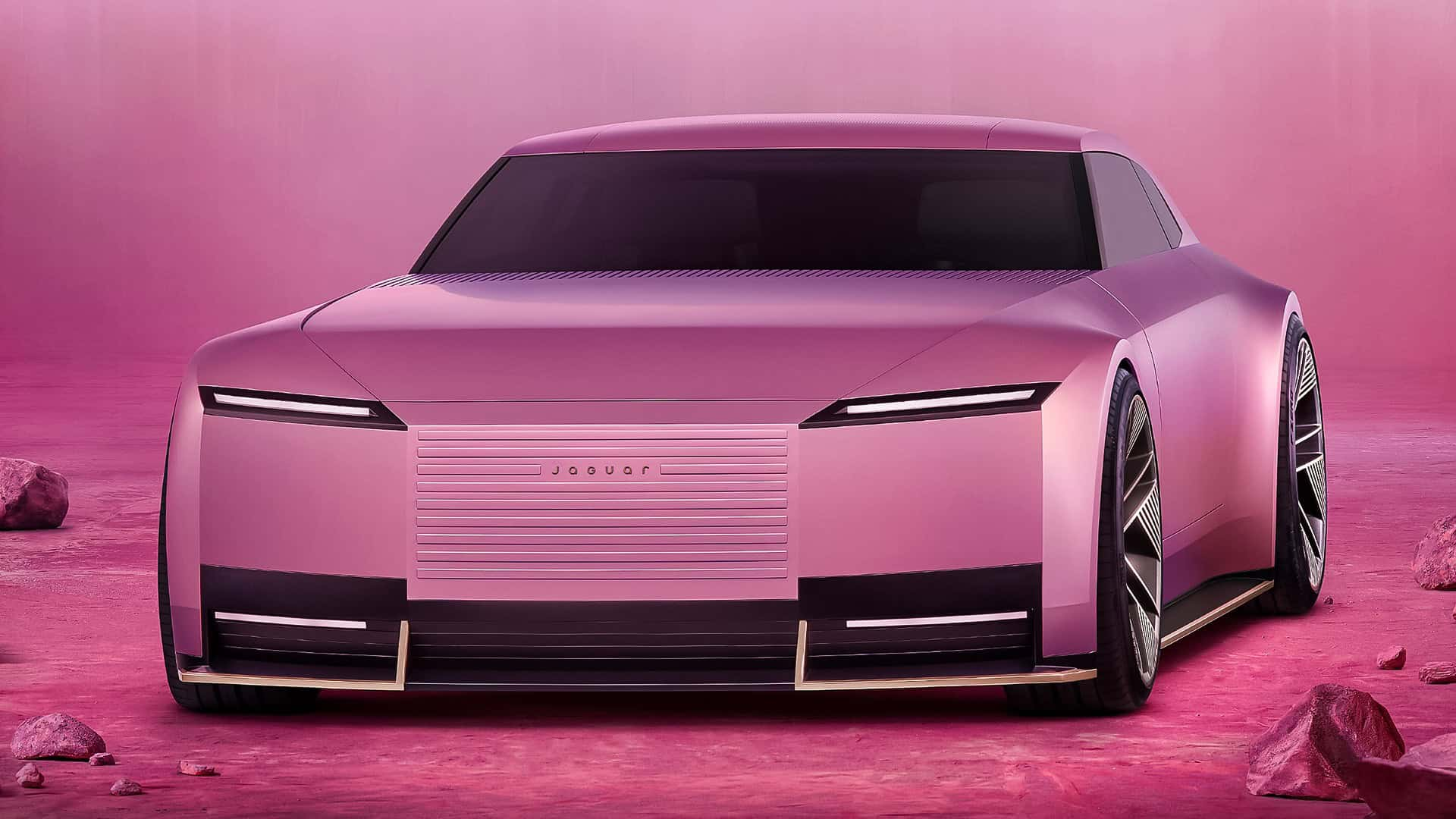
British luxury carmaker Jaguar introduced its “Type 00” all-electric concept car, marking the first step under its newly reimagined brand identity. The reveal follows a divisive rebranding campaign that has sparked both praise and criticism, as Jaguar moves to position itself as an all-electric brand by 2026.


KEY DETAILS

The ‘Type 00’ Concept Car

  • Design Features:
    • The “Type 00” concept boasts a minimalist, boxy design with sleek lighting and oversized wheels, diverging significantly from Jaguar’s traditionally sporty aesthetic.
    • While concept cars like the “Type 00” are not intended for consumer sale, they provide insight into the company’s future design language.
  • Future EV Plans:
    • Jaguar plans to launch a four-door electric GT resembling the “Type 00” concept by 2024.
    • The production EVs are projected to offer a range of up to 430 miles per charge and rapid charging capabilities, adding 200 miles of range in just 15 minutes.

Rebranding Efforts and Backlash

  • “Copy Nothing” Campaign:
    • Jaguar unveiled a new logo, fonts, and an artistically flamboyant ad campaign featuring diverse models in a vivid landscape, but notably absent were cars.
    • The ad drew significant criticism online, with detractors calling it “woke” and lamenting the removal of the iconic Jaguar logo.
  • Company Response:
    • Jaguar defended the campaign, describing it as a bold reinvention designed to move away from “traditional automotive stereotypes.”
    • Managing Director Rawdon Glover addressed the backlash, condemning “vile hatred” expressed by some critics while denying that the campaign represented “woke” values.

Transition Challenges

  • Electric-Only Ambitions:
    • Jaguar plans to halt all new car sales in the UK until its relaunch as an electric-only brand in 2026, aligning with broader industry trends.
    • However, this transition comes amid slower-than-anticipated EV adoption globally, a challenge faced by many automakers shifting to electric models.

ANALYSIS

Strategic Risks and Rewards

Jaguar’s ambitious move to redefine itself could reinvigorate its identity in a competitive luxury EV market but risks alienating its traditional customer base. The “Type 00” concept represents a daring departure from its iconic heritage, signaling the brand’s willingness to innovate.

Market Positioning

The transition to electric vehicles positions Jaguar alongside luxury competitors embracing sustainability. However, Jaguar’s price-point adjustment and the high expectations for its new models will be critical in securing its foothold.

Public Perception

While the rebranding campaign succeeded in garnering attention, its polarizing nature underscores the challenge of balancing modern reinvention with legacy preservation. Jaguar’s next steps will likely determine whether it can win back skeptical consumers while appealing to a new demographic.


CONCLUSION

Jaguar’s unveiling of the “Type 00” concept car and its controversial rebranding campaign mark a pivotal moment in its transformation toward an all-electric future. As the company navigates the dual challenges of innovation and customer retention, the success of its upcoming EVs and marketing strategies will shape its legacy in the electric age.

Chinese Automakers Exceed Annual Delivery Targets Amid Strong Market Demand

Leading Chinese automakers BYD, Leapmotor, Xiaomi, and others have surpassed their 2023 delivery targets ahead of schedule, highlighting the burgeoning growth in China’s electric vehicle (EV) market as the year nears its close.

Key Performers

  1. BYD
    • Delivered 504,003 passenger vehicles in November, a slight increase from October’s 500,526.
    • Year-to-date deliveries total 3,740,930, exceeding the initial full-year target of 3.6 million vehicles.
  2. Leapmotor
    • Recorded 40,169 deliveries in November, reflecting a 5.22% monthly increase and a 117% year-on-year surge.
    • Year-to-date deliveries reached 251,207, surpassing the target of 250,000 vehicles.
  3. Xiaomi
    • Surpassed its initial target of 100,000 deliveries in mid-November, following the March launch of its first car, the SU7.
    • November saw over 20,000 deliveries for the second consecutive month. The revised target now stands at 130,000 deliveries by year-end.
  4. Zeekr
    • Delivered 27,011 vehicles in November, marking a 7.83% increase from October and a 106% year-on-year growth.
    • Year-to-date deliveries total 194,933, closing in on the target of 230,000 vehicles.
  5. Xpeng
    • Achieved a record 30,895 deliveries in November, up 29% month-on-month.
    • Deliveries included 10,000 units of the mass-market Mona M03 for the third consecutive month, alongside 7,000+ units of the new P7+ sedan.
  6. Nio
    • Delivered 20,575 vehicles in November, reflecting a 28.9% year-on-year increase.
    • Year-to-date deliveries total 190,832, with a quarterly goal of 72,000–75,000 vehicles in Q4. The company plans to launch its new Firefly brand on Dec. 21.
  7. Li Auto
    • Delivered 48,740 cars in November, a 5.25% drop from October.
    • Year-to-date deliveries reached 441,995, close to the revised annual goal of 480,000 vehicles.

Market Dynamics

  • Tesla’s Price Cut: In response to the intensifying price war in China, Tesla slashed 10,000 yuan off the Model Y price, reducing it to 239,900 yuan through December.
  • Diverse Strategies: Automakers are leveraging innovative models, expanded lineups, and competitive pricing to capture market share. Brands like BYD and Xpeng continue to dominate with broad EV portfolios, while others like Xiaomi are rapidly scaling operations in their debut year.

Challenges and Outlook

Despite strong growth, companies face challenges including price wars, evolving consumer preferences, and high competition. However, the sector remains optimistic about further expansion, with firms like BYD and Nio outlining ambitious delivery goals for 2024 and beyond.