Yazılar

Ola Electric Reduces Q2 Loss, Calls Most Service Issues ‘Minor’

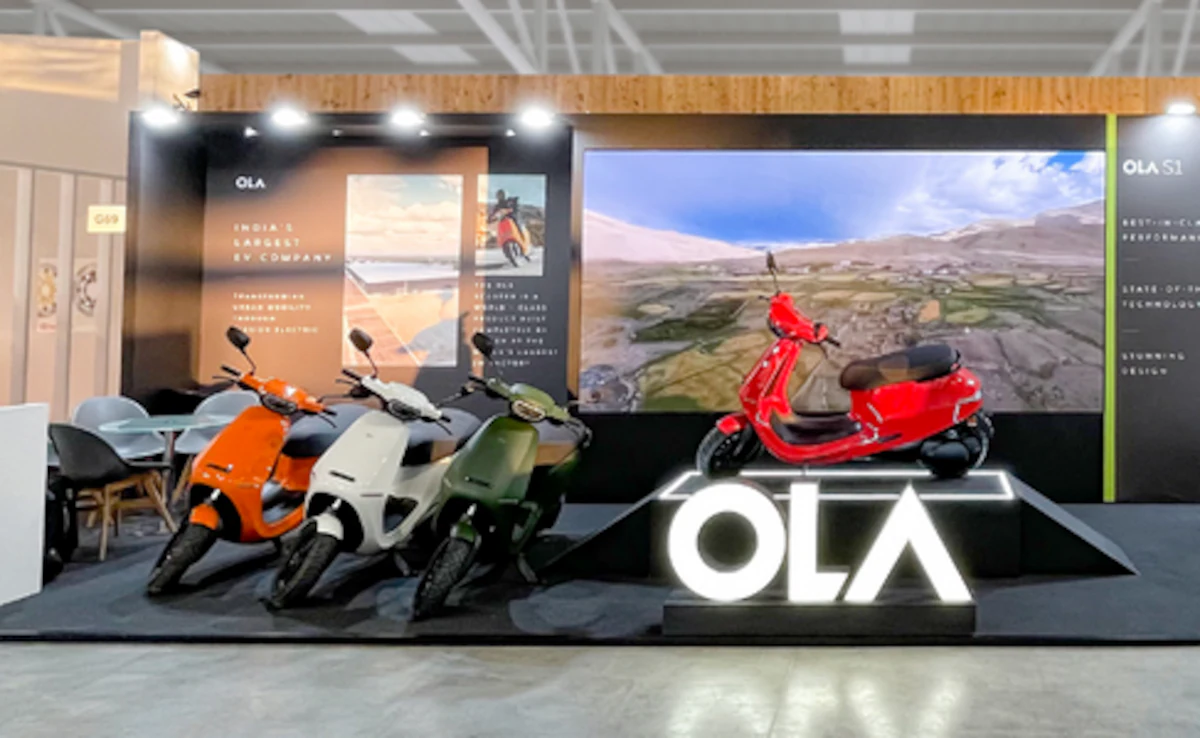
Ola Electric, India’s leading e-scooter manufacturer by market share, reported a reduced loss for the second quarter, boosted by a significant rise in sales. In its earnings report for the July-September quarter, the Bengaluru-based company revealed that its consolidated loss shrank to 4.95 billion rupees ($58.7 million), compared to 5.24 billion rupees in the same period last year. This improvement reflects the company’s growing presence in the electric scooter market.

Increase in Revenue Driven by Mass Market Models
Ola Electric’s quarterly revenue saw a notable jump of 39.1%, reaching 12.14 billion rupees. This growth was largely driven by the introduction of more affordable models priced below 100,000 rupees ($1,186). The company had not yet begun deliveries of these mass-market models in the previous year, which contributed to the significant increase in revenue. With these more budget-friendly scooters now available, Ola has expanded its customer base, making electric scooters accessible to a broader audience.

Service Surge and Company Response
Despite the positive financial performance, Ola Electric acknowledged a recent surge in service requests. However, the company emphasized that most of these requests were for “minor issues,” which it believes do not point to any systemic problems with its products. Ola’s management expressed confidence in its ability to handle these service demands, suggesting that the increase in requests was typical for a company scaling up its production and delivery capabilities.

Outlook for Future Growth
Ola Electric remains optimistic about its future, with plans to continue expanding its product offerings and market reach. The company is focused on solidifying its position in the electric vehicle market, particularly in India, where demand for sustainable transportation options is on the rise. As the company scales its operations and refines its products, Ola is well-positioned to lead the electric scooter market in the region, continuing its trajectory toward profitability.

Automakers Push Trump Administration to Retain EV Tax Credits and Promote Self-Driving Cars

Key Appeals from Automakers

Preserve EV Tax Credits

  • The Alliance for Automotive Innovation, representing major automakers like General Motors, Toyota, and Volkswagen, has urged President-elect Donald Trump to retain the $7,500 consumer tax credit for electric vehicle (EV) purchases.
  • Eliminating the credit, a move reportedly under consideration by Trump’s transition team, could further stall the already sluggish EV adoption in the U.S.

Encourage Self-Driving Cars

  • Automakers emphasized the need for federal initiatives to accelerate the deployment of autonomous vehicles, pointing out that China is already creating a supportive regulatory framework for self-driving technology.

Reconsider Stringent Safety and Emission Rules

  • The group expressed concerns over existing and proposed regulations:
    • Vehicle Emissions: They called for “reasonable and achievable” standards, arguing that current regulations—especially in California and aligned states—raise consumer costs and fail to align with market realities.
    • Automatic Emergency Braking Systems: Automakers requested a review of rules requiring advanced braking systems in nearly all new vehicles by 2029, deeming them technologically unfeasible under current conditions.

Regulatory Backdrop and Political Shifts

Trump Administration’s Proposed Rollbacks

  • The Trump transition team is reportedly planning to:
    • Eliminate the EV tax credit.
    • Target Biden-era regulations aimed at improving fuel efficiency and mandating at least 35% EV production by 2032.

Contrasts with Biden’s Policies

  • The Biden administration’s measures incentivize EV production and aim for a gradual shift away from fossil-fuel-powered vehicles.
  • Automakers fear losing ground against China, where EVs benefit from heavy subsidies and favorable policies.

Industry Concerns and Market Impacts

Global Competition

  • Automakers cited unfair competition from Chinese EVs and technologies benefiting from substantial subsidies.
  • The industry is seeking U.S. regulatory adjustments to remain competitive internationally.

Consumer Costs

  • The automakers argued that inconsistent emissions regulations across states increase costs for buyers.

Technology Feasibility

  • Automakers flagged potential challenges in meeting both safety and emissions standards without significant technological advancements or support.

Implications

For EV Transition

  • Removing the EV tax credit could dampen consumer interest and investment in EV infrastructure.
  • The U.S. risks lagging behind other nations, particularly China, in EV and autonomous technology adoption.

For Federal Policy

  • The automakers’ letter highlights tensions between federal and state regulations, particularly California’s more stringent policies.
  • Balancing consumer affordability, industry competitiveness, and environmental goals remains a significant challenge for the incoming administration.

Xiaomi Boosts EV Delivery Targets Amid Surging Demand

Increased Goals Reflect Growing Market Success

Xiaomi Corp has raised its 2023 electric vehicle (EV) delivery target for the third time, now aiming to deliver 130,000 units of its debut SU7 sedan. This is a significant increase from its initial goal of 76,000 when the car launched in March.

The SU7, inspired by Porsche designs, has captivated buyers with a starting price below $30,000, undercutting Tesla’s Model 3 in China by $4,000. Xiaomi’s success reflects broader trends in China’s EV market, where electric and plug-in hybrid vehicles accounted for over half of October’s auto sales, a 56.7% year-on-year increase.


Scaling Production to Meet Demand

Xiaomi has ramped up production since June, doubling shifts at its factories and introducing the premium SU7 Ultra, priced above $110,000. The company’s manufacturing facilities now have a capacity of 20,000 units per month, with room for further growth.

President Lu Weibing highlighted Xiaomi’s continued investment in both hardware and software to support new models and autonomous driving technology.


Financial Performance and Market Position

In the third quarter, Xiaomi reported revenue of 92.5 billion yuan ($12.77 billion), surpassing analysts’ expectations of 91.1 billion yuan. However, its EV unit remains unprofitable, recording a loss of 1.5 billion yuan for the quarter, despite a 17.1% gross profit margin.

Xiaomi’s smartphone division remains a cornerstone of its business, maintaining its rank as the world’s third-largest smartphone maker with a 14% market share and 42.8 million units shipped in Q3.

The company’s adjusted net profit rose 4.4% to 6.25 billion yuan, exceeding market estimates of 5.92 billion yuan.


Future Projections and Market Expansion

Analysts at Huatai Securities forecast Xiaomi will deliver 400,000 EVs in 2025, with EV sales projected to contribute 20% of revenue, compared to 8% this year. To support growth, Xiaomi plans to expand its retail footprint in mainland China from 13,000 to 15,000 stores by year-end and to 20,000 by 2024.

The company’s strategic push into EVs demonstrates its ambition to diversify revenue streams and solidify its position in the competitive Chinese market.