Yazılar

Silicon Anodes Surge Ahead in EV Battery Technology Amid Solid-State Battery Challenges

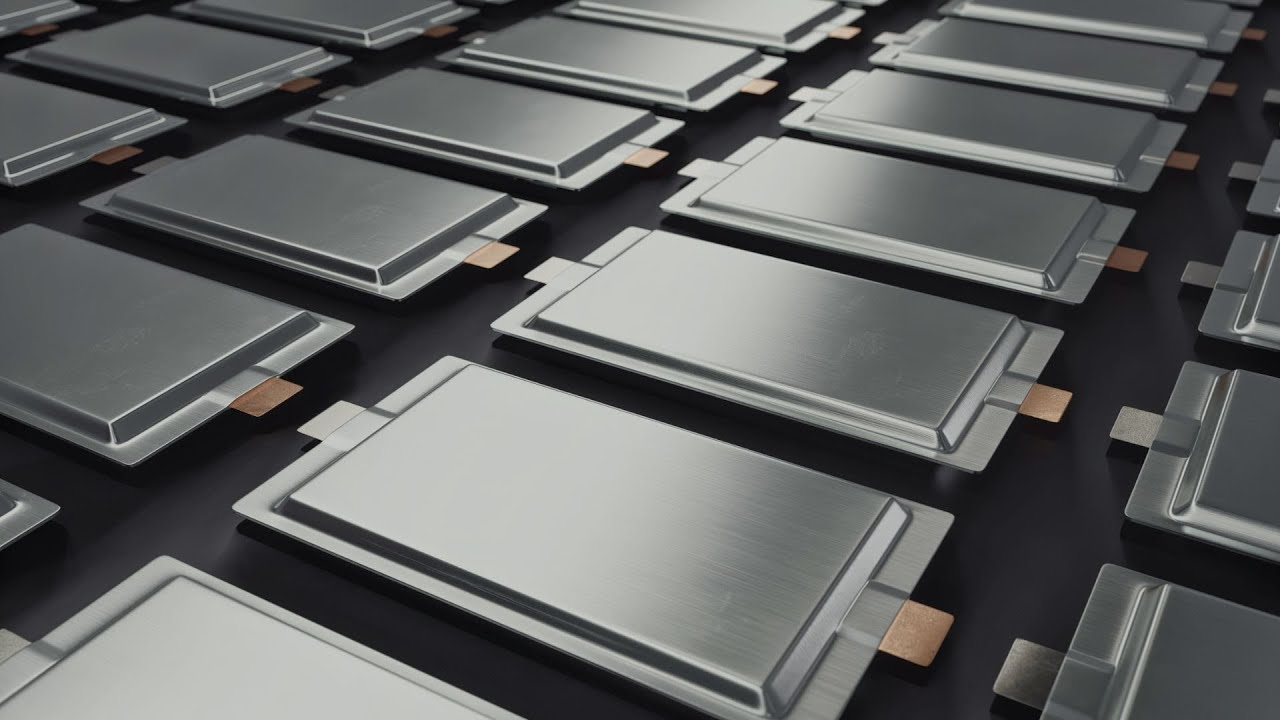
Silicon anodes are emerging as the frontrunner in next-generation battery technology for electric vehicles (EVs), offering promising improvements in energy density and charging speed. While solid-state batteries were once hailed as the “holy grail” for EV sustainability, momentum in this area has waned due to persistent technical obstacles. In contrast, the potential of silicon-based anodes has spurred partnerships between automakers like Mercedes, Porsche, and GM with battery manufacturers to enhance EV performance.

A report from consultancy IDTechEx describes the potential of silicon anode materials as “immense” for key battery performance metrics, but it also highlights significant challenges, including cost, cycle life, and longevity. Venkat Srinivasan, director at Argonne National Laboratory’s Collaborative Center for Energy Storage Science, notes that silicon anodes are currently leading the battery technology race. Srinivasan highlights that while silicon anodes had a calendar life of about one year five years ago, recent advancements have extended this to three to four years, showing progress toward commercial viability.

Unlike cycle life, which counts charging and discharging cycles, calendar life measures how long a battery can maintain over 80% of its initial capacity over time. Solid-state batteries, using solid rather than liquid electrolytes, still lag behind silicon anodes in this aspect, according to Srinivasan.

Silicon anodes theoretically offer up to 10 times the energy density of conventional graphite anodes. However, they degrade faster when used in high concentrations due to significant swelling during charging, reducing battery life. Rory McNulty, a senior research analyst at Benchmark Mineral Intelligence, notes that silicon anodes and solid-state batteries represent two leading EV battery technology pathways, each pushing the boundaries of performance. He points out that solid-state batteries could stabilize high-energy materials like silicon and lithium, improving safety and longevity, yet challenges remain before they can compete effectively with silicon anodes.

Some automakers, including Toyota and Nissan, aim to bring solid-state batteries to market soon, with China’s SAIC Motor Corp planning to use solid-state batteries in its MG cars within the next year. However, analysts remain skeptical about the timeline for broad market adoption of solid-state technology.

Georgi Georgiev, battery raw materials analyst at Fastmarkets, calls silicon anodes a strategic opportunity, especially in Western markets where companies are eager to break China’s 98% share of the graphite-anode supply chain. Companies from China and South Korea to newer players like Taiwan’s ProLogium and U.S.-based Sila Nanotechnologies are exploring silicon’s potential. ProLogium recently showcased the world’s first fully silicon anode battery at the Paris Motor Show, claiming that it offers significantly reduced charging times and improved energy efficiency compared to traditional lithium-ion options.

Still, the high production cost and technical challenges of using 100% silicon anodes remain hurdles to full-scale commercialization. Georgiev anticipates that for the foreseeable future, silicon will likely be used as an additive to graphite anodes, gradually increasing silicon content over time. The shift to entirely silicon anodes may take longer due to the substantial development work required to ensure durability, cost efficiency, and compatibility with existing manufacturing processes.


EU-China Electric Vehicle Dispute Highlights Complex Diplomacy, Averts Trade Escalation

As the EU and China navigate their ongoing dispute over electric vehicle (EV) tariffs, both parties are attempting to prevent a full-scale trade conflict. The European Union recently imposed tariffs as high as 45.3% on Chinese EV imports, alleging that Chinese subsidies have unfairly supported its auto industry. In response, China has placed restrictions on certain European goods, including pork, dairy, and brandy. Despite these tensions, EU member states are using the dispute as a diplomatic tool, aiming to strengthen their individual trade relationships with China even as multilateral talks encounter obstacles.

European leaders and trade officials continue to visit China, underscoring the importance of constructive engagement. French and Finnish officials, among others, have recently met with Chinese counterparts, seeking ways to bolster commercial ties while avoiding further trade fallout. Notably, France, a significant player in the dispute, has maintained its commitment to expanding trade with China, as evidenced by its “Country of Honour” designation at China’s annual import expo this year. This approach reflects a broader EU strategy of selective engagement, balancing economic pragmatism with a cautious stance on trade protection.

This diplomatic approach is particularly important given the internal divisions within the EU. When the tariff measures were up for a vote, EU member states were split: 10 voted in favor, 5 against, and 12 abstained. Germany, Europe’s largest economy, notably opposed the tariffs, which has sparked a debate on how to best manage the economic risks posed by Chinese imports. Some EU nations hope to secure additional Chinese investment in their domestic industries, viewing a softer stance as a pathway to minimize Chinese retaliation. This sentiment is echoed in recent actions by leaders from countries such as Slovakia and Finland, who have actively pursued trade agreements with China.

For China, managing the dispute carefully is essential, particularly as its economy faces deflationary pressures and the need to expand its EV exports. Analysts point out that China’s response, while calculated, has been limited to tariffs on specific European products. This measured reaction suggests Beijing’s focus on controlling the situation to avoid broader economic strain. The dispute has also led both parties to seek arbitration through the World Trade Organization (WTO), though such a process could take years to resolve fully.

Analysts suggest a potential path forward: a compromise on minimum import prices, which would retain some level of tariffs but reduce their severity. This outcome could provide a diplomatic solution that preserves both European and Chinese interests without escalating the conflict. Bo Zhengyuan, an expert from consultancy Plenum, noted that adjusting the tariff rates rather than removing them entirely may be the most realistic resolution in the near term.

Despite the ongoing EV dispute, the EU and China have strong incentives to maintain stable trade relations. European officials are aware that a deeper rift could hinder access to critical materials needed for the green energy transition, and Chinese leaders are cautious about further economic setbacks. Ultimately, the current situation reflects a broader trend: both sides are attempting to “muddle through” the complexities of trade policy while keeping tensions in check.


Tata Tigor EV XE: Features, Pricing in India, and Complete Overview

The Tata Tigor EV XE stands out as a compact electric sedan tailored for urban commuters who value eco-friendly transportation and a comfortable driving experience. With its sleek design and a range of practical features, the Tigor EV XE is optimized for city travel, offering a smooth and quiet ride while contributing to a cleaner environment. It’s aimed at modern consumers who seek vehicles that align with their sustainable lifestyle without sacrificing convenience.

Tata Tigor EV XE Price in India

Positioned competitively in the electric vehicle market, the Tata Tigor EV XE is priced at Rs. 13.94 lakh. This pricing makes it an appealing option for buyers who want an affordable electric sedan that doesn’t compromise on essential features. With the rising interest in electric vehicles, the Tigor EV XE provides a stylish and budget-friendly solution for eco-conscious consumers.

Tata Tigor EV XE Specifications

The Tigor EV XE is equipped with an efficient electric motor, designed to offer a seamless and energy-efficient driving experience. Its compact dimensions include a length of 3993 mm, a width of 1677 mm, and a height of 1532 mm, ensuring that the car is easy to maneuver through crowded urban streets while maintaining a spacious interior for passengers. A wheelbase of 2450 mm enhances vehicle stability, and with a ground clearance of 172 mm, the sedan is well-suited to handle varying road conditions. Weighing in at a kerb weight of 1235 kg, it offers a balanced and confident drive.

Spacious and Family-Friendly

The Tata Tigor EV XE is designed with families in mind, featuring four doors and seating for up to five passengers. The interior layout maximizes comfort and space, making it ideal for both short city trips and longer journeys. The car also provides a boot space of 316 litres, ample for carrying everyday essentials or luggage for weekend getaways. This blend of functionality and thoughtful design underscores Tata Motors’ commitment to providing practical and efficient electric vehicles.