Yazılar

BYD Surpasses Tesla in Quarterly Sales, Signals Strong Future Growth

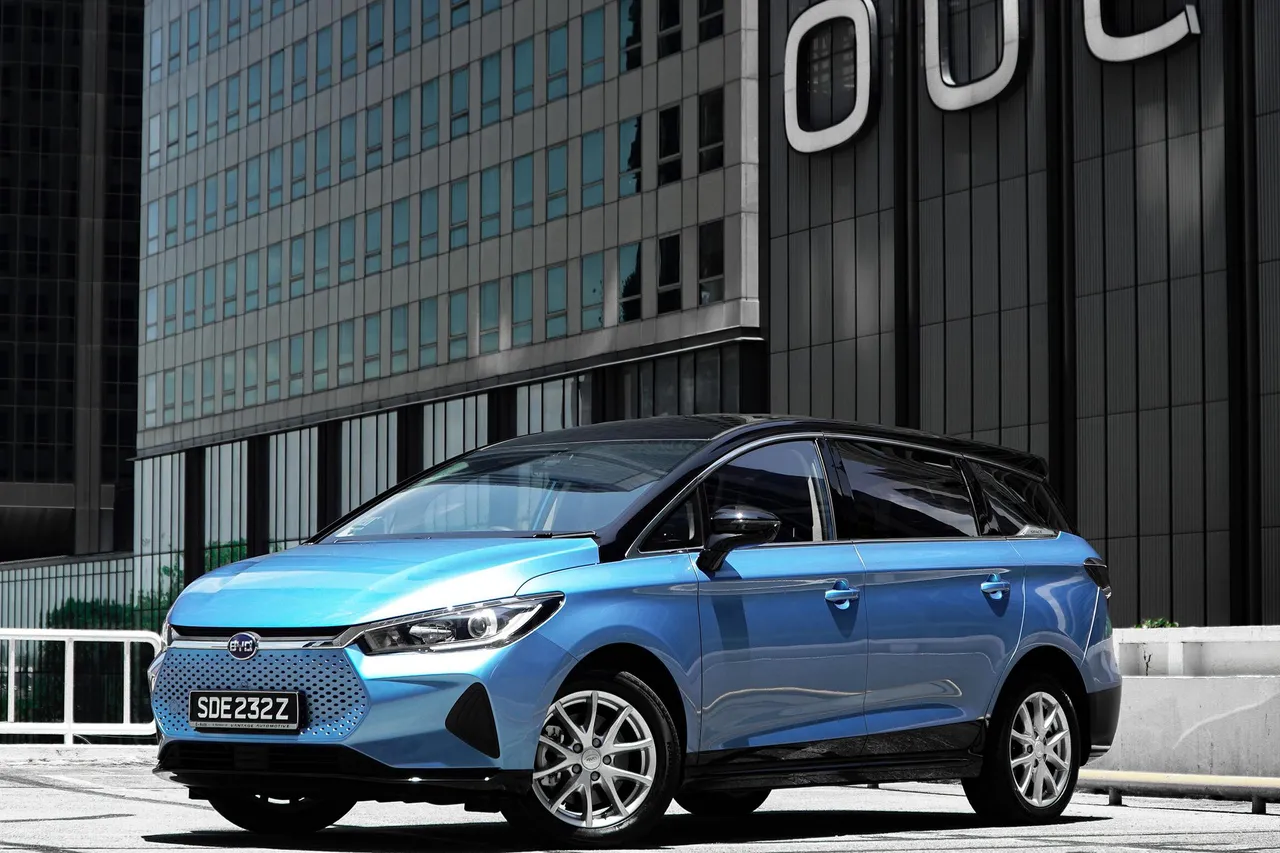
Chinese electric vehicle (EV) manufacturer BYD has overtaken Tesla in quarterly sales, achieving a significant milestone in its latest financial results. BYD reported an impressive revenue of 201 billion yuan ($28 billion) for the three months ending September, surpassing Tesla’s $25.2 billion in revenue by nearly $3 billion. This growth reflects BYD’s rapid expansion, primarily driven by sales of both fully electric and hybrid vehicles, as well as its diversification into mobile handsets and commercial vehicles.

While the direct comparison between the two companies isn’t perfect—BYD’s product portfolio includes hybrids, which Tesla doesn’t produce—the achievement marks a noteworthy shift in the EV market. Excluding BYD’s mobile division, its automotive revenue still closely aligns with Tesla’s, highlighting the company’s progress since pivoting to battery-powered vehicles in 2022.

BYD’s founder and chairman, Wang Chuanfu, is doubling down on innovation, with plans to allocate approximately $6.5 billion to research and development in 2024, significantly outpacing Tesla’s anticipated R&D spending, according to LSEG analyst projections.

The company’s success is largely supported by its domestic market, with Chinese consumers increasingly favoring local brands. This trend has driven nearly two-thirds of the country’s EV sales this year, up from one-third in 2020. International expansion is also in full swing, as BYD has been ramping up production capabilities abroad with new factories in Hungary, Thailand, Turkey, and Brazil. Notably, in August, BYD reported that it sold more vehicles from its overseas factories than it exported directly from China, underscoring its strategic shift to global manufacturing.

Despite BYD’s growth, Tesla retains advantages in certain areas. Its Shanghai factory achieved record-low production costs per vehicle in the third quarter, supporting a net profit of $2.2 billion, higher than BYD’s $1.63 billion. Tesla’s advanced driver assistance technology, branded as “Full Self-Driving,” also remains a unique differentiator, though it’s not yet fully autonomous.

While Tesla maintains these strategic advantages, BYD’s growing market presence and aggressive expansion plans signal a formidable competitor in the EV industry.


Bosch and Tenstorrent Forge Partnership to Standardize Automotive Chip Development

German industrial powerhouse Bosch is joining forces with U.S. chip startup Tenstorrent to spearhead an initiative aimed at standardizing the building blocks of automotive chips. This partnership is set to revolutionize the way modern vehicles are powered and controlled, addressing the growing complexities of automotive electronics. According to Tenstorrent executives, the collaboration will focus on creating a standardized methodology for utilizing “chiplets,” a modular approach that allows for flexibility and efficiency in chip design.

Chiplets, which are small, self-contained units of silicon that can be combined in various configurations, represent a significant advancement in semiconductor technology. By developing a standardized platform for these chiplets, Bosch and Tenstorrent aim to create systems capable of meeting the diverse and evolving needs of modern vehicles. David Bennett, Tenstorrent’s chief customer officer, emphasized that the goal is to enable the automotive industry to rapidly adapt to new technologies, such as electric vehicles and autonomous driving features, without incurring excessive costs.

The partnership is expected to significantly streamline the development process for automotive chips. By enabling manufacturers to mix and match different quantities and types of chiplets, Bosch and Tenstorrent will facilitate the creation of custom processors tailored to specific vehicle requirements. This not only reduces the costs associated with chip production but also accelerates the time-to-market for new silicon products, allowing automakers to respond swiftly to changing consumer demands and technological advancements.

As the automotive sector continues to embrace smart technology, the collaboration between Bosch and Tenstorrent could set new standards for the industry. The two companies plan to leverage their respective expertise to innovate in chip design and manufacturing, ensuring that the resulting products are not only efficient but also capable of supporting the latest features in vehicle connectivity and performance. This partnership could pave the way for more versatile and powerful automotive systems, marking a new era in the integration of technology and transportation.

Ola Electric’s Market Leadership Declines Amid Intensifying E-Scooter Competition in India

Ola Electric’s Market Share Shrinks Amid Rising Competition and Service Network Issues

Ola Electric, India’s leading electric scooter manufacturer, recorded its lowest monthly sales of the year in September, signaling a sharp decline in its market dominance. According to government data, the SoftBank-backed company sold 23,965 e-scooters in September, marking the second consecutive month of falling sales. This downturn comes just two months after Ola made its stock market debut, raising concerns about the company’s ability to maintain its leadership in India’s rapidly evolving electric scooter market.

Ola’s declining sales figures have been accompanied by a notable drop in market share. In September, its market share fell to 27%, a significant decline from the more than 50% it held back in April. This trend reflects not only Ola’s sales slowdown but also the growing competition from smaller, more agile players in the e-scooter space. New entrants are offering a mix of lower prices, faster deliveries, and more localized service networks, allowing them to chip away at Ola’s dominance.

One of the key challenges Ola Electric has faced is its limited servicing network, which has struggled to keep pace with its rapid expansion. While Ola has quickly scaled its sales operations, customers have increasingly reported issues with post-sale support and maintenance, which are critical in maintaining long-term brand loyalty in the electric vehicle (EV) market. Smaller competitors, many of which focus on regional markets, have built stronger service infrastructures, making them more attractive to customers concerned about long-term reliability.

Ola’s market performance is being further tested by the intensifying competition in India’s e-scooter market. Several startups and established automotive companies have entered the sector, offering competitive models with varied features and price points. The increase in options has given consumers more freedom to choose based on their specific needs, whether it be longer battery life, more affordable pricing, or better after-sales service. As a result, Ola’s early mover advantage is being eroded as these competitors gain traction.

Another factor contributing to Ola’s sales slump is the broader market’s cooling demand for electric scooters in recent months. Although the Indian government has provided strong incentives for EV adoption, the high initial cost of electric scooters continues to be a barrier for many consumers. In addition, supply chain disruptions and rising raw material costs have also impacted the pricing and availability of electric scooters, including Ola’s flagship models. The combination of these factors has led to a slowdown in overall sales growth across the e-scooter sector.

Looking ahead, Ola Electric faces the challenge of regaining its lost momentum while addressing its service network issues and adapting to the increasingly competitive landscape. The company will need to strengthen its customer support infrastructure and potentially explore new pricing strategies to appeal to a broader customer base. As the battle for leadership in India’s e-scooter market intensifies, Ola’s ability to innovate and enhance its operational efficiency will be critical in determining whether it can reclaim its market share.