Yazılar

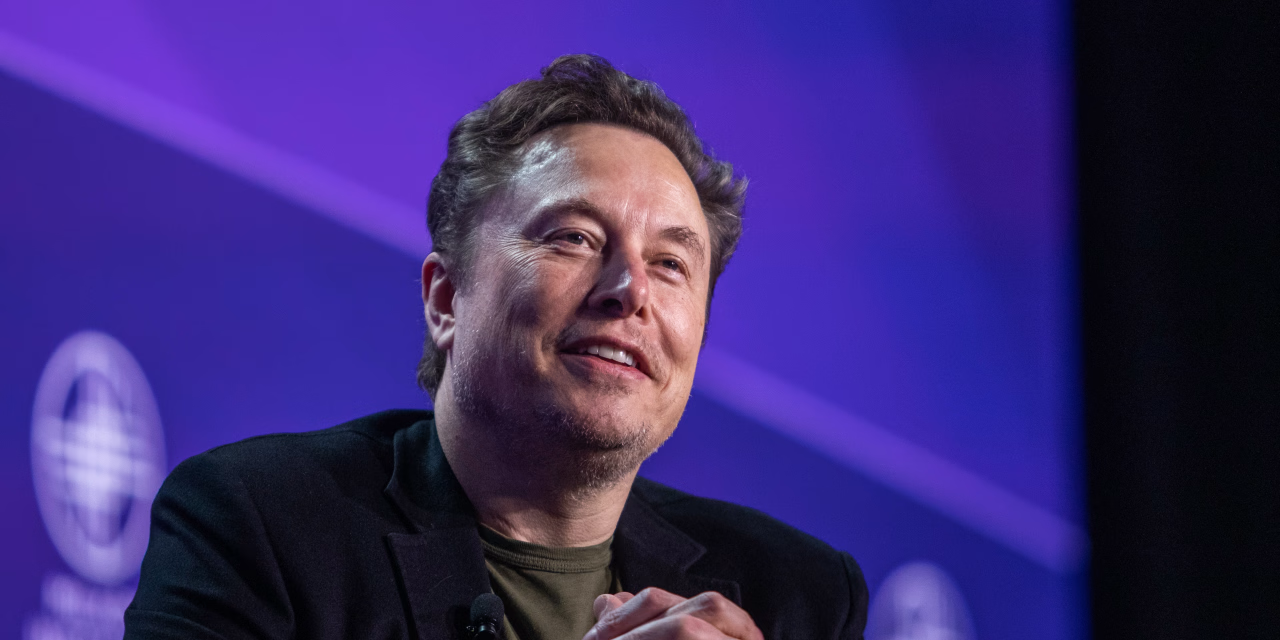
Elon Musk Wins Shareholder Approval for Record $1 Trillion Tesla Pay Plan

Elon Musk has secured shareholder approval for a record-breaking $1 trillion Tesla pay package, cementing his grip on the company as he pushes to transform the electric vehicle maker into a global leader in AI and robotics.

The plan received over 75% support during Tesla’s annual shareholder meeting in Austin, Texas, where Musk appeared on stage alongside dancing robots, calling the moment “a whole new book” in Tesla’s story.

The approved package could grant Musk up to $878 billion in stock over the next decade, contingent on ambitious performance milestones — including delivering 20 million vehicles, deploying 1 million robotaxis, and generating $400 billion in core profit. Tesla’s market value would need to climb from $1.5 trillion to $8.5 trillion for Musk to unlock the full payout.

The vote follows months of intense debate over Musk’s compensation and influence. The Tesla board warned that Musk could shift his focus to other ventures — such as SpaceX or his AI startup xAI — if shareholders rejected the plan.

“This isn’t just another chapter,” Musk said to cheering investors. “It’s the start of something entirely new.”

Critics, including Norway’s sovereign wealth fund and proxy advisory firms Glass Lewis and ISS, opposed the plan, citing governance concerns and the risk of excessive power consolidation. Yet supporters argued that tying compensation to Tesla’s market success aligns Musk’s incentives with shareholders’.

Shareholders also voted to invest in xAI, though analysts noted that many abstentions signaled caution over potential conflicts of interest.

The approval clears a major uncertainty clouding Tesla’s future and reinforces Musk’s position as both the visionary and lightning rod behind the company’s AI and robotics ambitions.
Amazon Unveils Smart Glasses and AI Tools to Boost Delivery Speed

Amazon has introduced new wearable technology and robotics aimed at accelerating delivery times and improving worker efficiency. At its “Delivering the Future” event in Seattle, the company showcased advanced eyeglasses for drivers, known internally as Amelia, which provide real-time navigation, package scanning, and photo capture for proof of delivery.

The smart glasses, equipped with a small display and controlled by a paired vest-mounted device, are designed to replace handheld GPS units. Amazon said the eyewear helps drivers stay focused and reduces time lost switching between devices — in some cases saving up to 30 minutes per shift. Hundreds of drivers have already tested the glasses, which will be distributed for free on an optional basis.

Amazon also unveiled Blue Jay, a new robotic arm that assists warehouse staff with picking and sorting tasks, and announced an artificial intelligence system for managing warehouse operations in real time. The company said these technologies will optimize “the last 100 yards” of delivery — the costliest part of logistics.

While Amazon’s automation drive is expected to streamline operations, reports indicate it could reduce U.S. hiring by 160,000 positions over two years. Shares of Amazon fell 1.8% on Wednesday to $217.95, marking a rare decline among major tech firms.

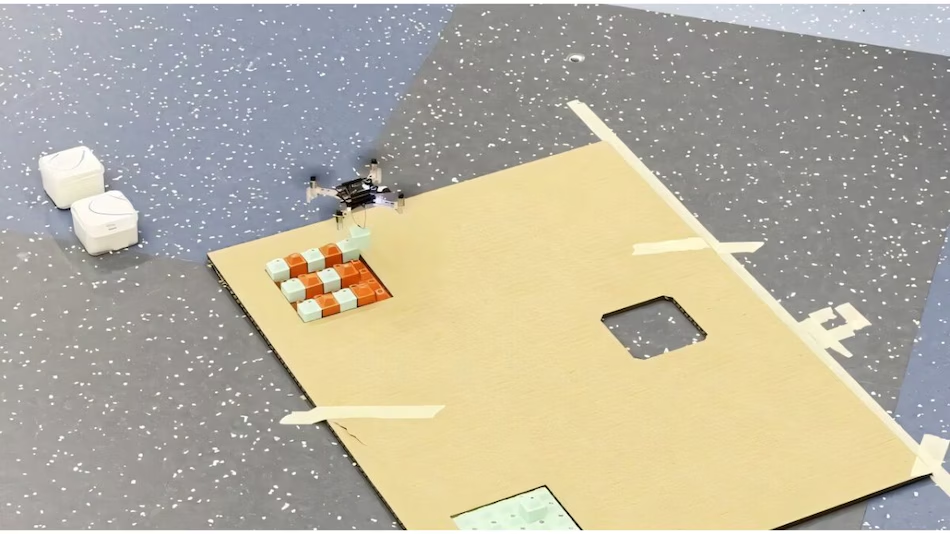
Carnegie Mellon Develops AI-Powered Drones Capable of Constructing Mid-Air Structures With High Accuracy

Engineers at Carnegie Mellon University have combined drones, artificial intelligence, and 3D printing to develop flying robots capable of constructing structures in mid-air. These AI-controlled drones use magnetized blocks instead of traditional extruded plastic, allowing them to assemble sturdy structures even while airborne. A large language model (LLM) translates simple instructions into construction plans and adjusts them in real time, achieving a 90 percent success rate in lab tests. Devamını Oku