Yazılar

AI-driven data centre boom boosts ABB’s U.S. sales and orders

Swiss engineering giant ABB reported a strong third quarter as surging investment in data centres across the United States drives demand for its industrial robots, electrification products, and power solutions.

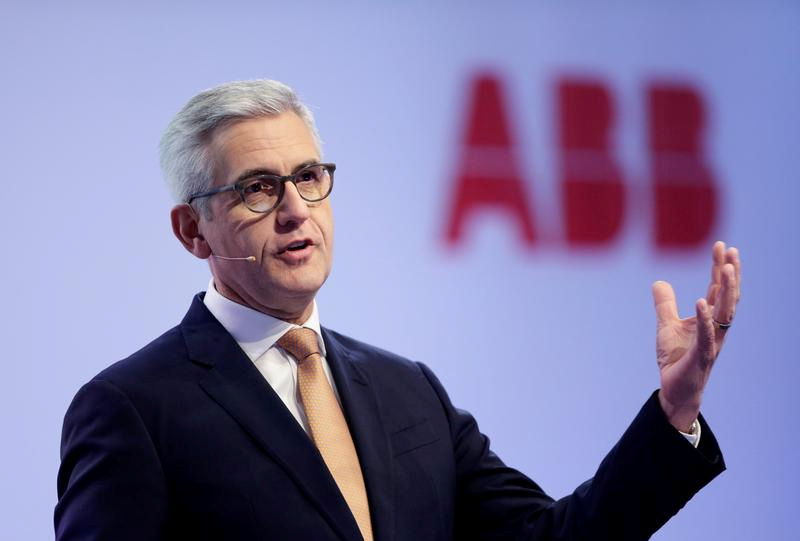
The company said new U.S. orders rose 27% in the third quarter, powered largely by the expansion of data centres needed to process artificial intelligence workloads. “It’s the normal standard business where there is strong demand,” said CEO Morten Wierod, noting the rise was not linked to U.S. import tariffs.

ABB generates about 7% of its revenue from data centres, up from 6% a year ago, and provides uninterruptible power supplies and electrification systems that keep critical servers online. Wierod said the AI boom is also driving broader electrification, forcing utilities and industrial sectors to increase investments.

Earlier this week, ABB announced a partnership with Nvidia to develop advanced infrastructure for next-generation data centres.

The company posted a 12% rise in operating EBITA to $1.74 billion, topping forecasts, while revenue grew 11% to $9.08 billion. Orders also climbed 12%. ABB’s shares initially rose 2.5% after the results before easing later in the session.

Chief Financial Officer Timo Ihamuotila, who will step down next year, said U.S. tariffs have had only a limited impact, costing “tens of millions” of dollars in profit, which the company has offset with price adjustments and efficiency gains. ABB currently manufactures about 75–80% of its U.S. products domestically, with plans to raise that to 90% through new factory investments.
Musk’s new Tesla pay deal could earn billions even without “Mars-shot” breakthroughs

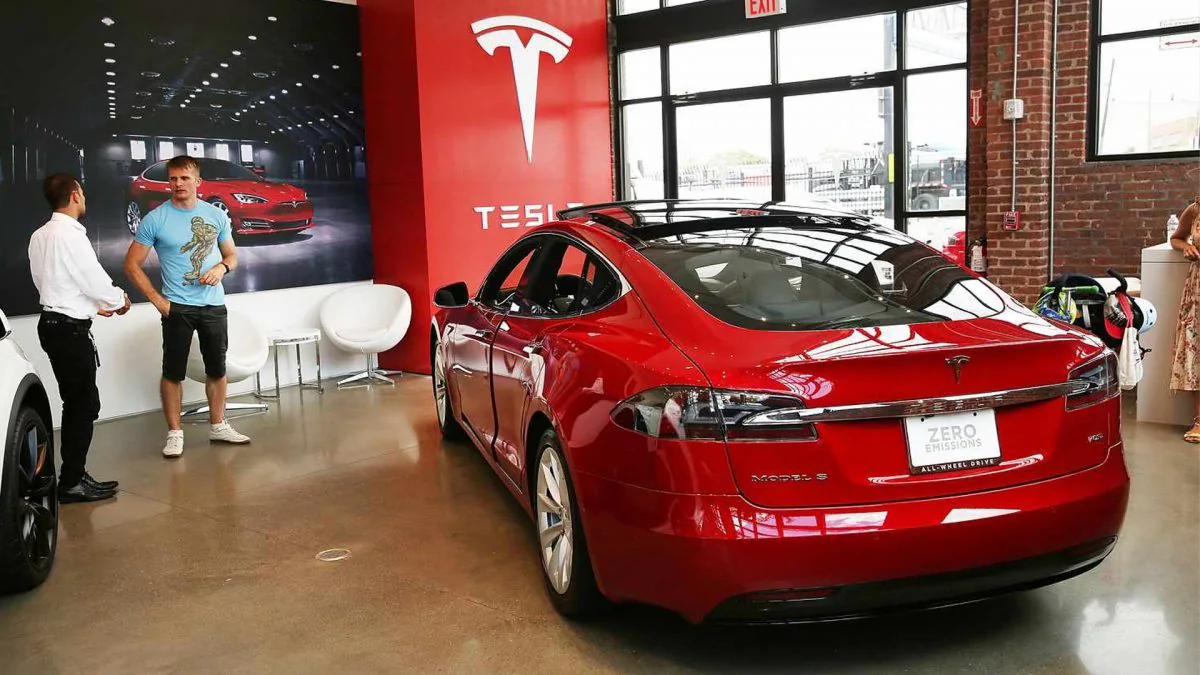
Elon Musk’s record-breaking $878 billion Tesla pay package, pitched as contingent on “Mars-shot” achievements, could still grant him tens of billions of dollars even if he misses the most ambitious goals, according to a Reuters analysis of the deal’s structure and expert evaluations.

When Tesla’s board approved the 10-year compensation plan in September, it told investors Musk would only earn shares by transforming Tesla and society through advances in AI, robotics, and autonomy. Yet performance experts say the plan’s vague definitions and lenient milestones could see Musk earning massive payouts without revolutionizing the company.

By achieving only a handful of easier targets—such as modest vehicle sales and incremental growth in Full Self-Driving (FSD) subscriptions—Musk could collect more than $50 billion in Tesla stock. Even two minor achievements, paired with a $2.5 trillion valuation, would grant him $26 billion, more than the lifetime pay of several top U.S. CEOs combined.

Critics argue that goals like selling 1.2 million cars annually or reaching 10 million FSD subscriptions are achievable without breakthroughs in autonomy or robotics. Experts also noted that definitions of “advanced driving system” and “robot” are so broad that Musk could qualify for payouts without delivering true self-driving or humanoid robots.

Tesla’s board insists the package is “worth zero unless value doubles,” yet corporate governance analysts warn that the structure grants Musk huge rewards with minimal accountability. The hardest targets—profit milestones up to $400 billion—may be out of reach, but Tesla’s market value could still reach $2–3 trillion over a decade with average stock growth.

Morningstar analyst Seth Goldstein said the company’s valuation already hinges on “future products that don’t exist today.” Whether Musk delivers them—or merely the promise—will decide if shareholders’ faith pays off.

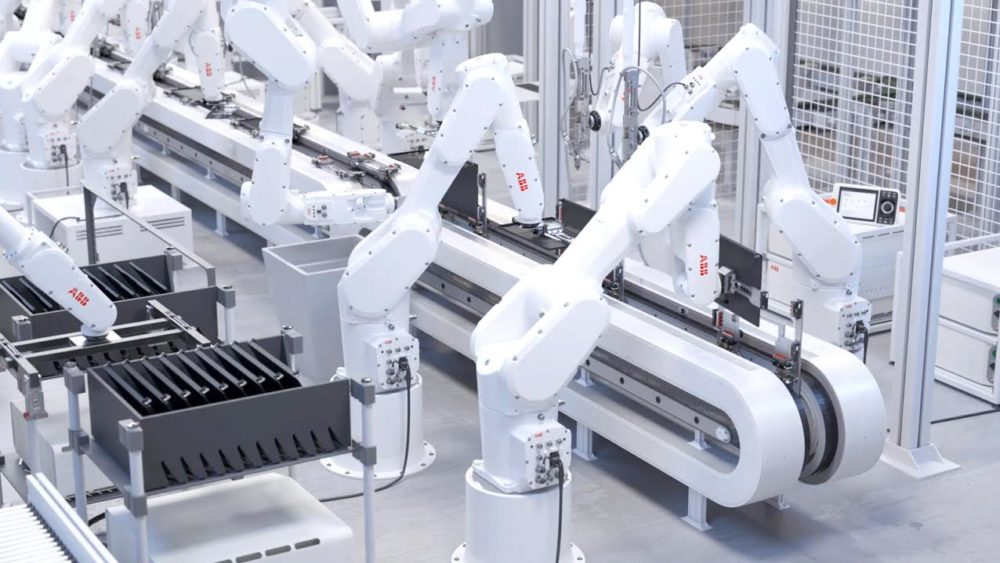
SoftBank to buy ABB’s robot unit for $5.4 billion in AI-robotics merger push

SoftBank Group has agreed to purchase the robotics division of ABB for $5.4 billion, marking a major step in CEO Masayoshi Son’s plan to unite artificial intelligence and robotics into what he calls “Physical AI.” The acquisition, announced Wednesday, gives the Japanese conglomerate control of one of the world’s leading industrial robotics makers as it deepens its bet on AI-driven automation.

The deal signals ABB’s decision to cancel its planned spin-off of the robotics unit, opting instead for a direct sale that delivers immediate liquidity. ABB CEO Morten Wierod said the sale provides stronger financial flexibility to invest in electrification, automation, and potential new acquisitions.

ABB’s robotics arm employs about 7,000 people and generated $2.3 billion in 2024 sales, roughly 7% of ABB’s total revenue. Despite its technological strength, the division struggled with volatile margins and limited overlap with ABB’s core business.

For SoftBank, the acquisition builds on a decade-long robotics journey that began with its humanoid Pepper robot and now extends into advanced factory automation. The company has recently invested in Berkshire Grey, AutoStore, and OpenAI, and earlier this year bought chip designer Ampere for $6.5 billion.

The transaction is expected to close by late 2026, subject to regulatory approvals. ABB shares rose 2% in Zurich after the announcement, while SoftBank’s stock slipped 2% in Tokyo trading.