Yazılar

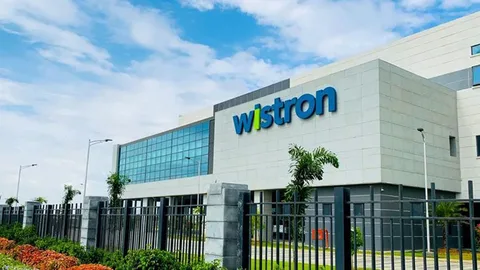
Taiwan’s Wistron Targets Up to $923 Million in Luxembourg Share Sale

Taiwanese electronics manufacturer Wistron Corp is aiming to raise up to $923 million through the sale of global depository shares (GDS), according to a term sheet reviewed by Reuters. The GDS will be listed in Luxembourg, and trading is scheduled to begin on June 16.

Wistron, a key supplier to Nvidia, plans to issue up to 250 million depository shares priced between $36.20 and $36.93 each. This pricing represents a 4% to 6% discount compared to Wistron’s closing stock price of NT$115 ($3.85) on Thursday.

The company has not issued a public statement regarding the offering as of now. According to the term sheet, proceeds from the share sale will primarily be used to purchase raw materials denominated in foreign currencies—reflecting Wistron’s strategy to better manage currency risks tied to its international supply chain operations.

Expanding U.S. Presence for AI and High-Performance Computing

Wistron’s fundraising comes as it expands its operations to meet surging demand in the high-performance computing and AI sectors. Last month, the company announced that its new U.S. manufacturing facilities—being prepared for customer Nvidia—are expected to be operational next year. The facilities will focus on producing AI-related hardware and high-performance computing products.

The move aligns with Nvidia’s rapid growth in AI-driven technologies, as well as a broader industry shift toward more diversified and localized manufacturing capabilities, particularly in response to global supply chain disruptions.

Additionally, Wistron disclosed that it is actively engaged in discussions with other potential customers to expand its client base in these rapidly growing technology sectors.

Strategic Capital Raising Amid Currency Volatility

By raising funds through the GDS offering in Luxembourg, Wistron is diversifying its capital sources while also mitigating currency fluctuation risks. The global nature of its customer and supplier relationships makes access to foreign currency-denominated funds increasingly critical.

The GDS structure also allows Wistron to tap into a broader pool of international investors, while enhancing its financial flexibility to support ongoing expansion efforts in both manufacturing capacity and technological innovation.

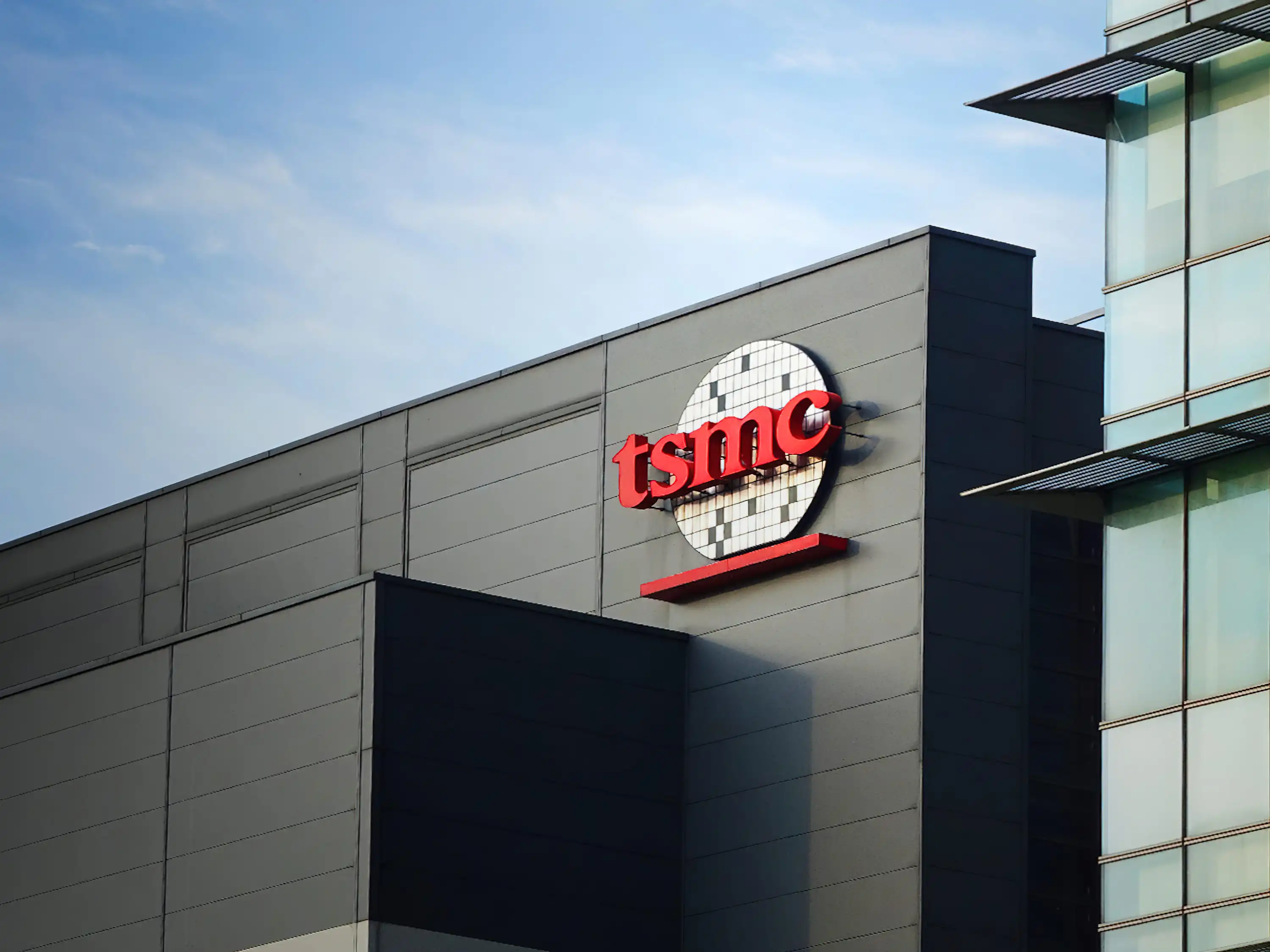
TSMC Reinforces Commitment to Taiwan with New Domestic Fab Amid Global Expansion

Taiwan Semiconductor Manufacturing Company (TSMC) reaffirmed its dedication to its home base with the opening of a new chip manufacturing facility in Kaohsiung, Taiwan. The factory, which will produce the company’s most advanced chips using 2nm technology, is expected to create 7,000 tech jobs on the island. This announcement comes amid concerns that TSMC’s significant investment in the United States could dilute its domestic presence.

TSMC’s executive vice president, Y.P. Chyn, made the remarks during a ceremony at the new fab, highlighting the company’s ongoing commitment to Taiwan even as it expands globally. The new facility is slated to begin volume production of 2nm wafers in the latter half of this year, according to the company’s schedule.

Despite its $100 billion investment plan in the U.S., TSMC and the Taiwanese government have both emphasized that a substantial portion of the company’s production will remain in Taiwan. TSMC, often called Taiwan’s “sacred mountain protecting the country,” plays a pivotal role in Taiwan’s economy, and the company’s officials reassured that Taiwan will continue to be at the heart of its operations.

While Taiwan’s Premier Cho Jung-tai expressed gratitude for TSMC’s assurances, noting that the company will always remain a “national team,” the company has also made clear that it intends to meet the growing demand of global customers, which has driven its expansion.

TSMC’s growing presence in the U.S. follows pressure from U.S. President Donald Trump, who has repeatedly criticized Taiwan’s semiconductor dominance and called for more manufacturing to return to the U.S. The concerns over potential tariff impositions highlight the delicate balance TSMC must strike as it manages its global footprint while maintaining its critical role in Taiwan’s economy.

Taiwan Investigates SMIC for Alleged Illegal Recruitment of Tech Workers

Taiwanese authorities are investigating whether China’s top semiconductor manufacturer, SMIC (Semiconductor Manufacturing International Corporation), has been involved in illegally luring Taiwanese tech workers. According to Taiwan’s Justice Ministry’s investigation bureau, SMIC is suspected of using a shell company posing as a Samoan firm to recruit engineers on the island, specifically targeting the semiconductor talent in Hsinchu County, home to Taiwan’s semiconductor industry hub and TSMC (Taiwan Semiconductor Manufacturing Company).

The investigation is part of Taiwan’s broader effort to combat illegal activities aimed at stealing know-how and attracting talent from its advanced technology sector. Taiwan has long been a global leader in semiconductor manufacturing, making its high-tech workforce a prime target for Chinese firms, especially amid growing geopolitical tensions and U.S. export restrictions on China’s semiconductor industry.

Taiwan’s investigation has been extensive, with 180 agents conducting raids at 11 companies suspected of engaging in talent poaching. The authorities have already questioned 90 people and seized evidence from 34 premises. Since 2020, more than 100 such cases have been investigated.

SMIC, which has been increasing its efforts to expand its production capacity and counter U.S. sanctions, has not yet responded to requests for comment regarding the allegations.