Yazılar

China to Lead in Chipmaking Investment in 2025, SEMI Reports

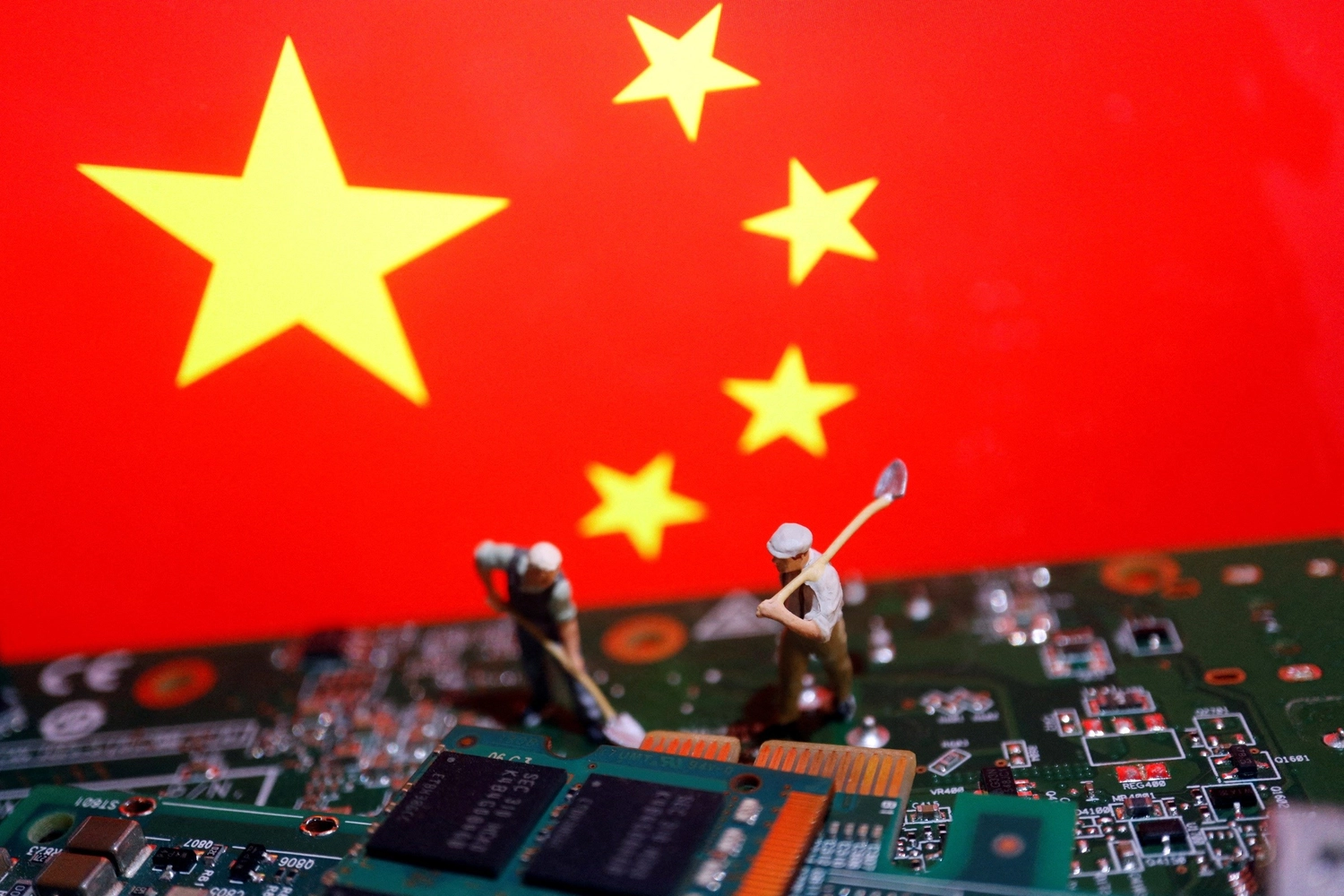
China is set to continue its dominance in global chipmaking investments in 2025, despite a notable year-over-year decline, according to a report from industry group SEMI. The country is expected to outpace all other regions in spending on new computer chipmaking equipment, followed by Taiwan and Korea.

Global Investment Growth

SEMI’s forecast for global fabrication plant investments shows a 2% increase in 2025, reaching $110 billion. This marks the sixth consecutive year of growth, driven largely by the demand for tools needed to produce chips for artificial intelligence (AI). SEMI predicts that the AI boom will have an even stronger impact on the industry in 2026, with an expected investment growth of 18%.

China’s Strategic Push and Decline in Investment

China has been the largest consumer of chips for years, and its chipmaking sector saw a massive push starting in mid-2023. With government support, China has accelerated efforts to reduce its dependence on imported chips, particularly in response to U.S. restrictions. Despite this surge, SEMI forecasts that China’s chipmaking spending will drop by 24% in 2025, falling to $38 billion from $50 billion in 2024. However, this still keeps China ahead of other major chip-producing countries like Korea, where SK Hynix and Samsung are expanding memory chip production, with investments projected at $21.5 billion.

Spending in Other Key Regions

Taiwan, home to TSMC, a major foundry for AI chips, is projected to spend $21 billion on chipmaking equipment in 2025. In comparison, spending in Korea will be significant, but not as high as China’s, with $21.5 billion expected. The Americas and Japan are each expected to invest $14 billion, while Europe’s investment is projected at $9 billion.

Key Players in the Equipment Market

The top players in the chip equipment market include ASML, Applied Materials, KLA, LAM Research, and Tokyo Electron. ASML, the largest chip equipment manufacturer, anticipates sales of €32-38 billion in 2025, maintaining a dominant market share in the lithography sector. Chinese equipment makers, such as Naura, AMEC, and SiCarrier (affiliated with Huawei), are also gaining traction in the market.

TSMC CEO Highlights U.S. Investment Driven by Strong Customer Demand

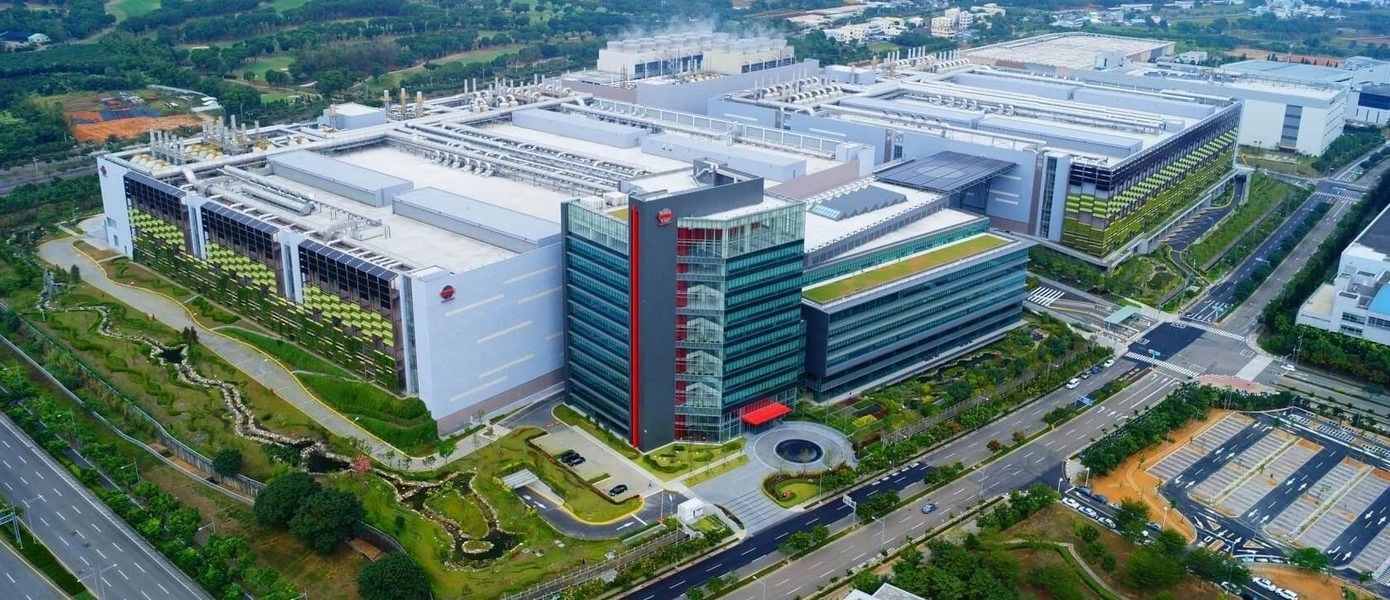
Taiwanese semiconductor giant TSMC (2330.TW) announced that its increased investment in the United States is primarily driven by strong customer demand, with production lines already fully booked for this year and the next two years. CEO C.C. Wei revealed the company’s expansion plans during a press conference at Taiwan’s presidential office on Thursday. Wei emphasized that TSMC’s $100 billion investment plan, unveiled this week, would not affect its ongoing expansion efforts in Taiwan, despite concerns that overseas investments might harm the island’s semiconductor industry.

TSMC, the world’s largest contract chipmaker, plans to construct five additional chip facilities abroad, including in the U.S., Japan, and Germany. This expansion comes in response to demands from major U.S. clients like Apple, Nvidia, and Qualcomm. While TSMC is planning three new production lines in the U.S. over the coming years, it is also set to build 11 new production lines in Taiwan this year, a sign that Taiwan remains crucial to the company’s global operations.

Wei’s comments follow ongoing pressure from former U.S. President Donald Trump, who has criticized Taiwan for taking U.S. semiconductor business and has advocated for bringing semiconductor manufacturing back to U.S. soil. Taiwan President Lai Ching-te assured that Taiwan has not faced external pressure from the U.S. during TSMC’s investment decisions and pledged government support for the company’s domestic expansion.

While Taiwan maintains its dominance in the global semiconductor industry, concerns about over-reliance on the island, particularly amid rising tensions with China, have prompted discussions about diversifying production sites. TSMC’s expansion into the U.S. is seen as a potential solution to address supply chain risks for American technology companies.

Despite these developments, Trump recently called for the repeal of the 2022 bipartisan law that provides $52.7 billion in U.S. subsidies for semiconductor manufacturing, suggesting the funds should instead be used to pay off national debt.

Foxconn Open to Buying Stake in Nissan for Potential Cooperation

Foxconn (2317.TW), Taiwan’s leading electronics manufacturer, has expressed interest in purchasing a stake in Nissan (7201.T), but emphasized that its primary goal is to collaborate rather than invest in the automaker. Chairman Young Liu stated on Wednesday that Foxconn would consider buying shares if cooperation with Nissan required it, but reiterated that acquiring shares was not their main focus.

Foxconn is in discussions with Renault (RENA.PA), Nissan’s largest shareholder, about potential collaboration. These comments come amid uncertainty surrounding Nissan’s future after it stepped away from merger talks with rival Honda (7267.T), which would have created the world’s fourth-largest automaker.

Sources have indicated that Nissan and Honda, who had been exploring a merger, are expected to announce the end of their talks on Thursday due to growing differences between the two companies. This deal would have been a significant shift in an automotive industry facing mounting pressure from electric vehicle (EV) manufacturers, particularly China’s BYD (002594.SZ).

In light of the changing landscape, Nissan is reportedly open to partnerships with new players, including Foxconn, which is best known for its role as Apple’s primary iPhone manufacturer. While Foxconn seeks to diversify its business, it is not looking to establish itself as an automotive brand. Instead, it intends to offer commissioned design and manufacturing services for electric vehicles.

Neither Nissan nor Renault has commented on Foxconn’s chairman’s statements regarding potential collaboration.