Yazılar

Samsung, LG May Move Some Home-Appliance Manufacturing from Mexico to the U.S.

South Korea’s leading electronics giants, Samsung Electronics and LG Electronics, are reportedly evaluating the possibility of shifting some of their home appliance production from Mexico to the United States. This move is in response to potential new tariffs on imports from Canada and Mexico, following U.S. President Donald Trump’s recent statement about considering a 25% duty on these imports starting February 1.

Key Points:

  • Manufacturing Shift: Samsung is considering relocating the production of dryers from its Mexican plant to its facility in South Carolina. Similarly, LG is contemplating moving refrigerator production from Mexico to its factory in Tennessee, which already manufactures washing machines and dryers.
  • Tariff Concerns: The review of manufacturing sites is being driven by President Trump’s threat of imposing tariffs on imports from Canada and Mexico, which could impact the companies’ operations.
  • Company Responses: Samsung stated it plans to monitor the situation and remain flexible in its response, given its global network of production bases. LG confirmed it is prepared to adjust its production system and sites in response to market changes.
  • Production Base Adjustments: Both companies have global operations, and their ability to adjust production locations and strategies will help them mitigate potential disruptions caused by the looming tariffs.

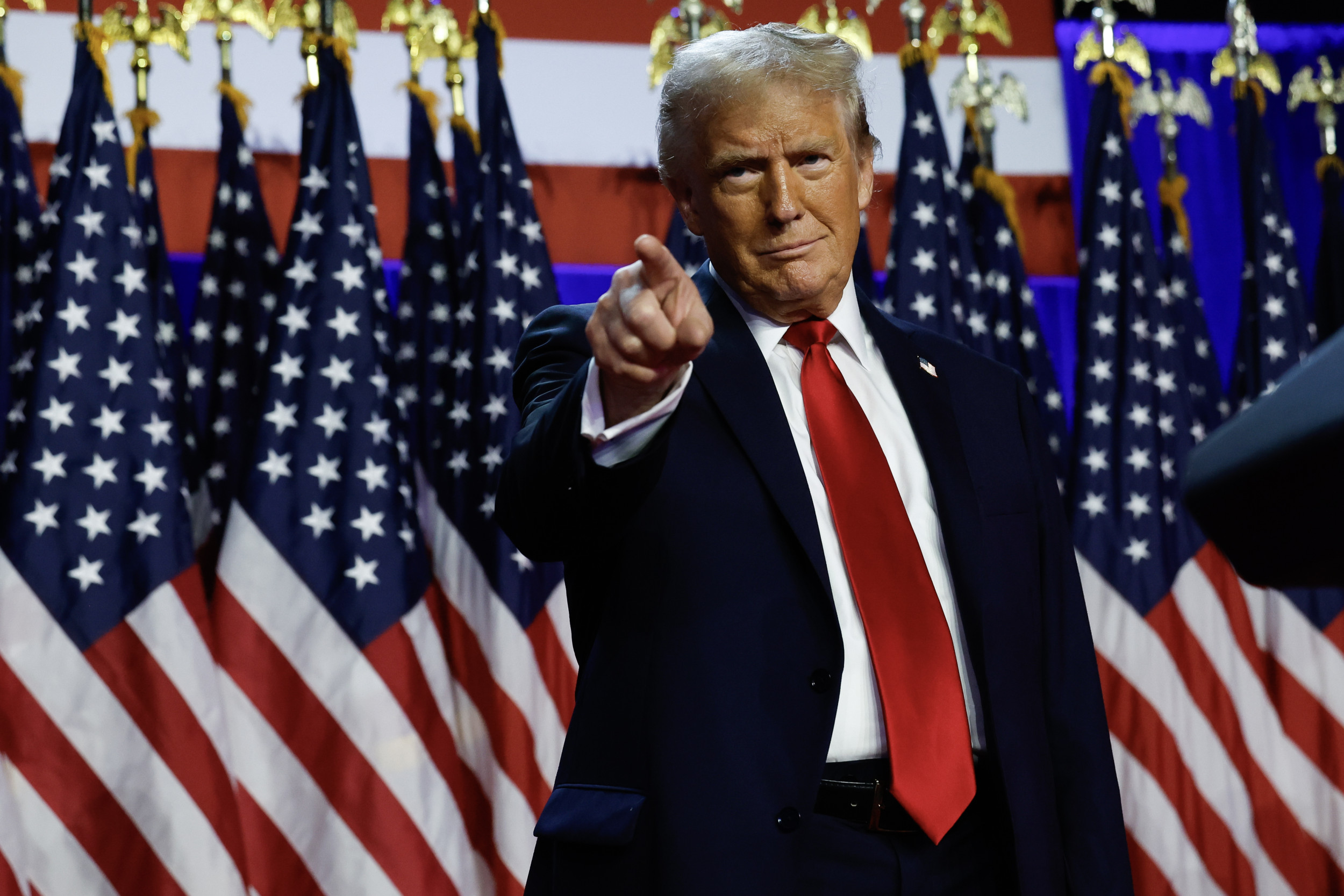
Taiwan’s Compal and Inventec Explore U.S. Expansion in Response to Trump Tariffs

Taiwanese electronics manufacturers Compal and Inventec are considering expanding their operations into the United States, with Texas emerging as a potential hub. The move comes in response to President-elect Donald Trump’s threats to impose significant tariffs on global imports, including a potential 25% tariff on Mexican goods, which has raised concerns among Taiwanese companies reliant on North American markets.

Key Points of the Expansion:

  • U.S. Expansion Strategy: Both Compal and Inventec are evaluating the U.S. as a location for investment, with Texas being a prime candidate due to its power infrastructure, proximity to Mexico, and business-friendly environment.
  • Impact of Tariffs: Trump’s proposed 10% tariffs on global imports, along with a 25% tariff on Mexican goods, have prompted Taiwanese firms to consider relocating or diversifying their production to mitigate cost increases and potential trade disruptions.
  • Compal’s Considerations: Compal’s CEO, Anthony Peter Bonadero, mentioned that Texas is a strong contender due to the state’s growing infrastructure, including Samsung’s investment in the area and its unique power grid system.
  • Inventec’s Response: Inventec, which manufactures AI servers using Nvidia chips, is also evaluating U.S. locations, particularly Texas, in anticipation of potential tariff changes. The company is awaiting clarity on the specific decisions Trump will make once in office.
  • Broader Trend Among Taiwanese Companies: Other Taiwanese companies like Wistron have already begun shifting production outside China to countries like Mexico, Vietnam, and the U.S. to safeguard their supply chains against tariffs and trade uncertainty.

US Firms in Europe Fear Economic Tensions Amid Trump’s Return

A recent survey by the American Chamber of Commerce to the European Union (AmCham EU) reveals significant concerns among U.S. companies operating in Europe about the future of transatlantic economic relations. The anticipated policies of incoming U.S. President Donald Trump, particularly tariffs, have fueled fears of strained ties.

Key Findings from the Survey

The survey, conducted between January 6 and 14 among 58 U.S.-controlled AmCham EU members, highlights:

  • Economic Relations Outlook:
    • 90% of respondents believe U.S.-EU economic relations will deteriorate in the coming years.
    • 67% expect U.S. policies under Trump to harm their European operations.
    • 52% foresee negative impacts from European Union policies as well.
  • Top Concerns for Transatlantic Cooperation:
    • 84% ranked tariffs and trade policy as the primary issue.
    • Other priorities include supply-chain resilience and the energy transition.

Europe’s Strategic Importance

Despite the concerns, a vast majority of respondents emphasized the critical role of Europe in their operations. Companies expressed a strong desire for the U.S. and EU to work together to:

  • Reduce regulatory burdens.
  • Lower trade barriers.
  • Enhance regulatory cooperation.

Environmental Commitments

Notably, 75% of surveyed firms are “very” or “extremely” supportive of the Paris climate agreement, contrasting with Trump’s expected withdrawal from the accord. Only 2% of respondents were unsupportive of the climate agreement, underscoring widespread corporate commitment to sustainability goals.

Implications for Business

The survey results underscore growing unease among U.S. firms in Europe over potential shifts in trade and climate policies under the Trump administration. The findings highlight the need for diplomatic and economic collaboration to address key concerns such as trade policy, supply chain stability, and environmental challenges.