Yazılar

Mexico Implements New Tariffs, E-commerce Giants Like Shein and Temu Could Be Affected

Mexico’s tax authority, SAT, introduced new tariffs on Tuesday aimed at strengthening the surveillance of goods imported from Asia. This move may significantly impact popular online retailers like Shein and Temu, as both companies are based in China, which does not have an international treaty with Mexico.

Under the new regulations, goods entering Mexico through courier companies from countries without such treaties will be subject to a 19% duty. Goods entering from Canada and the U.S., which are part of the United States-Mexico-Canada Agreement (USMCA), will face a 17% duty if their value exceeds $50 but is under $117. Additionally, goods valued over $1 from countries with international treaties with Mexico will also be charged a 19% duty.

The SAT stated that the new tariffs were designed to combat “abusive practices” and that goods previously exempt from duties will now be taxed. These changes, effective from January 1, align with broader tax reforms targeting e-commerce. On December 19, President Claudia Sheinbaum’s administration announced a decree imposing import duties of up to 35% on various goods, including clothing and home products, to curb tax evasion and ensure fair competition for local businesses.

This decision could disrupt Mexico’s IMMEX program, which allows foreign companies to import goods tax-free for U.S. market sales. E-commerce giants Shein and Temu, in particular, could face challenges due to the higher tariffs, as they compete with established U.S. retailers such as Walmart and Amazon.
 

Tariff Concerns Overshadow Tech and Auto Innovation at CES 2025

As CES 2025, one of the largest tech and auto trade shows, prepares to open in Las Vegas from January 7 to 10, an unusual topic is dominating discussions: tariffs. With President-elect Donald Trump’s inauguration days away and his proposed tariffs on imports from countries like Canada, Mexico, and China looming large, attendees are bracing for tough questions about potential economic fallout.

The trade show, known for unveiling cutting-edge automotive technology, quirky gadgets, and advancements in artificial intelligence (AI), is now becoming a platform to address the cost challenges posed by tariff threats. Strategy consultant Deborah Weinswig, CEO of Coresight Research, noted that the issue has surfaced in nearly every pre-CES conversation with clients.

Tariffs and Supply Chains in the Spotlight

Companies showcasing their latest innovations are likely to face scrutiny over their supply chains and manufacturing processes. Analysts predict questions about whether businesses are considering moving production to the U.S. to mitigate tariff impacts—an expensive and time-intensive solution.

For instance, Honda, which sends 80% of its Mexican vehicle output to the U.S., has already warned it may need to shift production if permanent tariffs are imposed. According to Edmunds, nearly half of new cars sold in the U.S. are made abroad, along with a substantial share of parts in domestically assembled vehicles. S&P Global estimates that European and American automakers could lose up to 17% of their combined annual core profits if tariffs are levied on imports from Europe, Mexico, and Canada.

Economic Strain on the Auto Industry

In addition to tariff concerns, the auto industry faces challenges from weaker-than-expected demand for electric vehicles (EVs). Trump’s plans to roll back policies promoting EV adoption further compound the difficulties. Felix Stellmaszek, an automotive expert at Boston Consulting Group, emphasized the precarious position of suppliers operating on razor-thin margins. The combination of tariffs, supply-chain uncertainties, and labor shortages has pushed companies into “hyper mode” for scenario planning.

Focus on Tech and AI Innovations

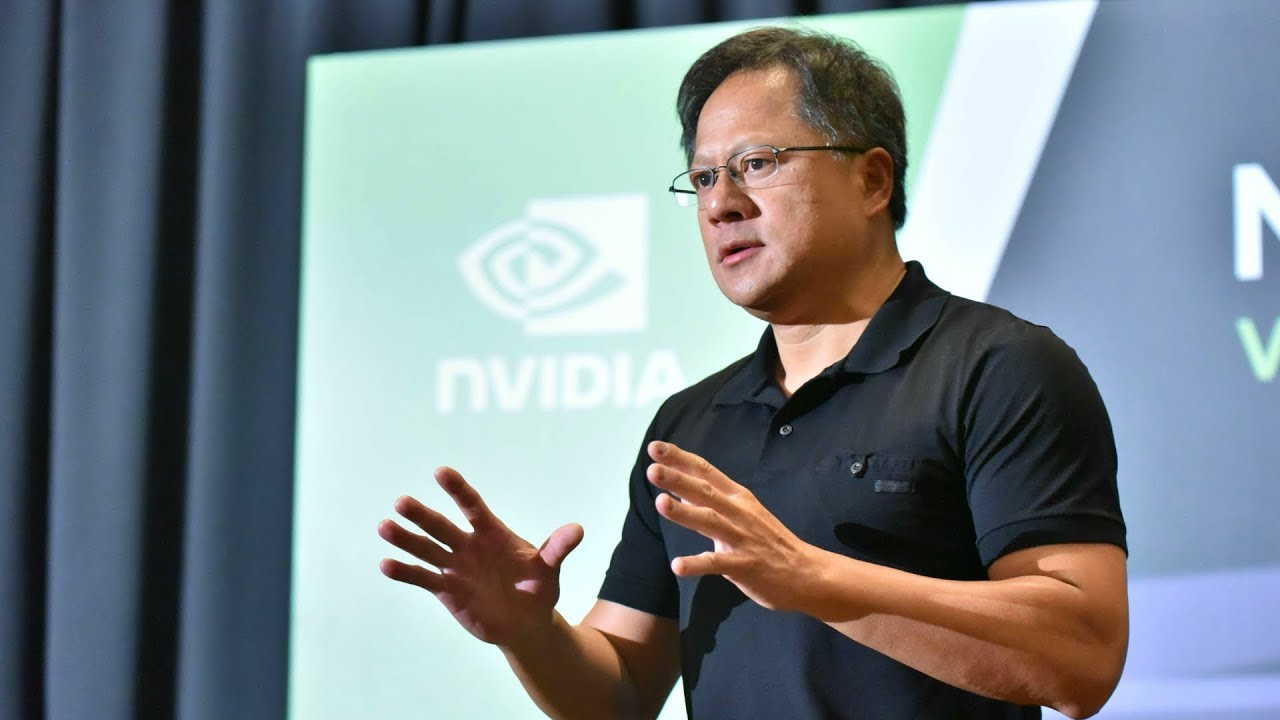
Despite economic uncertainties, CES 2025 remains a showcase for advancements in AI, self-driving technology, and software-driven automotive enhancements. Keynote speakers, including Nvidia CEO Jensen Huang and Volvo Group CEO Martin Lundstedt, are expected to unveil innovations that aim to make vehicles smarter, safer, and more efficient.

However, discussions surrounding tariffs are expected to dominate policy sessions, press conferences, and informal talks. Industry leaders such as Toyota, Bosch, and Continental are also expected to provide updates on how they are adapting to rising costs and preparing for potential policy shifts.

A Complex Outlook

The intersection of technology and economic policy is shaping CES 2025 in unprecedented ways. Questions remain about how companies can collaborate across supply chains, mitigate rising costs, and leverage technology to navigate uncertainty. “There’s still so much that’s unknown,” Weinswig remarked. “Everyone is trying to figure out every possible scenario.”

China, Trump Signal Cautious Optimism for Renewed US-China Cooperation Amid Tough Rhetoric

China’s top diplomat, Foreign Minister Wang Yi, expressed hope on Tuesday that the incoming Trump administration would collaborate with Beijing “in a mutually beneficial manner” despite ongoing tensions. Wang’s comments came hours after Donald Trump remarked that the COVID-19 pandemic had strained his relationship with Chinese President Xi Jinping, whom he once considered a “friend.”

“We hope the new U.S. administration will make the right choice and work with China to remove disruptions and overcome obstacles,” Wang stated during a forum in Beijing, according to his ministry’s statement.

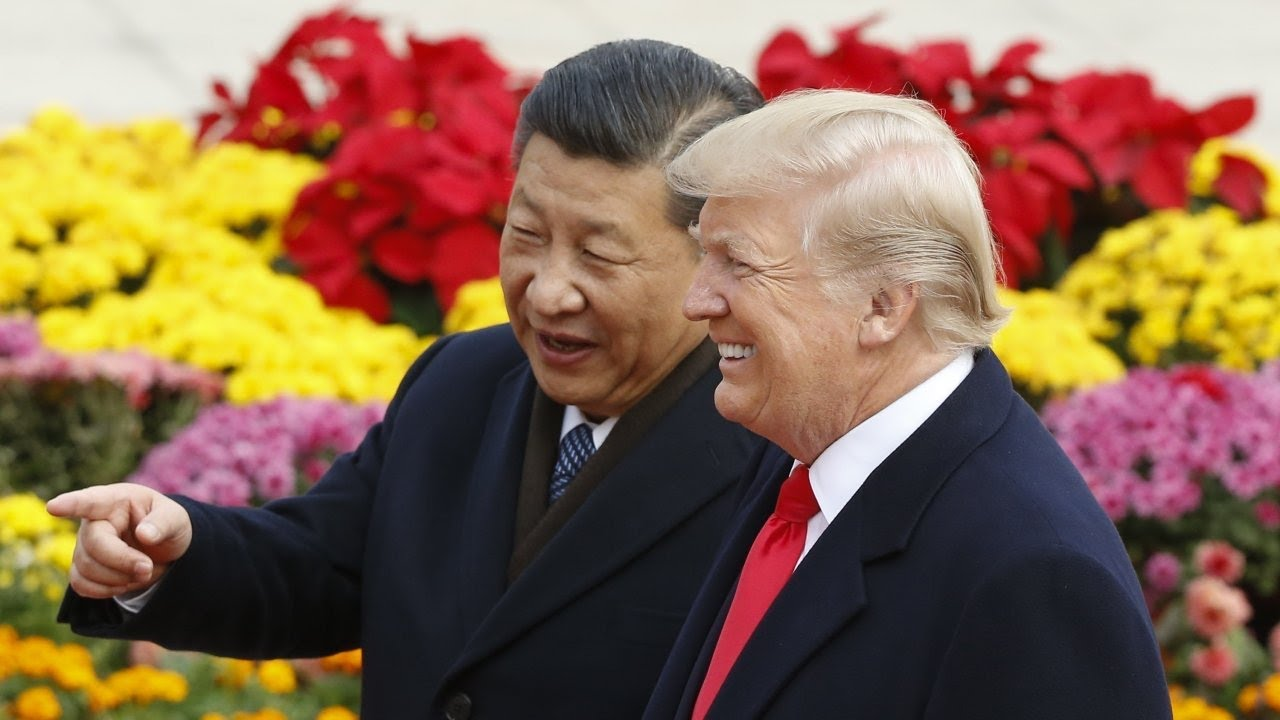
Trump, addressing reporters at his Mar-a-Lago resort, reflected on his past relations with Xi, acknowledging the pandemic as a breaking point. “We had a very good relationship until COVID,” Trump said. “COVID didn’t end the relationship, but it was a bridge too far for me.” Trump avoided confirming whether Xi would attend his inauguration but emphasized the importance of U.S.-China ties: “China and the United States can together solve all of the problems of the world.”

Trump’s Second Term Agenda and Beijing’s Strategy

Trump has signaled a more confrontational stance toward China as he prepares for his second term. His campaign promises include imposing a 10% tariff on Chinese goods and additional levies exceeding 60% to pressure China on issues like stopping fentanyl exports to the U.S. Trump has also pledged to revoke China’s most-favored-nation trade status—a move that could reshape bilateral trade dynamics.

In response, analysts suggest China is preparing to amass bargaining chips to engage with Trump’s administration on contentious issues such as trade, technology, and investment. Beijing has shown readiness to push back, with Wang Yi emphasizing China’s firm stance: “We firmly oppose the illegal and unreasonable suppression of China by the U.S., particularly on matters like Taiwan.”

Sanctions and Hard-Line Appointments

The diplomatic environment remains volatile as Trump’s choice of China hawks for key positions signals an aggressive approach. Republican Senator Marco Rubio, Trump’s nominee for Secretary of State, remains under Chinese sanctions imposed in 2020. Rubio’s prior criticism of Beijing raises questions about how his role would affect bilateral engagement.

China’s move to quietly remove a January 2021 statement sanctioning 28 Trump administration officials from its foreign ministry website has further fueled speculation. When asked about this development, Chinese Foreign Ministry spokesperson Lin Jian declined to comment, stating he had “no information to offer.”

Mutual Posturing, Cautious Optimism

Despite the confrontational rhetoric, both sides have hinted at opportunities for collaboration. Trump’s remarks acknowledged the global importance of U.S.-China cooperation, while China continues to position itself for negotiations that balance engagement with resistance to U.S. policies it deems provocative.

As Trump prepares for a second term, Beijing appears both prepared to push back against hard-line policies and cautiously optimistic about finding common ground to stabilize bilateral relations.