Yazılar

EU-China Electric Vehicle Dispute Highlights Complex Diplomacy, Averts Trade Escalation

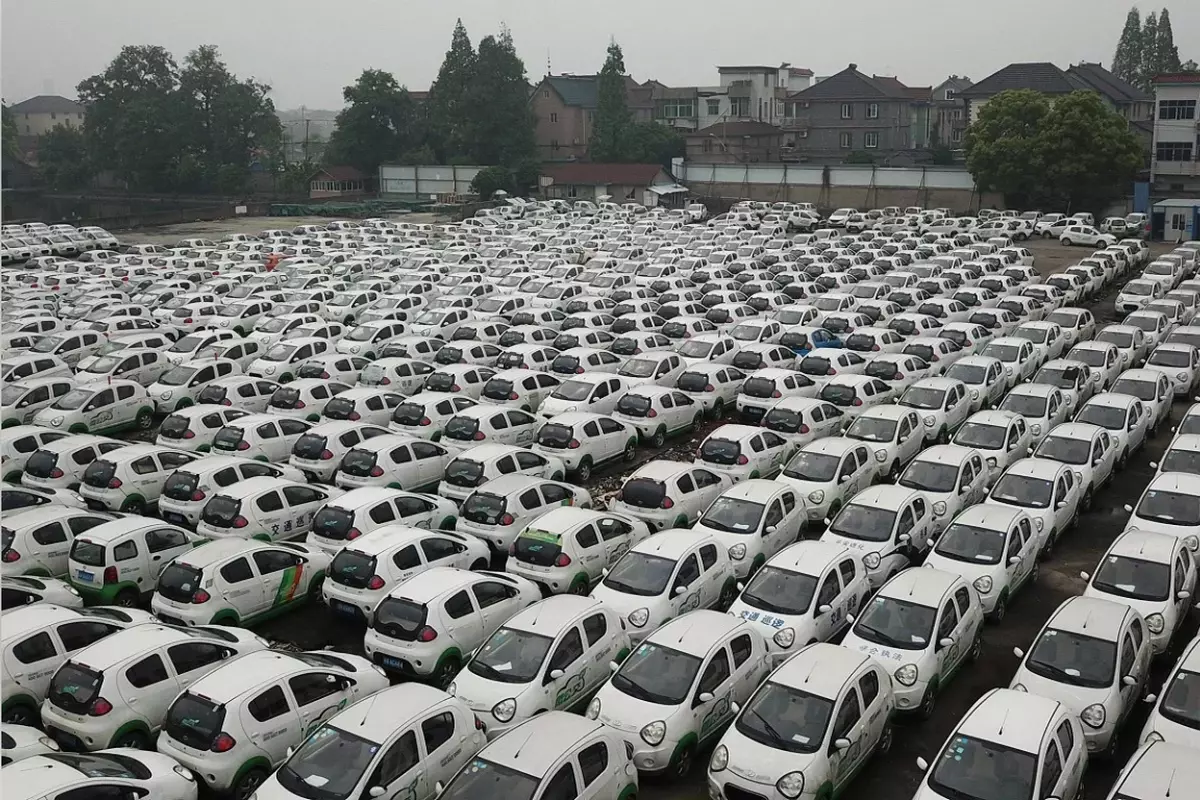
As the EU and China navigate their ongoing dispute over electric vehicle (EV) tariffs, both parties are attempting to prevent a full-scale trade conflict. The European Union recently imposed tariffs as high as 45.3% on Chinese EV imports, alleging that Chinese subsidies have unfairly supported its auto industry. In response, China has placed restrictions on certain European goods, including pork, dairy, and brandy. Despite these tensions, EU member states are using the dispute as a diplomatic tool, aiming to strengthen their individual trade relationships with China even as multilateral talks encounter obstacles.

European leaders and trade officials continue to visit China, underscoring the importance of constructive engagement. French and Finnish officials, among others, have recently met with Chinese counterparts, seeking ways to bolster commercial ties while avoiding further trade fallout. Notably, France, a significant player in the dispute, has maintained its commitment to expanding trade with China, as evidenced by its “Country of Honour” designation at China’s annual import expo this year. This approach reflects a broader EU strategy of selective engagement, balancing economic pragmatism with a cautious stance on trade protection.

This diplomatic approach is particularly important given the internal divisions within the EU. When the tariff measures were up for a vote, EU member states were split: 10 voted in favor, 5 against, and 12 abstained. Germany, Europe’s largest economy, notably opposed the tariffs, which has sparked a debate on how to best manage the economic risks posed by Chinese imports. Some EU nations hope to secure additional Chinese investment in their domestic industries, viewing a softer stance as a pathway to minimize Chinese retaliation. This sentiment is echoed in recent actions by leaders from countries such as Slovakia and Finland, who have actively pursued trade agreements with China.

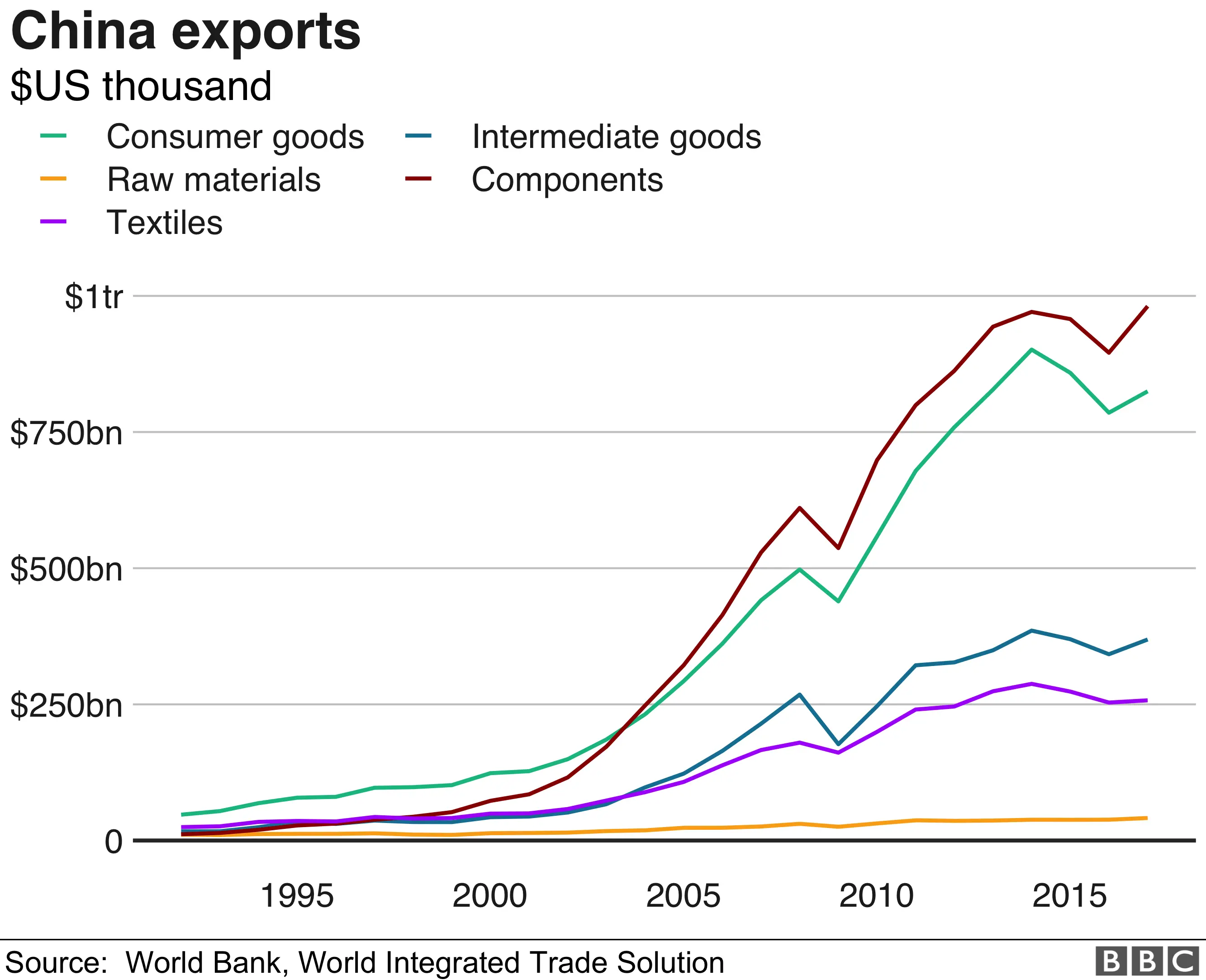
For China, managing the dispute carefully is essential, particularly as its economy faces deflationary pressures and the need to expand its EV exports. Analysts point out that China’s response, while calculated, has been limited to tariffs on specific European products. This measured reaction suggests Beijing’s focus on controlling the situation to avoid broader economic strain. The dispute has also led both parties to seek arbitration through the World Trade Organization (WTO), though such a process could take years to resolve fully.

Analysts suggest a potential path forward: a compromise on minimum import prices, which would retain some level of tariffs but reduce their severity. This outcome could provide a diplomatic solution that preserves both European and Chinese interests without escalating the conflict. Bo Zhengyuan, an expert from consultancy Plenum, noted that adjusting the tariff rates rather than removing them entirely may be the most realistic resolution in the near term.

Despite the ongoing EV dispute, the EU and China have strong incentives to maintain stable trade relations. European officials are aware that a deeper rift could hinder access to critical materials needed for the green energy transition, and Chinese leaders are cautious about further economic setbacks. Ultimately, the current situation reflects a broader trend: both sides are attempting to “muddle through” the complexities of trade policy while keeping tensions in check.
 

Trump Accuses Taiwan of Undermining U.S. Chip Industry: Election Impacts on Semiconductor Sector

In a recent appearance on the Joe Rogan Experience podcast, former President Donald Trump criticized Taiwan, accusing it of “stealing” the U.S. semiconductor business. Trump argued that Taiwan has leveraged its chip production dominance unfairly, targeting Taiwan Semiconductor Manufacturing Company (TSMC), the world’s leading chipmaker and a crucial supplier for companies like Nvidia and Apple. Trump’s remarks come amid heightened geopolitical tensions with China, which regards Taiwan as part of its territory and has increased military activities around the island.

Shares of TSMC dropped by 4.3% following Trump’s comments and renewed his stance on imposing tariffs on Taiwanese chip imports if elected. Analysts warn that tariffs could significantly impact TSMC and the U.S. tech industry’s reliance on Taiwanese chip production.

Impact on the Semiconductor Supply Chain

Taiwan manufactures over 90% of advanced semiconductors, with tech giants like Amazon, Google, and Microsoft sourcing chips from TSMC. Despite U.S. efforts to bolster its own semiconductor infrastructure through the CHIPS Act, which allocates funding to domestic production, alternatives to TSMC’s advanced production capacity remain limited. U.S.-based Intel has faced delays and competition challenges, although its new U.S. foundries are expected to benefit from CHIPS Act funding.

The Biden administration has directed nearly $7 billion from the U.S. Commerce Department toward TSMC’s Arizona facility, expected to start volume production by 2025. However, Trump’s comments on foreign companies potentially misusing U.S. funds reflect concerns over U.S. reliance on Taiwan’s chip output.

Tariff and Trade War Implications

Trump’s proposal for tariffs on Taiwanese chips could create cost increases across the chip supply chain. Citi analysts estimate that implementing tariffs would require complex audits, given the variety of chips across thousands of devices. Historically, similar tariffs led to increased costs and broader trade tensions, which, according to Moor Insights & Strategy CEO Patrick Moorhead, could elicit retaliatory tariffs from China. A new trade war might strain U.S.-China relations and further restrict companies like Micron, which already face barriers in the Chinese market.

Despite Trump’s stance, experts warn that even a victory by Vice President Kamala Harris would not exempt the industry from trade restrictions. Under the Biden administration, stringent export controls on semiconductor sales to China were implemented, particularly affecting Nvidia, whose revenue from China plummeted after controls reduced its China sales share from 25% to under 10%.

Outlook for U.S. Semiconductor Strategy

Trump’s criticisms reflect broader calls for self-reliance within the semiconductor sector, mirroring concerns over U.S. vulnerability due to Taiwan’s dominance in chip manufacturing. Proposals to further support domestic companies like Intel, Texas Instruments, and Global Foundries align with Trump’s America-first trade strategy, which could prioritize U.S. fabs and incentivize domestic chip production if he is re-elected.

U.S. tech markets remain volatile amid these policy uncertainties. Following Trump’s comments, semiconductor stocks reacted, with TSMC declining and U.S.-based chipmakers showing gains on the prospect of potential government backing. However, tariffs and trade restrictions could have sweeping consequences, potentially leading to higher costs and supply chain disruptions for the global tech sector.

China’s Exporters Brace for U.S. Election Impact

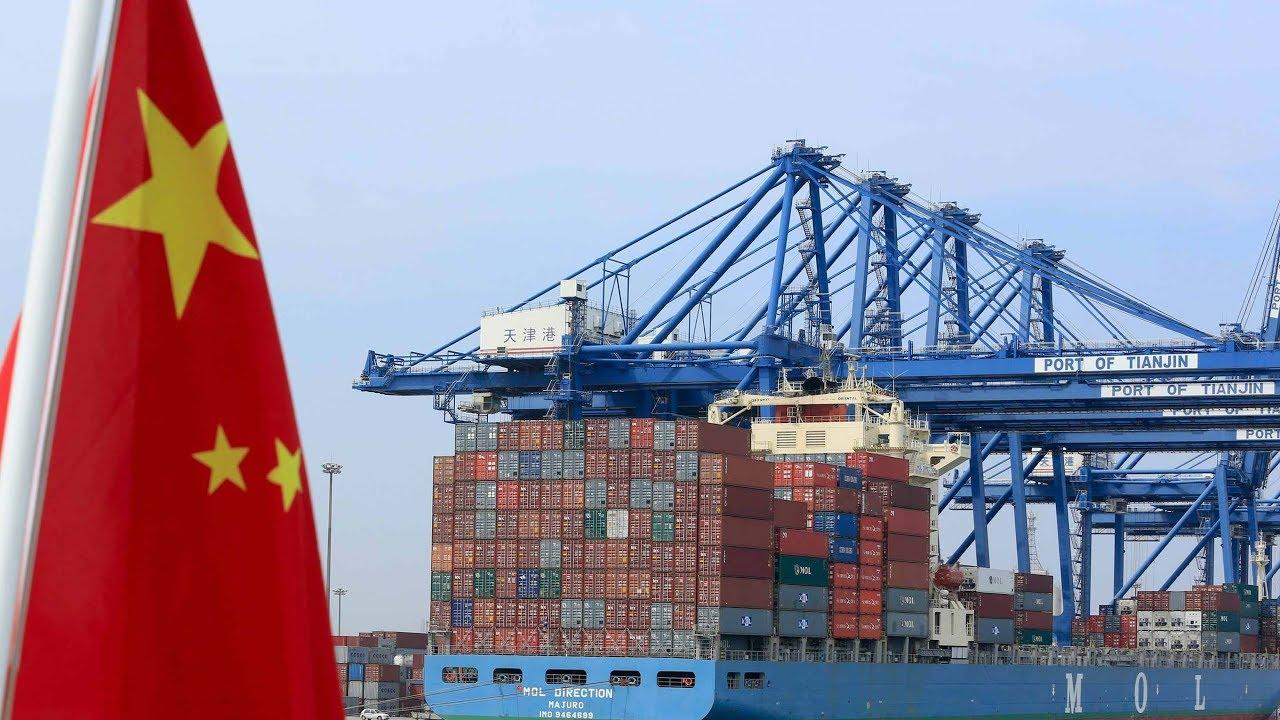
As the U.S. presidential election draws near, Chinese exporters are preparing for a potential shift in trade policies, particularly if Donald Trump returns to the White House. Mike Sagan, vice-president of supply chains at KidKraft, a toy-making company, plans to halve his China-based supply chain within a year if Trump wins, in response to the potential imposition of 60% tariffs on Chinese goods. This significant increase in tariffs is seen as a game-changer for many companies reliant on Chinese manufacturing.

Trump’s initial tariffs in 2018, which ranged from 7.5% to 25%, already prompted some firms, including KidKraft, to move production to countries like Vietnam and India. However, a new round of tariffs could further disrupt supply chains, leading to higher production costs and prices for U.S. consumers. Sagan notes that moving production outside of China is costly and comes with concerns over quality control, but the need to diversify supply chains is becoming urgent.

The sentiment is echoed by many other Chinese exporters. Of the 27 Chinese companies Reuters interviewed, 12 plan to accelerate relocation if Trump is re-elected, while others are considering opening overseas factories. Higher tariffs are expected to negatively impact Chinese exporters by shrinking profits, disrupting supply chains, and exacerbating the country’s ongoing economic challenges.

Matt Cole, co-founder of m.a.d Furniture Design, also expresses concern about the potential tariff increases. Though he hasn’t yet moved his production out of China, he is contemplating relocating to Southeast Asia if Trump wins. Cole’s hesitation stems from the fact that even after moving, many components would still need to be sourced from China, making the shift less cost-effective.

Picture background

Tariff Impact and Global Supply Chains

The 2018 tariffs, though beneficial for Southeast Asia as an assembly hub, did not significantly damage China’s overall economic growth or global manufacturing dominance. In fact, China has grown its share of global manufacturing as it redirected resources into factory production. However, the looming threat of 60% tariffs could have a more profound impact, especially on exporters operating with thin margins.

For instance, Zeng Zhaoliang, head of Guangzhou Liangsheng, which exports 30-40% of its cookers to the U.S., says a 60% tariff would be devastating. Many companies, like GL Wholesale, which has already lost 40% of its business since Trump’s presidency, are scouting alternative suppliers in countries like India and Vietnam. But even these regions are raising their prices, further complicating the situation.

The potential tariffs would not only hurt Chinese industries such as electric vehicles, solar panels, and batteries, but they also pose a risk to global supply chains. Trump’s aggressive stance on trade has caused Chinese companies to rethink their production strategies, with some opting to build factories overseas in anticipation of further global trade challenges.

China’s Response and Economic Outlook

Should Trump implement a new wave of tariffs, economists predict it could reduce Chinese economic growth by 0.4-0.7 percentage points in 2025 due to decreased investment and output cuts. In response, Beijing could deploy stimulus measures, export controls, or currency devaluation, but these steps carry their own risks, including debt accumulation and potential capital flight.

Most Chinese exporters hope Trump would moderate his stance on trade if he wins the presidency again. However, they acknowledge that further tariffs could severely impact their ability to operate. For instance, Yang Qiong, an executive at Chongqing Hybest Tools Group, states that her company would expand its facilities in Vietnam if Trump returns to office.

Experts warn that a second Trump term could disrupt China’s near-term economic growth and further challenge the global economic order that has benefited China. In contrast, Kamala Harris’s approach, while still expected to confront China on trade issues, is perceived as potentially less aggressive, allowing for a more measured response.

Conclusion

As the U.S. election nears, Chinese exporters are bracing for a potentially turbulent trade environment. While Trump’s return to power could lead to higher tariffs and significant supply chain shifts, a Harris presidency may offer a more tempered approach. Regardless, the prospect of further trade conflict underscores the need for companies to diversify their supply chains and adapt to an increasingly volatile global economic landscape.